Ever found yourself squinting through a thick blanket of fog, barely making out the taillights of the car ahead? I have. It was on a winding mountain road last autumn, and my standard headlights were just reflecting the mist back into my eyes, creating a blinding white wall. That's when I truly understood the value of proper fog lights. They're not just an extra set of lights for your car; they're a critical safety feature that can mean the difference between a safe journey and a hazardous one. In this guide, we'll cut through the confusion and shed light on everything you need to know about fog lights.
Jump to What Matters
- What Are Fog Lights and Why Are They Crucial?
- Halogen vs. LED vs. HID: Choosing the Right Fog Lights
- How to Use Fog Lights Correctly (Most People Get This Wrong)
- Fog Light Installation: DIY or Professional Help?
- Maintenance and Troubleshooting: Keep Your Lights Clear
- Frequently Asked Questions About Fog Lights
What Are Fog Lights and Why Are They Crucial?
Fog lights are specialized automotive lights designed to improve visibility in poor weather conditions like fog, heavy rain, snow, or dust. Unlike your main headlights, which are aimed higher to illuminate the road ahead, fog lights are mounted lower on the vehicle's bumper or grille. They emit a wide, bar-shaped beam that is typically angled downward, cutting through the fog and lighting up the road surface immediately in front of your car without reflecting back into your eyes.
Think of it this way: in dense fog, your high beams are useless—they just bounce off the water particles and blind you. Low beams are better, but they still have some upward scatter. Fog lights, with their low placement and focused beam, provide a clear path. According to the National Highway Traffic Safety Administration (NHTSA), proper lighting is essential for safe driving in adverse conditions, and fog lights play a key role in that.
I learned this the hard way. Before upgrading my car, I relied on stock lights and often felt anxious driving in misty conditions. After installing dedicated fog lights, the difference was night and day—literally. I could see the road markings clearly, and my confidence improved.
Halogen vs. LED vs. HID: Choosing the Right Fog Lights
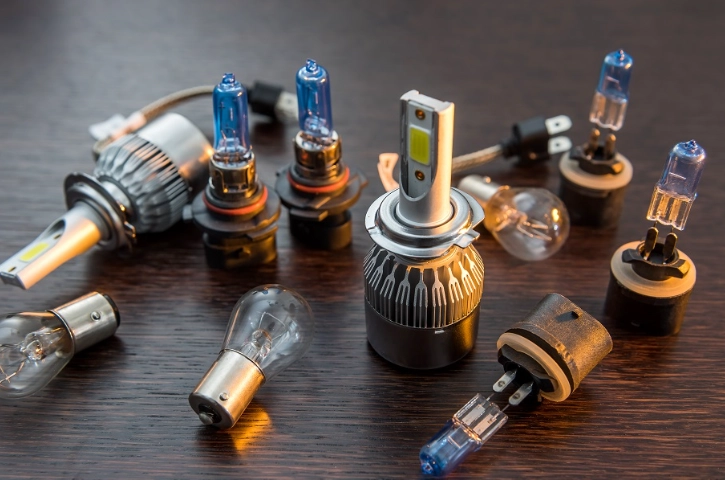
Not all fog lights are created equal. The market offers three main types: halogen, LED, and HID (High-Intensity Discharge). Each has its pros and cons, and your choice depends on your needs, budget, and vehicle compatibility.
Here's a quick comparison to help you decide:
| Type | Pros | Cons | Best For |
|---|---|---|---|
| Halogen | Inexpensive, easy to replace, widely available | Less energy-efficient, shorter lifespan, yellowish light | Budget-conscious drivers, older vehicles |
| LED | Energy-efficient, long lifespan, bright white light, instant on | Higher upfront cost, may require heat sinks | Most drivers, modern vehicles, eco-conscious users |
| HID | Extremely bright, good color temperature | Expensive, can take time to reach full brightness, complex installation | Enthusiasts, off-road driving, maximum visibility |
From my experience, LED fog lights are the sweet spot for most people. They last longer, use less power, and provide excellent visibility. I've had a set of LED fog lights on my SUV for three years now, and they're still going strong, even through harsh winters. Halogen lights, while cheap, tend to burn out faster—I replaced mine every year before switching.
A common mistake is choosing lights based on brightness alone. Some aftermarket HID kits can be too bright and illegal if not properly aimed. Always check local regulations, like those from the Department of Transportation (DOT), to ensure compliance.
Top Fog Light Brands to Consider
Based on user reviews and durability tests, here are a few brands that consistently perform well:
- Philips – Known for reliability and innovation in automotive lighting.
- HELLA – Offers a wide range of fog lights with a focus on safety.
- KC HiLiTES – Popular for off-road and heavy-duty applications.
- Auxbeam – Provides affordable LED options with good performance.
I've tried Auxbeam LEDs on a friend's truck, and while they were bright, the build quality felt a bit flimsy compared to my Philips set. It's worth investing in a reputable brand to avoid frequent replacements.
How to Use Fog Lights Correctly (Most People Get This Wrong)
Using fog lights isn't as simple as flipping a switch. Many drivers misuse them, which can reduce their effectiveness or even create hazards for others. Let's break down the right way to use fog lights.
When to Turn Them On
Turn on your fog lights when visibility drops below 100 meters (about 300 feet) due to fog, rain, snow, or dust. A good rule of thumb: if you're struggling to see the road ahead clearly, it's time to switch them on. However, avoid using fog lights in clear conditions—they can dazzle oncoming drivers and are often illegal when not needed.
I see this all the time on highways: drivers with fog lights blazing on a sunny day. It's unnecessary and annoying. Save them for when they're actually useful.
How to Aim Fog Lights
Proper aiming is crucial. Fog lights should be aimed slightly downward and outward to illuminate the road edges without blinding others. If you've installed them yourself, park your car on level ground about 7.5 meters (25 feet) from a wall and adjust the beams so the top of the beam pattern is below the height of the lights. Most mechanics can do this quickly during a service.
Misaimed fog lights are a common issue. On my old car, the lights were angled too high, and I got flashed by other drivers constantly. A quick adjustment fixed it.
Fog Light Installation: DIY or Professional Help?
Installing fog lights can range from a simple plug-and-play task to a complex wiring job, depending on your vehicle and the type of lights. Here's what you need to know.
DIY Installation Steps
If your car has pre-wired fog light connections, installation might be straightforward. Generally, you'll need to:
- Disconnect the car battery to prevent electrical shorts.
- Remove the bumper or access panels to reach the fog light housing.
- Mount the fog lights securely using the provided brackets.
- Connect the wiring to the vehicle's electrical system, often via a relay and switch.
- Test the lights and adjust the aim as needed.
For newer vehicles with complex electronics, I'd recommend professional installation. I attempted a DIY on my modern sedan and ended up triggering an error code on the dashboard. A mechanic had to reset it, costing me extra time and money.
Cost of Professional Installation
Professional installation typically costs between $100 and $300, depending on labor rates and vehicle complexity. It's worth it for the peace of mind, especially if you're not comfortable with wiring.
Maintenance and Troubleshooting: Keep Your Lights Clear
Fog lights require minimal maintenance, but neglecting them can lead to reduced performance. Here are some tips to keep them in top shape.
Cleaning Fog Lights
Dirt, grime, and oxidation can cloud fog light lenses over time, reducing light output. Clean them regularly with a soft cloth and automotive glass cleaner. For plastic lenses, use a restoration kit to remove yellowing. I clean mine every month during car washes—it takes just a minute but makes a big difference.
Common Problems and Solutions
- Fog light not turning on – Check the bulb, fuse, and wiring connections. Bulbs burn out eventually; replace them with compatible types.
- Condensation inside the housing – This can happen if the seal is broken. Dry the housing and reseal it with silicone, or replace the entire unit if damaged.
- Flickering lights – Often caused by loose wiring or a failing relay. Tighten connections or replace the relay.
One winter, my fog lights started flickering due to corrosion in the connectors. A bit of electrical contact cleaner solved the issue. Regular checks can prevent such problems.
Frequently Asked Questions About Fog Lights
Fog lights are more than just an accessory—they're a vital tool for safe driving in challenging conditions. By choosing the right type, using them correctly, and maintaining them well, you can enhance your visibility and reduce risks on the road. Remember, it's not about having the brightest lights, but about using them wisely. Stay safe out there!