Quick Navigation
- What Does 35% Tint Actually Mean? (The VLT Number Game)
- The Night Driving Test: Is 35% Tint a Problem After Dark?
- The Legal Maze: Is 35% Tint Even Allowed?
- Safety vs. Style: The Uncomfortable Trade-off
- Practical Tips If You Choose 35% Tint
- Answering Your Burning Questions (FAQs)
- My Final Take: A Measured Recommendation
So you're thinking about getting your windows tinted. You've probably seen cars with that sleek, slightly mysterious look and thought, "Yeah, I want that." And then you land on 35% tint. It's a popular middle ground—not too light, not too dark. But then the big question hits you, especially if you do a lot of evening driving: Is 35% tint too dark at night?
Let's cut to the chase. The answer isn't a simple yes or no. It's a solid "it depends." It depends on your eyesight, your car's lighting, where you drive, and honestly, what you're used to. I've had 35% tint on a couple of my cars over the years, and my experience might surprise you. Sometimes it was fine, other times I found myself leaning forward at a poorly lit intersection, squinting a bit. It's that kind of real-world nuance we need to talk about.
The Core Question: When someone asks "Is 35% tint too dark at night?", they're usually asking three things wrapped into one: 1) Can I see well enough to drive safely? 2) Will I get pulled over for it? and 3) Is the trade-off in style worth any potential hassle? We're going to unpack all of that.
What Does 35% Tint Actually Mean? (The VLT Number Game)
First, let's clear up the biggest point of confusion. The percentage in window tint refers to Visible Light Transmission (VLT). A 35% tint film allows 35% of the visible light from the outside to pass through your window and into the car. So, it blocks 65% of the light. The lower the percentage, the darker the tint. Factory glass usually has a slight tint already, often around 70-80% VLT. Adding a 35% film on top of that gives you a final combined VLT that's even lower—sometimes dipping into the high 20s. That's crucial to remember.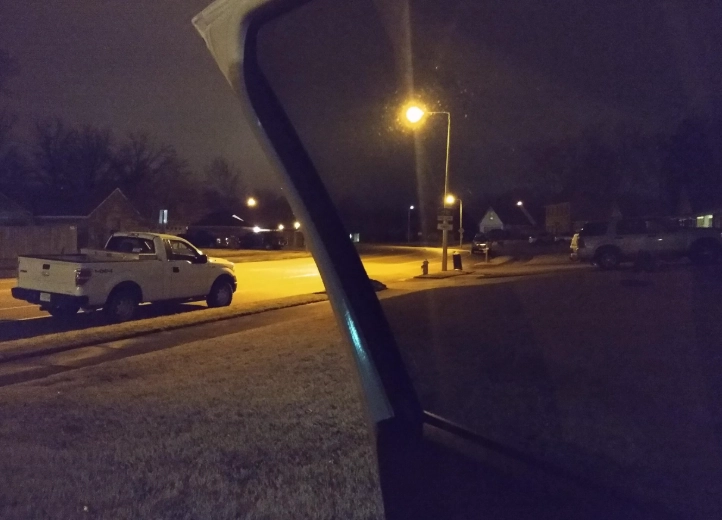
Now, here's where perception gets tricky. A 35% tint looks different on the side windows versus the windshield (which you should never tint below the AS-1 line, by the way—more on laws later). It looks different on a bright sunny day versus a moonless night in the countryside. And it feels dramatically different to a 20-year-old with perfect vision versus someone like me, who now needs reading glasses.
The Night Driving Test: Is 35% Tint a Problem After Dark?
This is the heart of the matter. Based on my own experience and talking to installers and other drivers, here's the breakdown of how 35% tint performs when the sun goes down.
In well-lit urban and suburban areas—places with streetlights, lit signage, and plenty of headlights from other cars—35% tint is usually manageable for most people. Your world inside the cabin is certainly darker, but the external light sources are often bright enough to compensate. You can see other vehicles, pedestrians on sidewalks, and the general flow of traffic without major strain.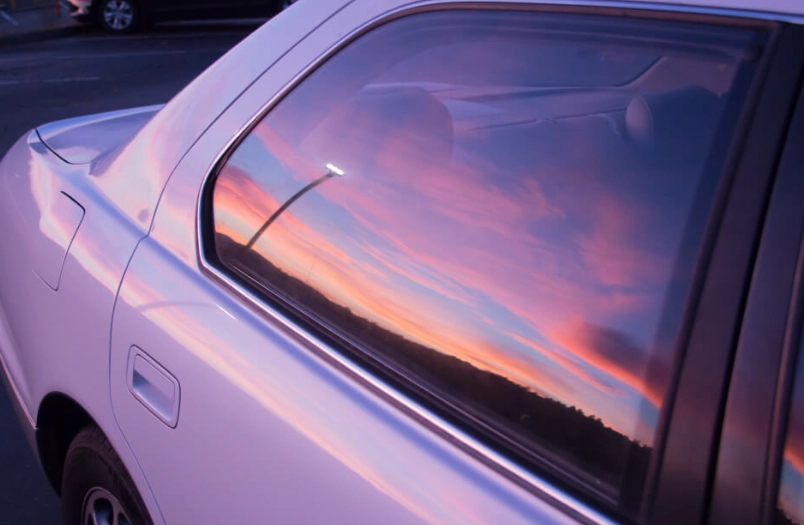
I remember driving my old sedan with 35% tint through the city at night. It felt cozy, reduced glare from oncoming headlights was a blessing, and I never felt unsafe. The problems started when I visited family in a rural area.
The challenge comes in low-light conditions. Think about:
- Unlit rural roads
- Dark parking lots without overhead lights
- Looking out your side windows to check for cyclists or pedestrians wearing dark clothing
- Making a left turn across traffic where you need to see the edges of the road clearly
- Backing up using just your side mirrors (if your rear window is also tinted at 35%)
In these scenarios, that 65% light blockage becomes very apparent. Your pupils dilate to let in more light, but the tint is physically limiting what gets through the glass. Details get lost in shadows. This is where the question "is 35% tint too dark at night" becomes most relevant. For some drivers, it pushes the boundary of comfort. You might find yourself relying more heavily on your car's headlights (make sure they're clean and bright!) and driving more cautiously.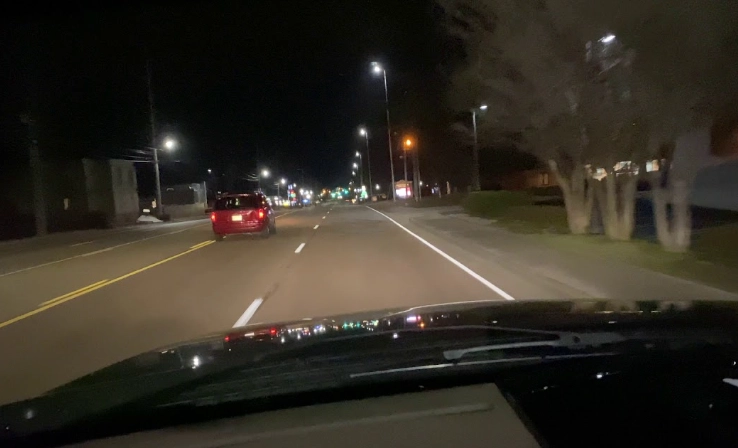
A Critical Safety Point: The National Highway Traffic Safety Administration (NHTSA) doesn't regulate side and rear window tint darkness for visibility reasons on passenger vehicles, but they emphasize the importance of driver vision. Compromising your ability to see vulnerable road users like pedestrians and cyclists, especially at night, is a serious risk. It's a personal responsibility calculation.
Comparing Tint Levels at Night
To understand where 35% sits, it helps to see it in context. This isn't about ranking, but about setting expectations.
| Tint VLT (%) | Night Driving Experience (General) | Best For... | Potential Night Issue |
|---|---|---|---|
| 50% | Very minimal impact. Feels close to clear glass for most drivers. | Drivers primarily concerned with UV/heat rejection who prioritize maximum night visibility. | Almost none, except in the absolute darkest conditions. |
| 35% | Noticeably darker cabin. Requires adjustment. Can be challenging in very low-light areas. | Those wanting a balanced look with moderate privacy, who mostly drive in well-lit areas. | Seeing details in deep shadows, unlit intersections, rural roads. |
| 20% | Significantly reduced visibility. Requires excellent headlights and heightened caution at night. | Maximum privacy and style, where night driving is minimal or secondary. | Major reduction in peripheral vision detail. Seeing pedestrians is difficult. |
| 5% (Limo) | Extremely dangerous for night driving. Effectively requires rolling down windows to see. | Rear windows only (and even then, it's risky), not recommended for driver/passenger windows. | Severely illegal for front windows in all states and a major safety hazard at night. |
Looking at that, you can see 35% is on the cusp. It's the darkest common tint before you really dive into the territory where night driving with tint becomes a primary concern rather than a minor adjustment.
The Legal Maze: Is 35% Tint Even Allowed?
Ah, the law. This is where many online discussions fall short. They'll say "check your local laws," which is correct but not helpful. Let's get specific, because legality is a huge part of the "is it too dark" question. If it's illegal where you live, then yes, it's too dark in the eyes of the law, regardless of your personal comfort.
In the United States, window tint laws are set by individual states. There is no federal standard for side and rear window darkness on passenger vehicles (though there are rules for windshields and multipurpose vehicles). The legal VLT limit for front side windows (driver and passenger) is often 35% in many states. But—and this is a massive but—that number usually refers to the final combined VLT after the film is applied to the factory glass.
Since factory glass already blocks some light, applying a 35% film typically results in a final VLT in the 25-30% range. This can technically put you below the legal limit in a state that mandates a strict 35% minimum. Law enforcement uses meters to measure this.
Pro Tip from Installers: To reliably be legal in a "35% state," you often need to install a film labeled as 50% VLT. The 50% film on top of ~80% factory glass gets you close to that true 35% final result. If you install a film labeled 35%, you risk measuring in the 20s and getting a ticket.
Some states are stricter. California, for example, allows 70% VLT on front side windows, making any aftermarket tint darker than a very light shade illegal. New York is also notoriously strict. Other states, like Florida and Arizona, are more permissive due to the intense sun.
You must, and I cannot stress this enough, consult your specific state's laws. A great resource for starting your research is the Specialty Equipment Market Association (SEMA) Action Network legislation page. They track automotive modification laws, including window tint. For the most authoritative information, always visit your state's official Department of Motor Vehicles (DMV) or State Police website. Don't rely on forum posts from 2012.
A ticket for illegal tint isn't just a fine; it's often a "fix-it" ticket, meaning you have to remove the tint and prove it's removed, which wastes the money you spent installing it.
Safety vs. Style: The Uncomfortable Trade-off
Let's be honest. A big reason for choosing 35% over, say, 50% is aesthetics. It gives the car a more uniform, aggressive, and private look. The heat rejection and UV protection are benefits too, but the look is a major driver. I get it. I've made the same choice.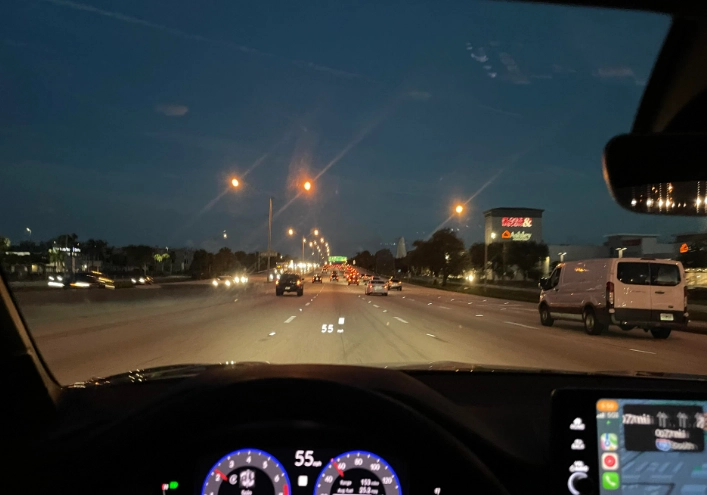
But we have to balance that against safety. The Insurance Institute for Highway Safety (IIHS) focuses on crashworthiness, but clear vision is a fundamental part of crash avoidance. Reducing your night vision capability increases your reaction time. It's physics and biology.
Ask yourself these questions honestly:
- How much of my driving is done at night? (Commute home in winter? Frequent evening trips?)
- What is the quality of lighting on my most common routes?
- Do I have any pre-existing vision conditions, even minor ones like slight astigmatism or slower night adaptation?
- How old am I? (Our eyes' light-gathering ability diminishes noticeably after 40.)
- Do I often drive in areas with pedestrians, cyclists, or wildlife?
If your answers skew toward "a lot of night driving in poor light," then you might be answering your own question. Is 35% tint too dark at night for *you*? Possibly yes.
Practical Tips If You Choose 35% Tint
Okay, let's say you've weighed it all up and you're going for 35%. Here's how to mitigate the night visibility issues and stay safer. This is the stuff I wish someone had told me.
Upgrade Your Headlights: This is non-negotiable. If your headlights are old, cloudy, or just weak halogen bulbs, you are handicapping yourself. Clean your headlight lenses. Consider professional restoration if they're yellowed. If your car allows, upgrading to brighter, whiter halogen bulbs or legal LED/HID replacements can make a world of difference in illuminating the road ahead.
Keep All Glass Spotlessly Clean: A dirty windshield on the outside combined with a dusty dashboard reflecting on the inside is bad enough. Add a 35% tint to your side windows, and a light film of grime turns into a vision-blurring mess at night. Clean your windows, inside and out, regularly.
Adjust Your Driving Habits: Drive slower on unlit roads. Allow more following distance. Be hyper-aware at intersections. Make full stops and take an extra second to look. Use your peripheral vision consciously, knowing your side window view is dimmer.
Consider a Gradient or Lighter Tint on the Windshield Banner: If you get a tint strip at the top of your windshield (the AS-1 line area), go for a lighter shade like 50% or a gradient film. A dark strip right in your sightline can obscure traffic lights and overhead signs at night.
Test Before You Commit: Some tint shops have sample boards you can hold up to your car window at night. Do it. Even better, find a friend with a 35% tint and ask for a ride or to sit in their parked car on a dark night. Get a real feel for it.
Answering Your Burning Questions (FAQs)
Let's tackle the specific questions that pop up around this topic. These are the things people are really searching for.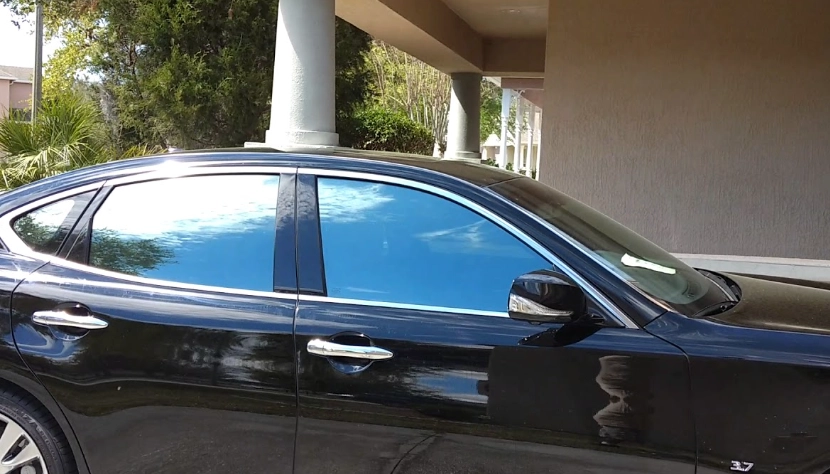
Can you see clearly at night with 35% tint?
You can see, but "clearly" is subjective. In areas with good ambient light, yes, you likely can. In total darkness, only what your headlights can illuminate will be clear through the tint. Peripheral details through the side windows will be murky. It's a reduction in clarity and contrast.
Do police care about 35% tint?
It depends entirely on your locale and the officer. In a state where the limit is 35%, and your 35% film measures illegal due to factory glass, yes, they can and sometimes do care. It's an easy probable cause for a stop. In more lenient states, they might not bat an eye. But if you're driving erratically at night (perhaps because you're struggling to see?), the dark tint will be an added mark against you.
Is 35% or 20% better for night driving?
This one's easy. 35% is unequivocally better for night driving than 20%. 20% lets in only half as much light as 35% (20% VLT vs. 35% VLT). The jump from 35% to 20% is where night driving often transitions from "requiring caution" to "genuinely difficult." If night visibility is any concern at all, 35% is the wiser choice between these two.
How does 35% compare to 50% tint at night?
This is the real comparison for most practical buyers. The difference is noticeable. 50% tint has a very minor effect on night vision for most people. It feels almost standard. 35% tint introduces a definite, noticeable darkening of the cabin and your view of the outside world at night. Going from 50% to 35% is choosing significantly more style and privacy at the cost of some night vision capability. For city drivers, it's often a fair trade. For rural drivers, it might not be.
Does cleaning tint affect visibility at night?
Absolutely. Using ammonia-based cleaners (like many common glass cleaners) can degrade and haze the tint film over time, causing it to look cloudy or purple. This cloudiness scatters light, making night vision worse. Always use tint-safe, ammonia-free cleaners and a soft microfiber cloth.
My Final Take: A Measured Recommendation
Look, I'm not a safety zealot, but I've been around cars long enough to have seen close calls. After all this, where do I land on is 35% tint too dark at night?
For the average driver who does a moderate amount of driving in reasonably lit areas, 35% tint is at the upper limit of what I'd consider acceptable. It's the darkest I would personally go on a daily driver now, knowing what I know. The style benefit is real, and in daytime or well-lit nights, it's great.
But it comes with caveats and requires active risk management. You must be honest about your driving conditions and your own vision. You must prioritize excellent headlights and clean glass. And you absolutely must verify the legality in your state, understanding the difference between film VLT and final VLT.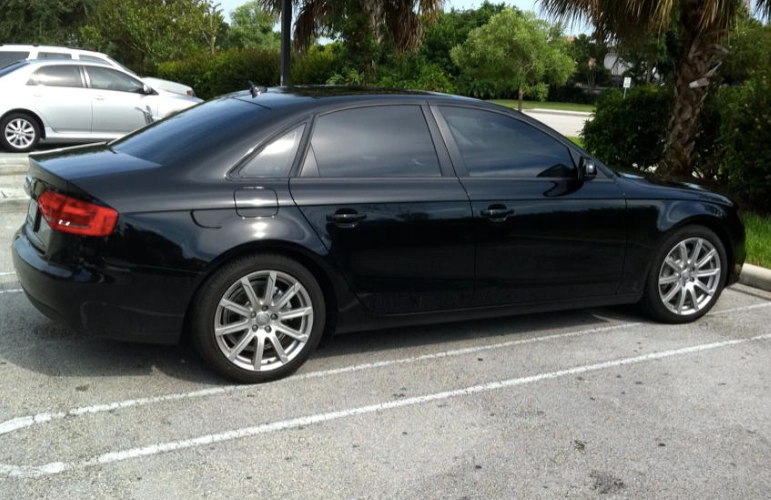
On my current car, I went with 50% on the front sides and 35% on the rears. It was a compromise. The car still looks good, the heat rejection is nearly as effective, and I have zero anxiety driving anywhere at night. For me, that peace of mind was worth sacrificing the slightly darker look of 35% all around.
So, is 35% tint too dark at night? It can be. It often is in specific low-light situations. It pushes right against the boundary of comfort and legality for many. Your job is to figure out which side of that boundary your life sits on. Don't just think about how the car will look in your driveway at noon. Think about that rainy Tuesday night in November when you're tired and need to see a child chasing a ball into the street. Make your choice for that moment.
Do your research, be smart, and drive safe.