What’s Inside
Let's be honest. For most of us, thinking about our windshield wipers is like thinking about the air in our tires. We just assume they'll work until they don't. Then one rainy Tuesday on the highway, your world turns into a blurry, streaky mess, and you're leaning forward, squinting, trying to see the taillights of the car in front of you. It's not just annoying; it's downright dangerous.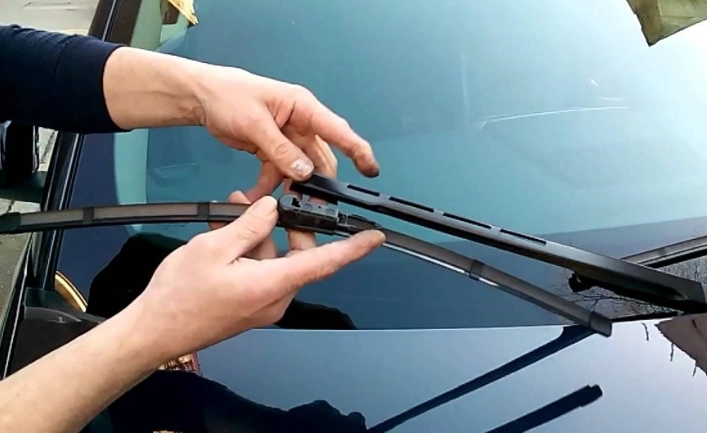
I learned that lesson the hard way. I drove with a chattering, skipping driver's side blade for weeks, telling myself I'd get to it. Then came a sudden downpour during evening rush hour. The smear across my line of sight was so bad I had to pull over under a bridge and wait it out. Not my finest moment. That's when a proper wiper blades replacement went from a "someday" task to a "right now" priority.
And you know what? It was embarrassingly easy. The whole job took me about ten minutes, cost less than a tank of gas, and the difference was night and day. The satisfying, silent sweep of a clean, new blade is something every driver should experience. This guide is everything I wish I'd known before that rainy night. We're going to walk through why it matters, how to pick the right ones, the foolproof steps to install them, and answer every question you might have. No jargon, no upselling, just clear info to get you seeing clearly again.
Why Bother? The Real Cost of Worn-Out Wipers
It's easy to dismiss wipers as a minor accessory. But your ability to see the road, pedestrians, and potential hazards directly depends on them. The National Highway Traffic Safety Administration (NHTSA) consistently highlights poor visibility as a major contributing factor in weather-related crashes. Think about that for a second. A $30 pair of blades could be a key part of avoiding an accident.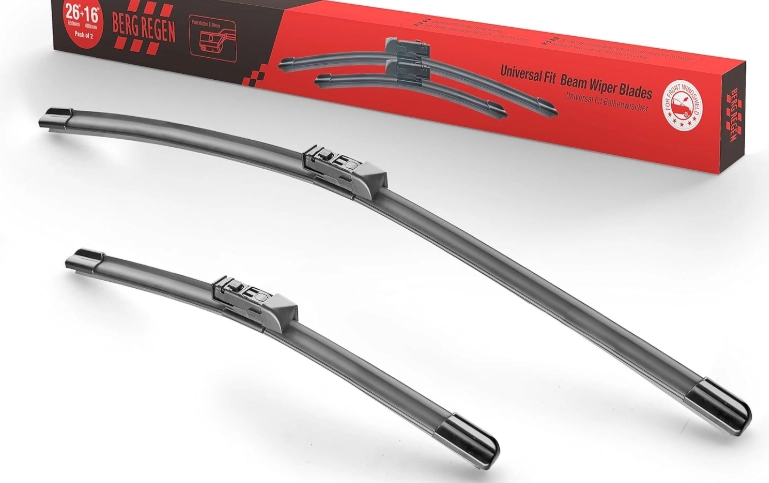
Worn blades don't fail all at once. They die a slow death, and we adapt to their decline without even realizing it. Here’s what you're risking:
- Streaking: Those pesky lines left behind trap light, causing glare from oncoming headlights and streetlights at night. It's incredibly distracting.
- Chattering/Skipping: That horrible jumping sound isn't just annoying. It means the rubber isn't flexing properly against the glass, leaving entire sections unwiped.
- Reduced Reaction Time: A smeared windshield adds precious milliseconds to your reaction time. At 60 mph, you're traveling 88 feet per second. Every fraction of a second counts.
- Windshield Damage: A blade frame worn down to metal or with hardened rubber can actually scratch your windshield. Now you're not just replacing blades, you're looking at a costly windshield repair or replacement.
The American Automobile Association (AAA) recommends inspecting your wiper blades every six months and replacing them at least once a year, or sooner if you notice any problems. For the cost and time involved, it's one of the highest-return maintenance items on your car.
A quick test: Next time your windshield is dirty (not sandy or gritty!), run the washer fluid. Do the wipers clear the water in one or two passes, leaving a clear, uniform sheet? Or do they leave behind beads, streaks, or hazy patches? If it's the latter, your wiper blades replacement is overdue.
Navigating the Aisle: Choosing Your New Wiper Blades
Walk into any auto parts store, and you'll be faced with a wall of options. It's overwhelming. Beam blade, hybrid, conventional, winter, silicone, different connectors... what does it all mean? Let's break it down so you can buy with confidence.
First, you need to know your car's sizes. This is non-negotiable. The driver and passenger side are almost always different lengths. You can find this info in your owner's manual, or use the handy size finder tools on retailer websites (just input your car's make, model, and year). You can also measure your old blades with a tape measure. Most common sizes range from 16 to 28 inches.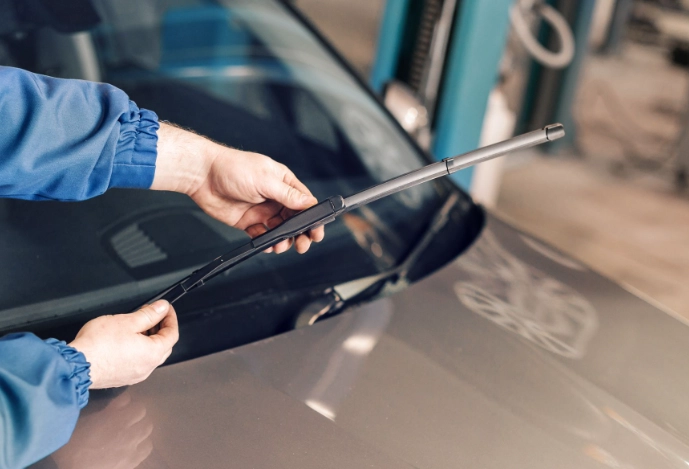
Now, for the types. This table should help you cut through the marketing speak.
| Type | What It Is | Best For | My Take |
|---|---|---|---|
| Conventional (Frame/Bracket) | The old-school design with a metal frame holding the rubber blade. Multiple pressure points. | Older vehicles, budget-conscious buyers. Often the direct OEM (Original Equipment Manufacturer) replacement. | They work, but they can ice up in winter and sometimes don't conform to modern, curvy windshields as well. A solid basic choice if your car originally had them. |
| Beam Blade (Flat Blade) | A single, sleek piece of spring steel without an external frame. Applies even pressure across the entire blade. | Almost all modern cars. Excellent in snow and ice (less to clog), often quieter, and generally better performance. | This is what most people should buy. They look better, perform better in most conditions, and are what your car likely came with if it's less than 10-15 years old. |
| Hybrid | A mix! It has a slim external frame (like conventional) but a more aerodynamic cover (like a beam blade). A good middle ground. | Drivers who want some of the benefits of beam blades but have a vehicle designed for frame-style blades. | A clever solution. They can be easier to install on some older attachment systems. Performance is usually a step above conventional. |
| Winter/Snow Blades | Heavily reinforced, often with a rubber boot covering the frame to prevent ice and snow buildup. | Anyone living in areas with harsh winters, heavy snow, and ice. | If you get real winter, these are worth it. That boot makes a huge difference. Just remember to switch back to your standard blades in spring, as the boot can wear faster in warm weather. |
What about rubber vs. silicone? Most standard blades use natural rubber. It works well but degrades faster from ozone and UV exposure. Silicone blades cost more upfront but often last much, much longer because they resist environmental damage better. I tried a set once, and they easily lasted over two years with still-decent performance. For a long-term play, they're interesting.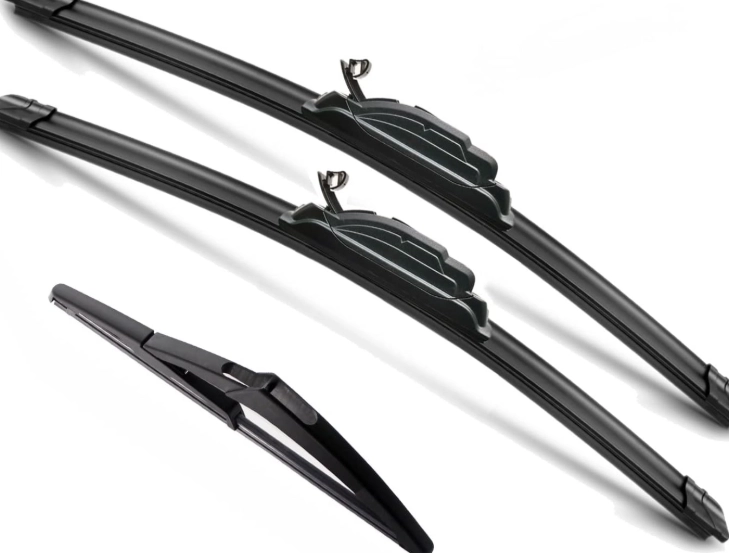
Pro Tip: Don't just buy the absolute cheapest pair. The few dollars you save often translates to rubber that hardens in 6 months. A mid-range beam blade from a reputable brand (think Bosch, Rain-X, Michelin, Valeo) is almost always the sweet spot for price and performance.
And here's a personal gripe: those "special" blades with a dozen pre-applied coatings that promise to make your windshield magically hydrophobic forever. In my experience, that coating wears off the blade contact edge in a few weeks, and you're left with a standard blade you paid a premium for. You're better off applying a dedicated rain repellent (like Rain-X) to the windshield itself separately from your wiper blades replacement.
The Foolproof Installation: Your Step-by-Step Guide
This is where people get nervous. They see the different connectors and think it's rocket science. I promise, it's not. With one small caveat: always, always consult the instructions that come in the box. While the principles are the same, each brand's adapter can click into place slightly differently. The package instructions will have the exact pictures for your model.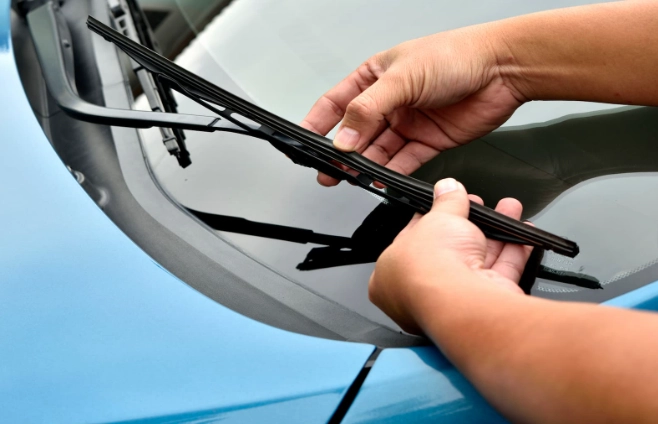
Here’s the universal process. Plan to do this when the windshield is cool, not hot from the sun.
Step 1: Safety and Prep
Park your car, turn it off, and engage the parking brake. If your wipers are tucked down at the bottom of the windshield, you might need to put your car in the "accessory" mode and give the wiper stalk a quick tap to move them to the "service position" (straight up on the glass). This gives you clear access to the arm. If you can't do that, no worries, just be gentle.
Put a folded towel or an old sweatshirt on the windshield where the wiper arm might spring back and hit the glass. This is a cheap insurance policy against a cracked windshield.
Step 2: Removing the Old Blade
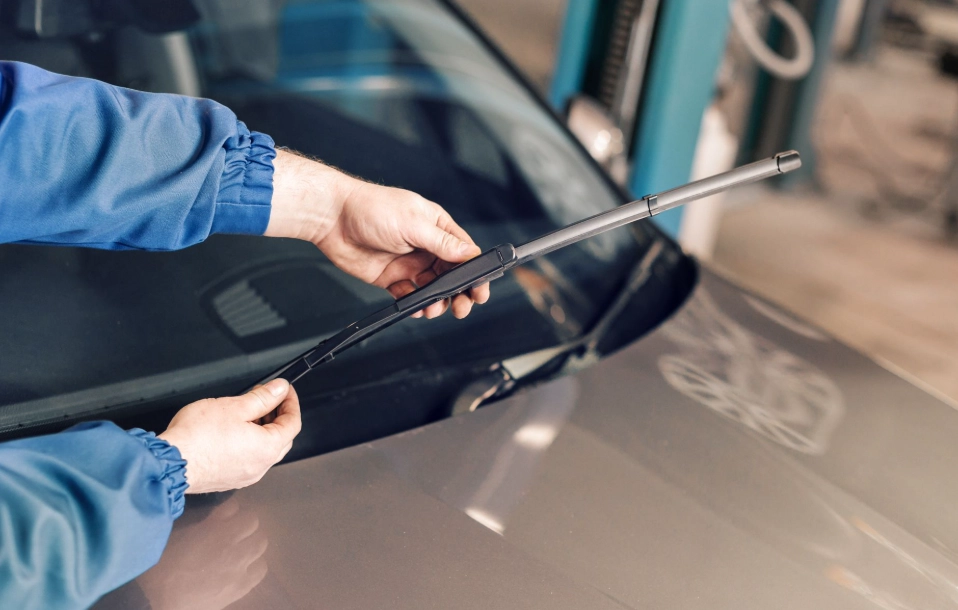
Lift the wiper arm away from the windshield until it locks in a raised position. You'll feel resistance, then it will stay up. Now look at the connection point where the blade meets the metal arm. There's a small tab or release button. 90% of modern cars use a "J-hook" or similar design.
Press that tab (sometimes you have to squeeze sides together) and, while holding it, slide the blade assembly down the arm, away from the hook. It should come off with a bit of wiggling. If it's stubborn, double-check for a secondary release. Don't force it. The old blade is now in your hand.
Critical Moment: Once the blade is off, gently lower the bare metal wiper arm back down onto the towel-covered glass. Do NOT let the arm snap back against the windshield uncontrolled. The spring is strong and the metal tip can cause serious damage.
Step 3: Attaching the New Blade
Take your new blade out of the package. Often, it comes with multiple adapters clipped to the packaging. Find the one that matches the connector on your car's wiper arm (the instructions are key here). It usually just snaps into the new blade's bridge.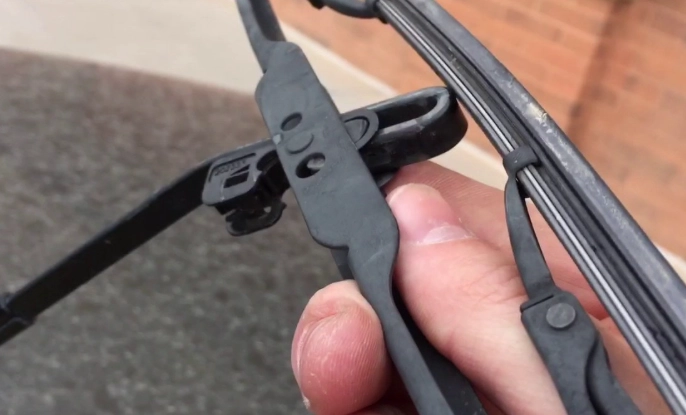
Now, reverse the removal process. Lift the wiper arm back up. Take the new blade, line up the adapter with the hook on the arm, and slide it upwards onto the hook until you hear a definitive, satisfying CLICK. Give it a firm tug to make sure it's secure. It shouldn't move.
Step 4: The Final Check
Gently lower the wiper arm (with the new blade attached) back onto the windshield. Repeat for the other side. Before you call it done, turn your car to "on" (but don't start the engine), and run the wipers on a dry windshield for a cycle or two. This is just to check the installation and see if they sit flat. If they chatter or skip on dry glass, that's normal—they need water. The real test is with washer fluid.
See? The actual hands-on part of a wiper blades replacement takes about 3 minutes per side once you know what you're doing. The first time might take you 15 minutes total. You've got this.
Your Wiper Blades Replacement Questions, Answered
How often should I really replace them?
The once-a-year rule is a good baseline, but it depends. If you live in Arizona with blistering sun that bakes the rubber, or up north with extreme temperature swings and road salt, you might need to do it every 6-9 months. Listen to your wipers and your eyes. Streaks = time.
Can I just replace the rubber refills?
Sometimes. Some conventional frame blades allow you to slide out the old rubber strip and slide in a new one. It's cheaper. But it's often a fiddly, frustrating job that saves you maybe five bucks. For beam blades, it's almost never an option. Given the wear on the entire blade assembly (frames get weak, springs lose tension), I usually recommend a full wiper blades replacement. You're getting a whole new system.
Why are my new wipers still streaking or chattering?
This drives people crazy. You did the wiper blades replacement and it's still not perfect! Don't blame the new blades just yet. The culprit is almost always your windshield. Over time, invisible residues from road film, bug splatter, tree sap, and even the oils from your car's own exhaust build up on the glass. The rubber needs a perfectly clean surface to glide on.
The fix? A thorough windshield decontamination.
Use a dedicated automotive glass cleaner (not Windex, which can leave residues some say interfere with rain repellents), a clean microfiber towel, and really scrub. For stubborn grime, use a clay bar designed for glass or a paste of baking soda and water. Rinse thoroughly. This single step solves more "bad new wiper" problems than anything else.
What's the deal with rear wiper blades replacement?
It's the same principle, just smaller and usually simpler. Most rear wipers are one piece that pops off a single post. Consult your manual for the specific size and removal method. Don't forget about it! A dirty rear window limits your backup visibility.
Beyond the Blades: Caring for the Whole System
Replacing the blades is the main event, but a few supporting acts keep the whole show running smoothly.
Washer Fluid: Don't just use water. Use a proper washer fluid with antifreeze properties in winter and bug-removing solvents in summer. Top it up regularly. Running dry and trying to run the pump can burn it out.
Washer Nozzles: If your spray pattern is weak or misaimed, you can often adjust the nozzles with a pin or a specialized tool. Check your manual. Sometimes they just get clogged with wax or dirt.
The Wiper Arms Themselves: Rarely, the spring in the wiper arm can weaken, not applying enough pressure to hold the blade against the glass. If you've replaced the blades and cleaned the windshield and still have poor contact, this might be the issue. That's a slightly more advanced fix, but it's usually just a matter of replacing the arm.
Wrapping It Up: Clear Vision for the Road Ahead
So, there you have it. A wiper blades replacement isn't a mysterious mechanic's secret. It's a simple, vital piece of preventative maintenance that you can absolutely handle yourself. The payoff is huge: safer driving, less stress in bad weather, and the satisfaction of fixing something tangible on your car.
Grab your car's info, figure out your sizes, and pick up a decent set of beam blades. Block out fifteen minutes on a nice day. Follow the steps, listen for that click, and give your windshield a good clean. The first time you hit the washer button and get a perfect, clear sweep without a sound, you'll wonder why you waited so long.
Your future self, driving safely in the next rainstorm, will thank you.