重点摘要
So you're thinking about giving your car, computer, or maybe even your home theater a bit more oomph. The first question that pops into your head is almost always: how much does a performance upgrade cost? Let's be real, you're not alone. I was in the same boat last year with my aging gaming PC. I kept searching for a straight answer and found a million forum posts with guesses, old prices, and people arguing. It was frustrating.
Here's the thing anyone who's actually done this will tell you: there is no single number. Asking how much a performance upgrade costs is like asking how much a house costs. Are we talking a studio apartment or a mansion? A fresh coat of paint or a full foundation rebuild? The final price tag swings wildly based on what you're upgrading, your goals, and frankly, how deep your pockets are.
But that's not helpful, is it? You came here for answers, not philosophy. So, let's ditch the vague talk. I'm going to break down the real-world costs for the most common upgrades, show you where the hidden fees lurk, and give you a framework to figure out your own number. We'll look at cars, computers, and audio/video setups. By the end, you'll have a crystal-clear picture of what to budget, not just for the parts, but for the whole process.
Why There's No One-Size-Fits-All Price Tag
Before we get into dollars and cents, we need to understand the variables. Ignoring these is how people end up with a half-finished project in their garage or a computer that won't boot.
First, the "What." A performance upgrade for a Honda Civic is a different universe from one for a Tesla Model 3. Upgrading your laptop's RAM is child's play compared to building a custom water-cooling loop for a desktop. The object itself defines the playing field.
Then, the "How Much Faster." Are you looking for a slight edge, a noticeable bump, or a full-blown transformation? This is your goal. A 10% increase in horsepower might be cheap. Doubling it will cost you exponentially more. This goal directly dictates the complexity and, therefore, the cost of the upgrade.
Next, the "Who Does the Work." This is the biggest swing factor. Your own labor is free (in money, not time). A specialist shop's labor is not. I learned this the hard way trying to install a performance chip myself and nearly bricking my car's ECU. Sometimes, paying for expertise is the real performance upgrade.
Finally, the "Hidden Stuff." This is the budget killer. That new, faster CPU? It might need a new motherboard. That turbocharger? You'll probably need a better intercooler and fuel system to support it. Upgrades have friends, and they all want to come to the party.
Breaking Down the Cost: Cars, Computers, and More
Let's get into the nitty-gritty. I've organized this by category, with real price ranges based on current market research, forum digging, and my own painful experiences. Remember, these are estimates for parts and common labor. Your local shop rates may vary.
Car & Vehicle Performance Upgrades
This is where the question "how much does a performance upgrade cost?" has the widest possible answers. We can split it into tiers.
The Budget-Conscious Tinkerer (Under $1,000)
You're not looking to race, just to sharpen the daily driver. The gains here are modest but satisfying.
- Cold Air Intake: One of the most popular first mods. Claims are often overstated, but you might get a few horsepower and a better engine sound. Parts: $200 - $500. DIY install in an afternoon.
- Performance Exhaust System (Cat-back): Reduces backpressure, can add a small amount of power, and definitely changes the soundtrack. Parts: $500 - $1,500+. Professional installation adds $150 - $400.
- Engine Tune/ECU Remap: This software tweak can optimize air/fuel ratios and ignition timing. For many modern turbo cars, this is the best bang-for-buck. A basic handheld tuner or a remote tune from a reputable company like Cobb or Burger Motorsports can run $500 - $1,000. Warning: This can sometimes void parts of your powertrain warranty. Check your manufacturer's policy.
The Serious Enthusiast ($1,000 - $5,000)
Now we're talking about meaningful changes you can feel in the seat of your pants.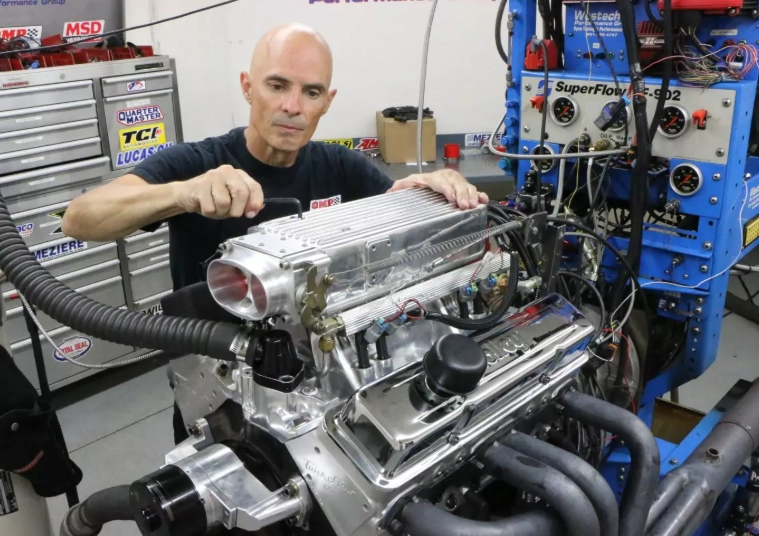
- Forced Induction (Turbo/Supercharger Kit): This is a major project. A quality turbo kit for a common platform (like a Ford Mustang EcoBoost or Subaru WRX) starts around $3,000 for parts alone. But remember the "hidden stuff"? You'll likely need fuel pump upgrades, injectors, and a professional tune. Total installed cost with supporting mods and tune can easily hit $5,000 - $8,000.
- Suspension Overhaul: Not just about lowering. A good set of coilovers, sway bars, and performance bushings transforms handling. Parts: $1,500 - $3,500. Installation is labor-intensive, adding another $800 - $1,500.
- Brake Upgrade: Bigger rotors, performance calipers, and high-temp pads. Essential if you've added power or plan to track the car. A quality big brake kit (BBK) starts at $2,000 and goes way up. Installation is extra.
The All-Out Build ($5,000 and Up... Way Up)
At this point, you're building a new car around the original shell. Engine swaps, built internals, sequential gearboxes. We're talking $15,000 to $50,000+. The question of "how much does a performance upgrade cost?" becomes "what is the budget for my new race car?"
For reliable, standardized information on how vehicle modifications can affect official metrics like emissions and fuel economy (which can be legal considerations), it's worth checking resources like the U.S. Environmental Protection Agency's page on Green Vehicles. It won't give you horsepower numbers, but it provides a regulatory baseline.
Computer & PC Performance Upgrades
This world is more modular and often more DIY-friendly. The costs can be easier to pin down, but compatibility is the hidden monster.
| Component | Typical Upgrade Goal | Estimated Part Cost Range | Notes & Hidden Costs |
|---|---|---|---|
| RAM (Memory) | Multitasking, gaming, professional apps | $50 - $200 (for 16-32GB kit) | Must match motherboard's generation (DDR4/DDR5) and speed. Check compatibility lists. |
| Storage (SSD) | Faster boot/load times | $80 - $250 (for 1-2TB NVMe) | Ensure your motherboard has an M.2 slot for NVMe drives. Cloning old drive may need software. |
| Graphics Card (GPU) | Gaming, video editing, 3D rendering | $300 - $1,600+ | The big one. Check physical size fits your case and that your Power Supply Unit (PSU) has enough wattage and the right cables. A weak PSU can kill a new GPU. |
| Central Processor (CPU) | Overall system speed, core-heavy tasks | $150 - $600+ | Often requires a new motherboard (another $100 - $300) and possibly new RAM. This is essentially a new computer. |
| Power Supply (PSU) | Support higher-end components | $100 - $250 | Not glamorous, but critical. Don't cheap out. A bad PSU can fry everything. |
| CPU Cooler | Better temps, quieter operation, overclocking | $40 - $200 | Check clearance in your case. High-end air coolers and liquid AIOs are tall. |
My own last upgrade started as a "simple GPU swap." My old card died. The new one was more powerful. It required a new PSU. Then I realized my CPU was now the bottleneck. That meant a new CPU, motherboard, and RAM because the old stuff was obsolete. My $400 GPU upgrade turned into a $1,200 system rebuild. It happens to everyone.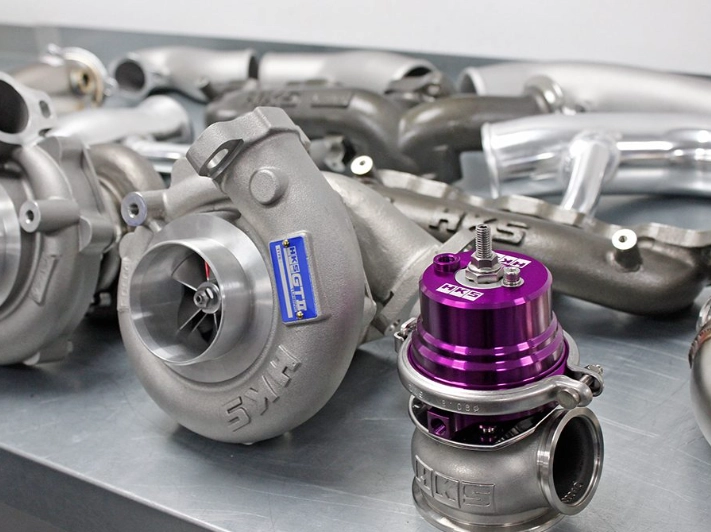
For planning a PC build or upgrade and checking part compatibility automatically, tools like PC Part Picker are invaluable. They aggregate prices and flag most compatibility issues, saving you from costly mismatches.
Home Theater & Audio Performance Upgrades
This is about sensory experience. The costs here are about diminishing returns. The jump from TV speakers to a $500 soundbar is massive. The jump from a $500 soundbar to a $5,000 dedicated system is more subtle but can be transformative for an enthusiast.
- Soundbar Upgrade: Moving from TV speakers to a basic 2.1 or 3.1 channel soundbar: $200 - $600. A high-end Dolby Atmos soundbar: $800 - $1,800.
- AV Receiver & Speaker System: This is the real deal. A decent 5.1 channel AV receiver: $400 - $800. A matching set of bookshelf speakers, center channel, and subwoofer: $600 - $2,000. Then add wiring, speaker stands, and calibration. Total easily $1,500 - $3,000+.
- Display Upgrade (TV/Projector): Moving to a larger 4K/8K OLED or QLED TV: $1,000 - $3,000+. A good 4K projector and screen setup: $2,500 - $10,000+.
The hidden cost here is often room treatment. A $10,000 system in a bare, echoey room will sound worse than a $2,000 system in a well-treated room. Acoustic panels, rugs, and furniture placement matter more than people think.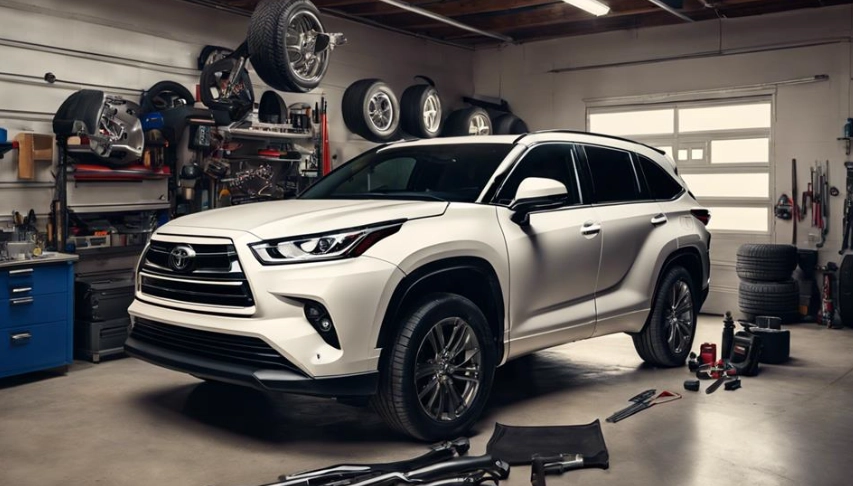
The Costs They Don't Tell You About
This is the section that saved me from a few financial heartaches. When you're calculating how much a performance upgrade costs, you must add these lines to your budget.
1. Your Time. Research, shopping, installation, troubleshooting. A PC build can take a weekend. A complex car mod might have your vehicle on jack stands for a month of weekends. Your time has value.
2. Tools and Equipment. You might need a torque wrench, a specialty socket, a soldering iron, or anti-static gear. Buying tools for a one-time job adds up. Renting is an option.
3. The "While You're In There" Tax. This is the most dangerous one. You're replacing the water pump on your car. The belt looks old. The tensioner has play. The idler pulley is noisy. "Might as well replace them all while it's apart." This can add 20-50% to your planned parts cost instantly. It's usually the right call for reliability, but it hurts the wallet.
4. Downtime. If your daily driver or primary computer is out of commission, what's the cost? Renting a car, using a slow laptop, or just the frustration factor.
5. Increased Operating Costs. A more powerful car uses more fuel (usually). A high-end PC uses more electricity. A giant TV uses more electricity. It's marginal, but it's there.
6. The Risk of Breaking Something Else. It happens. A stripped bolt, a cracked hose, a bent CPU pin during installation. Have a contingency fund.
I once budgeted $800 for a suspension refresh. The "while you're in there" tax for control arm bushings, tie rod ends, and an alignment pushed it over $1,300. The car drove like new, but my bank account felt the hit.
How to Get an Accurate Quote for YOUR Upgrade
Okay, you've read the ranges. Now, how do you get a real number for your specific situation? Here's a step-by-step plan.
Step 1: Define Your "Win." Be brutally honest. "I want my games to run at 60 FPS on high settings at 1440p" is a perfect goal. "I want my car to be faster" is not. A clear goal lets you research the exact component or modification needed.
Step 2: Research the Specific Solution. For a PC, find the exact GPU model that hits your FPS target. For a car, find the specific tune or part number for your exact make, model, and engine year. Forums and professional reviews are gold here.
Step 3: Price the Core Part(s). Use multiple retailers. Check for sales. Don't forget tax and shipping.
Step 4: Investigate the "Friends." This is the critical step most people skip. For that GPU: What PSU wattage does the manufacturer recommend? Do I have the right PCIe cables? For that car tune: Does it require premium fuel (a recurring cost)? Will it work with my stock intake, or do I need a new one?
Step 5: Get Labor Quotes. If you're not DIY-ing, call shops. Describe the job precisely. "I need a Stage 1 ECU flash for a 2019 VW GTI" is better than "I want my car tuned." Get at least three quotes. Ask if the quote includes all supporting work and diagnostics.
Step 6: Add the Contingency. Take your total from Steps 3-5 and add 15-20%. This is your realistic budget. If you come in under, great. If you hit it, you planned well.
For understanding your rights regarding warranties and aftermarket parts—a huge concern when asking "how much does a performance upgrade cost?"—the Federal Trade Commission's guide on auto warranties is an essential read. It clarifies the Magnuson-Moss Warranty Act, which protects you from having your entire warranty voided simply for using an aftermarket part.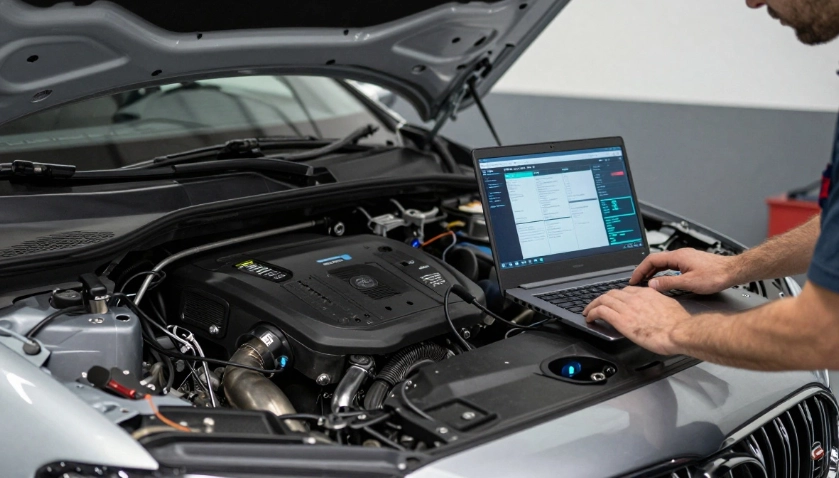
Your Performance Upgrade Cost Questions, Answered
Let's tackle some of the specific questions that pop up when you're knee-deep in research.
- Car: A quality ECU tune: ~$600 - $900.
- PC: Adding a 1TB NVMe SSD and 16GB of RAM: ~$150 - $300.
- Home Theater: A good mid-range soundbar: ~$400 - $700.
There. But remember, that's just the start.
So, what's the final answer to "how much does a performance upgrade cost?"
It's the number that gets you from where you are to where you want to be, without cutting corners that will cost you more later. It's the price of the part, plus its friends, plus the expertise to put it together right, plus a buffer for life's surprises.
Don't start with a random budget and see what it buys. Start with a specific, achievable goal. Research the exact path to get there. Price out every step, including the boring ones like gaskets, thermal paste, or premium fuel. Then, and only then, will you know your true cost. That number might scare you off, and that's okay—it's better than being halfway through a project with empty pockets. Or, it might seem perfectly reasonable for the thrill, speed, or beauty you'll get in return.
That's the real math behind the upgrade.