Let's cut to the chase. The most common answer you'll hear—"every 30,000 miles"—is often wrong. It's a dangerous oversimplification. How often you should change your spark plugs depends on a mix of your car's specific engineering, the plug's material, and how you actually drive. Sticking to a generic mileage interval can cost you hundreds in wasted fuel or lead to a costly breakdown. I've seen it happen in my own garage. The right interval could be 30,000 miles for one car and 100,000 miles for another. This guide will show you how to find your car's true number.
What You'll Learn in This Guide
Your Owner's Manual Is the Only True Starting Point
I know, it's the boring answer. But it's the correct one. Car manufacturers spend millions testing their engines. The interval in your manual isn't a suggestion—it's the baseline for optimal performance and emissions compliance under assumed "normal" driving conditions.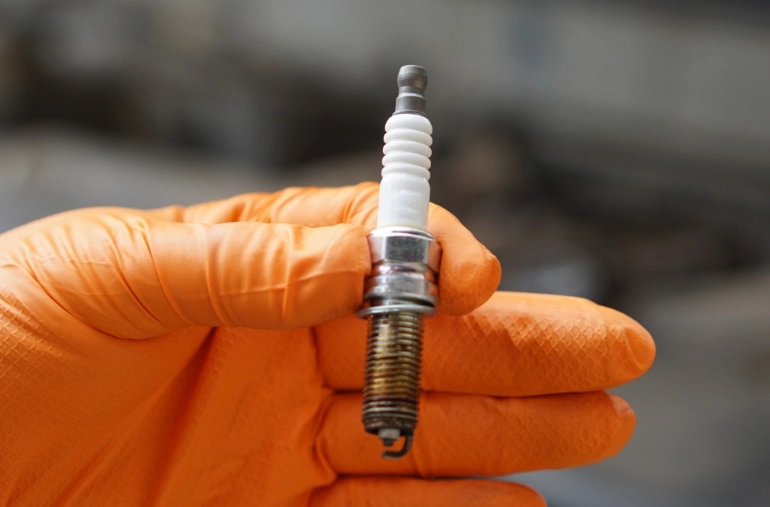
Here’s the catch most people miss: the definition of "normal." The manual's interval assumes a mix of highway and city driving without extreme stress. If your driving is mostly short trips (under 10 miles), frequent stop-and-go traffic, or you often tow heavy loads, your engine is under "severe service." In those cases, the consensus among experienced mechanics is to cut the recommended interval by 20-30%. A plug rated for 100,000 miles might only last 70,000 in your daily grind.
Let's get specific. Look up your car. A 2020 Toyota Camry with a 4-cylinder engine? The manual says 120,000 miles for its iridium plugs. A 2015 Ford F-150 with the 5.0L V8? That's 100,000 miles. A 2010 Honda Civic? Often 105,000 miles. See the pattern? Modern cars go far longer than the old 30k rule.
Why Spark Plug Material Is a Game Changer
The old rule existed for old plugs. Spark plug technology has evolved dramatically. The core electrode material determines how long it takes for the spark to erode the metal away, widening the gap and weakening the spark.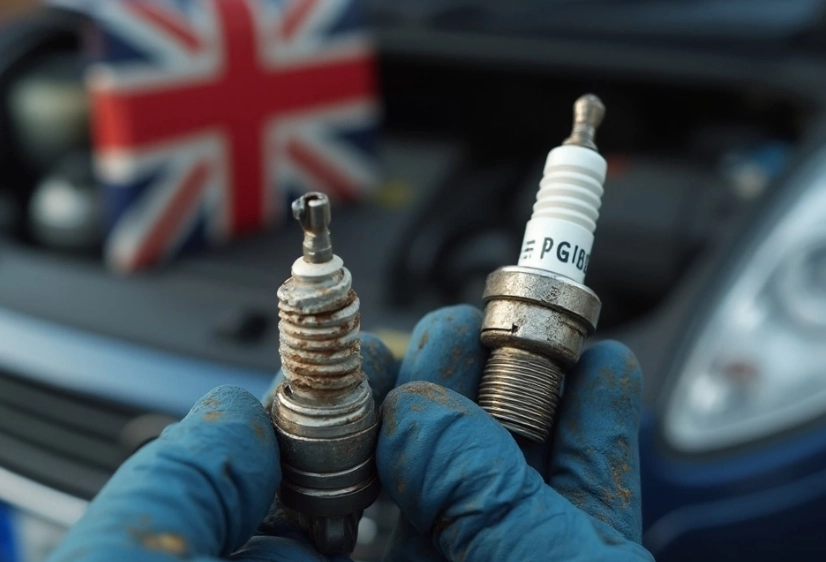
| Plug Material | Typical Service Interval | Cost (Approx. per plug) | Best For |
|---|---|---|---|
| Copper/Nickel | 20,000 - 30,000 miles | $2 - $6 | Older vehicles, performance applications (conducts spark best but wears fastest) |
| Single Platinum | 60,000 - 80,000 miles | $5 - $12 | Mid-2000s vehicles, a common OEM upgrade from copper |
| Double Platinum/Iridium | 80,000 - 100,000 miles | $8 - $18 | Most modern cars (Toyota, Honda, Ford, etc.) |
| Long-Life Iridium/Ruthenium | 100,000 - 120,000+ miles | $12 - $25 | Latest direct-injection and turbocharged engines |
Never assume you know the material. A 2012 car might have left the factory with long-life iridium plugs. The previous owner might have replaced them with cheap copper ones. You need to check. Pull one plug (we'll get to how) or look up the factory part number.
Here's my non-consensus view: upgrading to a finer material like iridium on an older car designed for copper isn't always a wise investment. The ignition system might not be optimized for it, and the performance gain for a daily driver is negligible. Stick with what the engine was designed for unless you're chasing specific tuning goals.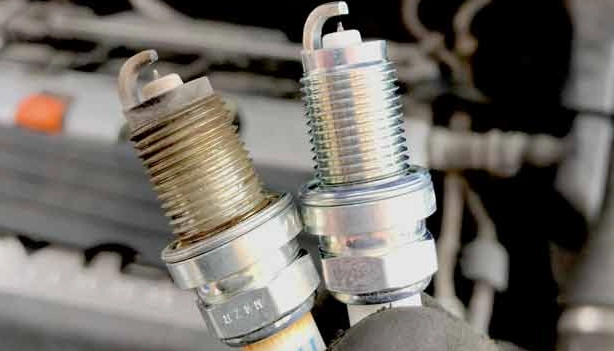
How to Tell If Your Spark Plugs Need Changing
Don't just wait for the mileage. Your car talks. Listen to it. These symptoms often appear before the official interval is up.
The Engine Feels Lazy. It's the first sign. The car hesitates when you press the gas, especially going uphill or merging. Acceleration isn't as smooth. It's not a dramatic jerk, just a dullness. People often blame "bad gas" first.
Fuel Economy Tanks. This is a silent killer. A weak or misfiring spark wastes fuel. If your MPG drops by 10-15% and your driving habits haven't changed, plugs are a prime suspect. I tracked a client's SUV that went from 22 MPG to 19 MPG. New plugs brought it back to 21.5. That's real money.
The Check Engine Light Flashes (Not Just On). A steady light could be many things. A flashing check engine light under acceleration is a red alert for a active misfire—often a dead spark plug or coil. Pull over when safe. Continued driving can destroy the catalytic converter.
Rough Idle and Cold Start Struggles. The engine feels shaky at a stoplight. It might stumble for a second when first started in the morning. These are classic weak-spark symptoms.
The Visual Inspection: What a Worn Plug Actually Looks Like
If you're moderately handy, pull one plug. You need a spark plug socket, a ratchet, and an extension. Do it on a cold engine. Disconnect the ignition coil or spark plug wire, remove the plug, and look.
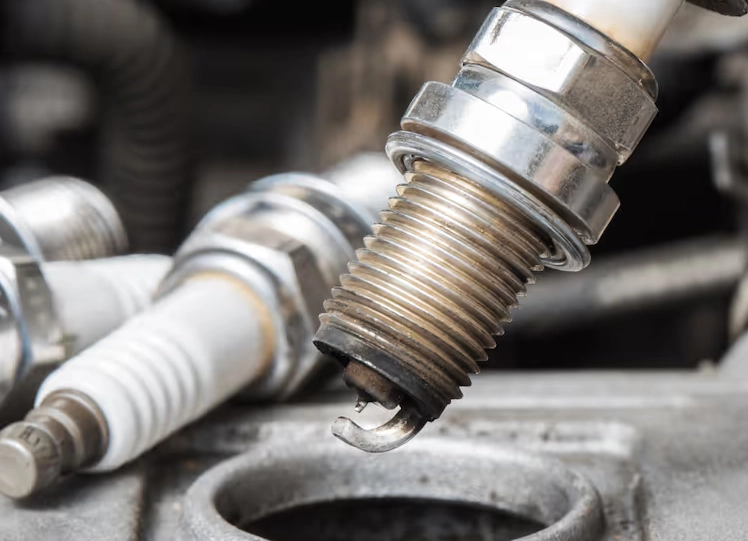
- Normal Wear: The electrode (the little metal tip) is slightly rounded. The porcelain insulator is light tan or gray.
- Worn Out: The electrode is visibly flattened and eroded. The gap (space between the center and side electrode) is much wider than a new plug. You can compare with a feeler gauge, but severe wear is often obvious.
- Oil Fouling: Plug is wet, black, and greasy. This indicates engine oil leaking into the cylinder (worn piston rings or valve seals)—a bigger problem than just plugs.
- Carbon Fouling: Dry, sooty black deposits. Often caused by rich fuel mixtures or lots of idling.
What Happens If You Wait Too Long?
Beyond poor performance, the financial domino effect is real.
First, the failing plug stresses its companion ignition coil. Coils work harder to jump the widened gap. This can lead to coil failure. Now you're buying a $50-$150 coil and the plug.
Persistent misfires, as mentioned, are the fastest way to kill a catalytic converter. That's a repair that can run from $1,000 to $2,500. Suddenly, a $100 spark plug job seems like fantastic insurance.
There's also increased engine wear. Incomplete combustion leads to carbon buildup on pistons and valves, which can reduce efficiency and power over the long term.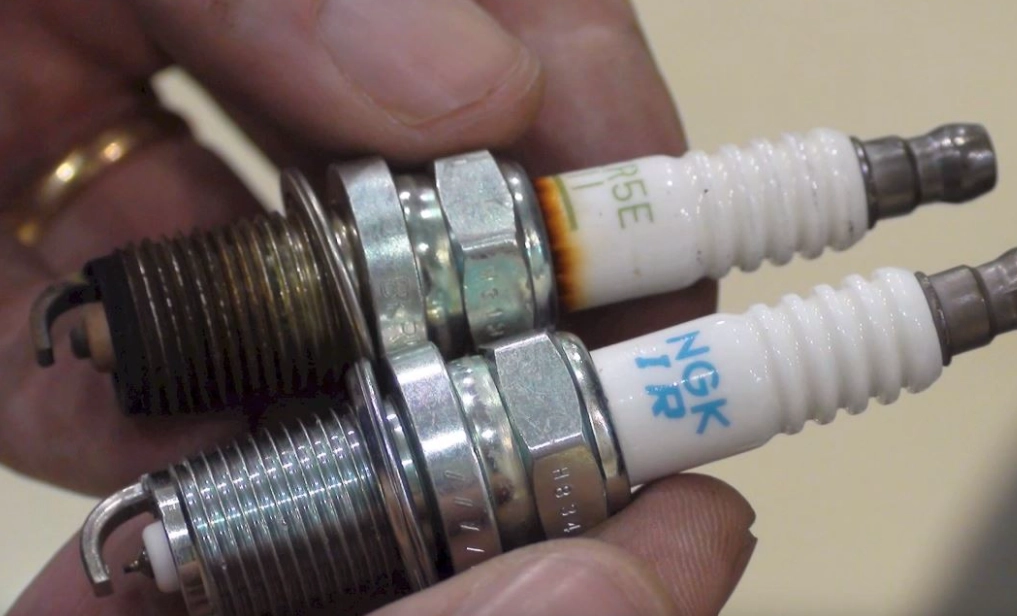
A Realistic Look at the Replacement Process
Labor costs vary wildly. A simple 4-cylinder engine with easy-to-reach plugs on top might take a mechanic 30 minutes. A transverse V6 where the rear bank is buried against the firewall can take 2+ hours. Call for an estimate.
DIY? It's one of the more accessible jobs. The critical steps everyone messes up:
Torque. Do not just crank them down. Overtightening can strip the aluminum cylinder head threads—a catastrophic repair. Undertightening can cause poor heat transfer and compression loss. Use a torque wrench. The spec is usually 15-25 ft-lbs, but check your manual.
Gapping. Most premium plugs come pre-gapped. Do not assume it's correct. Always check the gap with a feeler gauge and adjust it gently if needed. Dropping a plug can close the gap.
Anti-Seize Compound. Controversial topic. Many new plugs have special coatings. Applying anti-seize can actually lead to over-torquing. My rule: if the plug manufacturer says not to, don't. If the old ones were hell to remove, a tiny dab on the threads (not the electrode!) can help next time.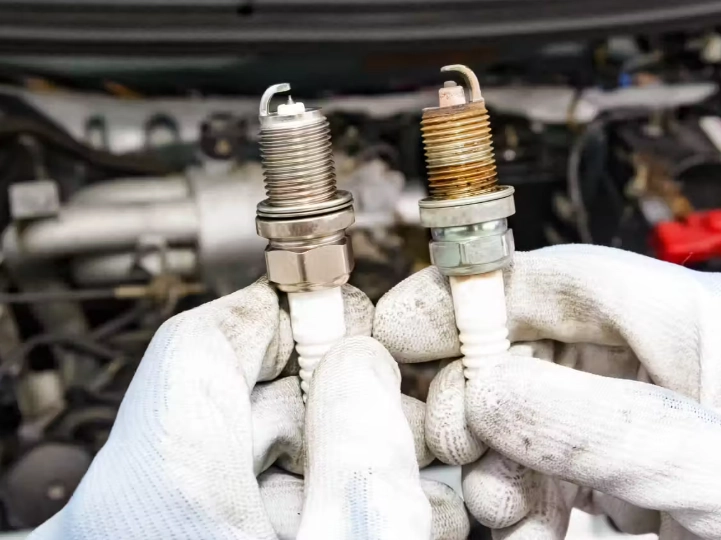
Your Spark Plug Questions, Answered
So, how often should spark plugs be changed? Start with your owner's manual. Adjust for your harsh driving conditions. Listen to your car's symptoms. And don't let a cheap, simple part become the reason for a four-figure repair. Check them, know their condition, and change them on time—your car's time, not a generic calendar.