Your air conditioner is humming away, the fan is blowing, but the air coming out feels more like a gentle breeze than an arctic blast. The temperature on the thermostat just won't budge. Sound familiar? You're not alone. An AC that runs but doesn't cool is one of the most common and frustrating summer headaches. Before you panic about a huge repair bill, know this: the cause is often simpler than you think. I've been fixing these things for over a decade, and I can tell you most homeowners jump to the worst conclusion first.
Let's cut to the chase. The problem almost always falls into one of seven categories. I'll walk you through each one, tell you exactly what to look for, what you can safely try yourself, and when you absolutely need to call in a pro. We'll skip the textbook fluff and get straight to the practical steps.
What's Inside: Your Quick Troubleshooting Map
- Cause 1: Low Refrigerant (The Most Feared, But Not Always the Culprit)
- Cause 2: A Clogged or Dirty Air Filter (The Silent Efficiency Killer)
- Cause 3: Frozen Evaporator Coils (A Symptom, Not the Disease)
- Cause 4: Dirty Condenser Coils (The Outdoor Neglect)
- Cause 5: Faulty Fans (Indoor Blower or Outdoor Condenser Fan)
- Cause 6: A Clogged Condensate Drain Line (The Overlooked Backup)
- Cause 7: Thermostat Issues (Is It Even Talking to Your AC?)
- When to Call a Professional HVAC Technician
- Expert Answers to Your Burning Questions
Cause 1: Low Refrigerant (The Most Feared, But Not Always the Culprit)
Everyone's mind goes here first. Refrigerant is the lifeblood of your AC, the chemical that absorbs heat from your indoor air. If there's not enough, the system can't cool effectively.
What you might notice: Weak airflow that's barely cool, ice forming on the large copper pipes (the suction line) at your indoor unit, or a hissing/bubbling sound which indicates a leak.
The expert nuance everyone misses: Refrigerant doesn't get "used up." If it's low, there's a leak. Period. Just topping it off is illegal (under EPA Section 608) and a waste of money—it will leak out again. The real fix is finding and sealing the leak, which requires specialized tools and certification.
Cause 2: A Clogged or Dirty Air Filter (The Silent Efficiency Killer)
This is the number one cause of poor cooling that I see in homes. It seems trivial, but the consequences are huge. A filter choked with dust, pet hair, and pollen restricts airflow across the indoor evaporator coil.
How a Dirty Filter Wrecks Your Cooling
Think of it like trying to breathe through a thick scarf. With restricted airflow, the evaporator coil gets too cold, eventually freezing solid (which leads to Cause #3). A frozen coil blocks airflow completely, and you get little to no cool air. Even before it freezes, the system has to work much harder, driving up your energy bill.
My rule of thumb: Check your filter every month during peak season. If it's a basic 1-inch filter, change it every 1-2 months. Thicker 4-inch media filters can last 6-12 months, but still need regular visual checks. Hold it up to a light—if you can't see light through it, it's time for a change.
Cause 3: Frozen Evaporator Coils (A Symptom, Not the Disease)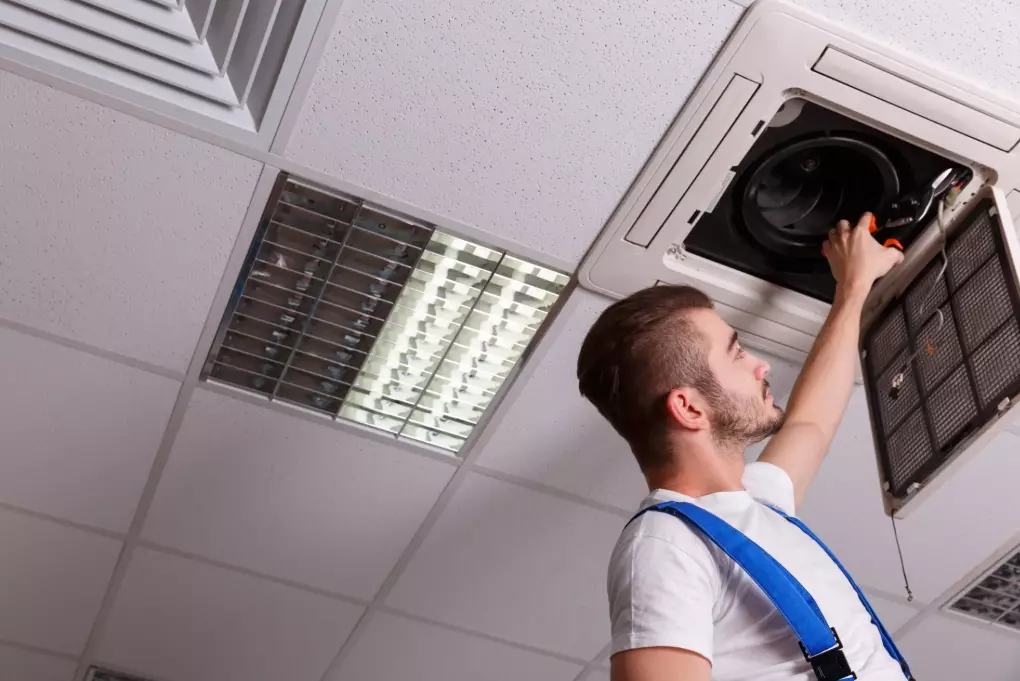
If you open your indoor air handler and see a block of ice on the coil (it looks like a car radiator made of copper/aluminum), you've found a symptom. The key is finding the cause.
Primary causes:
1. Dirty air filter (see above).
2. Low refrigerant (see Cause #1).
3. Dirty evaporator coils themselves, which also restrict airflow.
4. A failing blower fan that isn't moving enough air.
What to do if your coil is frozen:
1. Turn the AC off completely at the thermostat. Switch the fan to "ON" to help melt the ice with room-temperature air.
2. Check and replace the air filter immediately.
3. Once completely thawed (this can take hours), turn the AC back on. If it freezes again within a day, you have a deeper issue like a refrigerant leak or blower problem.
Cause 4: Dirty Condenser Coils (The Outdoor Neglect)
Your outdoor unit (the condenser) needs to reject the heat absorbed from your house. Its coils are like a car radiator—they need free airflow. When they're matted with leaves, grass clippings, cottonwood fluff, or general grime, they can't dissipate heat.
The result: High head pressure, the system struggles, cooling capacity plummets, and it may even trip on a safety switch and shut off.
A safe DIY clean: First, turn off power at the outdoor disconnect switch. Remove the outer protective grille (if possible). Using a garden hose on a gentle spray, rinse the coils from the inside out to push debris away. Never use a pressure washer, as it will bend the delicate fins. For a deeper clean, coil cleaner foam from a hardware store can help dissolve stubborn dirt.
Cause 5: Faulty Fans (Indoor Blower or Outdoor Condenser Fan)
Two fans are critical. The indoor blower circulates air across your home's ducts. The outdoor fan pulls air through the condenser coils.
| Fan | Failure Symptoms | Potential DIY Check |
|---|---|---|
| Indoor Blower Fan | Little to no airflow from vents. Unit may freeze up. Strange humming or screeching noises. | Listen at the indoor air handler. Is the fan running? Can you feel strong suction at the filter slot? If not, the motor, capacitor, or control board may be bad. |
| Outdoor Condenser Fan | Outdoor unit is on but the fan isn't spinning. Loud humming from outside unit. Unit overheats and shuts off. | With power OFF, check if the fan blade spins freely (obstruction?). The most common fix is replacing the run capacitor, a cylindrical component that gives the fan motor its starting jolt. This is a moderate DIY if you're comfortable with electrical safety. |
Cause 6: A Clogged Condensate Drain Line (The Overlooked Backup)
As your AC cools, it pulls moisture from the air. This water drips into a drain pan and flows out through a PVC pipe. That pipe can get clogged with algae, mold, and sludge.
Many modern units have a safety float switch that shuts the AC off if the drain pan starts to overflow to prevent water damage. So, a clogged drain can cause your AC to stop cooling entirely as a protective measure.
DIY Fix: Find the PVC drain line exiting your indoor unit (often near the outdoor condenser). The opening often has a T-shaped vent. You can try pouring a cup of distilled white vinegar or a commercial HVAC drain line cleaner down the pipe to kill algae. For a physical clog, a wet/dry vac suctioned over the pipe outlet outside can sometimes pull the gunk out. I've seen this simple fix restore cooling in minutes.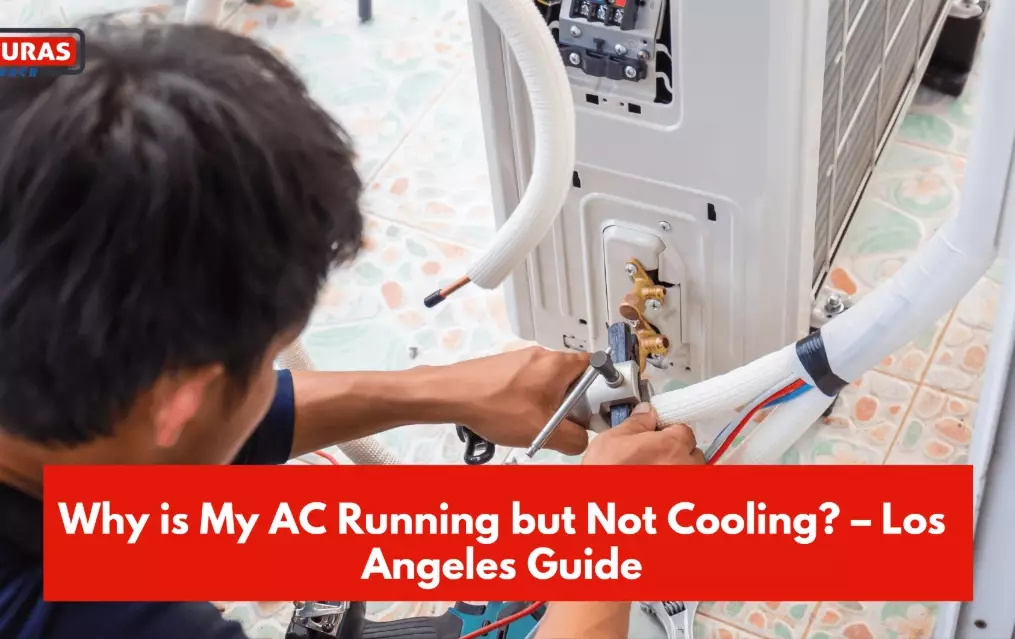
Cause 7: Thermostat Issues (Is It Even Talking to Your AC?)
Sometimes the command center is the problem. If your thermostat is set to "cool" but the outdoor unit never kicks on, the issue could be here.
Checks:
- Is it set to "COOL" and not "HEAT" or "FAN ONLY"?
- Is the temperature set lower than the current room temperature?
- For programmable models, has the schedule been changed accidentally?
- Are the batteries dead? (Many digital stats will blank out, but some older ones fail silently).
- For smart thermostats, is it properly connected to the C-wire (common wire) for consistent power?
Try turning the thermostat down 5 degrees below room temp. Listen for a click, then go outside to see if the condenser fan and compressor start within a minute or two. If nothing happens, the issue may be electrical or with the thermostat itself.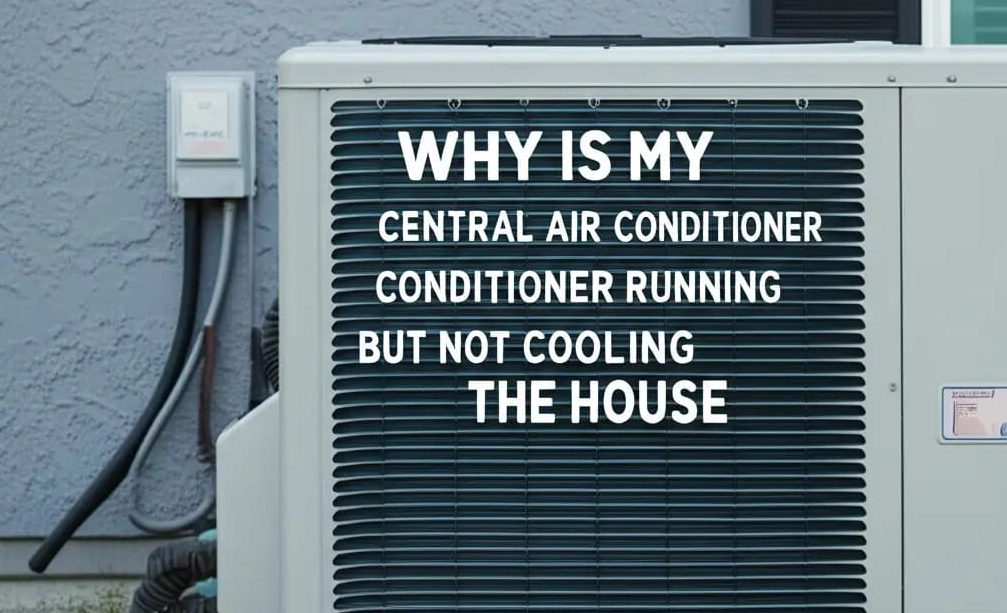
When to Call a Professional HVAC Technician
After running through the simple checks—filter, thermostat, circuit breakers, outdoor coil cleanliness—it's time to make the call. Specifically, call a pro if:
- You suspect a refrigerant leak (hissing, ice on big pipe, poor cooling).
- The evaporator coil is dirty on the inside (requires disassembly to clean).
- An electrical component like the compressor contactor or control board is faulty.
- The compressor itself (the heart of the outdoor unit) is making loud clunking noises or not starting.
- You're simply not comfortable testing electrical components.
A good technician will perform a full system analysis, checking pressures, temperatures, electrical draws, and airflow to give you a complete diagnosis, not just a guess. According to ENERGY STAR, proper maintenance and repair can improve your system's efficiency by up to 20%.