Let's cut through the hype. You're probably here because you've seen the rumors—a sleek, new Toyota electric sedan, possibly called the bZ7, aiming straight at the heart of the Tesla Model 3 and Hyundai Ioniq 6. Maybe you're a loyal Toyota fan waiting for their "real" EV, or perhaps you're just shopping the electric sedan market and want to know if it's worth waiting for. I've been covering the auto industry for over a decade, and I've seen countless "Tesla killers" come and go. The bZ7 has the potential to be different, but only if Toyota learns from the stumbles of the bZ4X.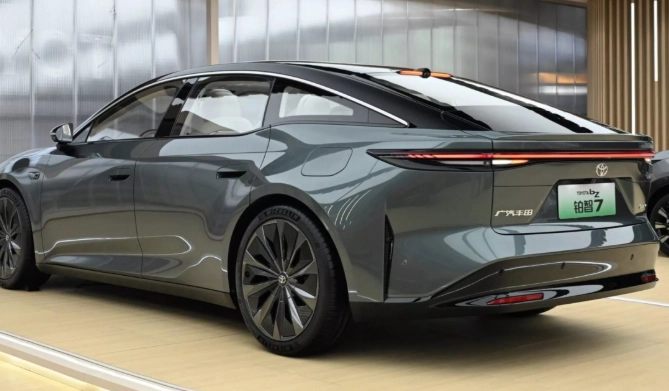
What’s Inside This Deep Dive
What is the Toyota bZ7 Electric Sedan?
First things first, as of today, Toyota hasn't officially announced a vehicle called the "bZ7." The name comes from industry rumors, patent filings, and Toyota's own "bZ" (Beyond Zero) naming scheme. It's widely expected to be the sedan counterpart to the bZ4X SUV. Think of it as Toyota's dedicated electric platform finally stretched and styled into a proper, low-slung passenger car.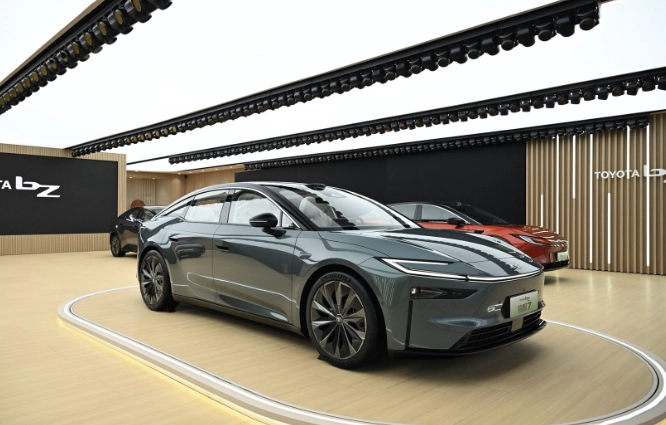
The most credible reports, including analysis from Automotive News, suggest it will be built on an evolved version of the e-TNGA platform. This is crucial. The bZ4X and its cousin, the Lexus RZ, use this architecture. It's competent but had a rocky start with the bZ4X wheel recall. For the bZ7 to succeed, this platform needs to be flawless from day one.
Why does this sedan matter? Because Toyota's electric lineup currently lacks a high-volume, mainstream sedan. The Prius is a hybrid icon, but the world is moving to pure EVs. The bZ7 is Toyota's shot at capturing the heart of the market—the family sedan buyer going electric.
Expected Specs, Range, and Price: Reading Between the Lines
We're in rumor territory, but we can make educated guesses by looking at the bZ4X, Lexus RZ, and Toyota's stated goals. Don't expect any wild, Cybertruck-style leaps. Toyota's playbook is about refinement and reliability.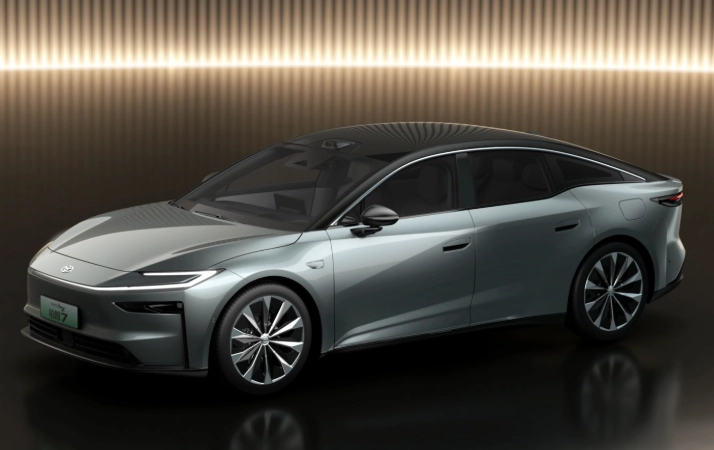
| Feature | Expected Specification (Based on Analysis) | Why It Matters |
|---|---|---|
| Platform | Evolution of e-TNGA (likely called something else) | Dictates interior space, battery placement, and driving feel. Expect a flat floor. |
| Battery & Range | 71.4 kWh to 90+ kWh battery; Target EPA range of 300-400 miles | This is the battleground. Under 300 miles won't cut it in 2024/2025. Toyota needs to hit at least 330+. |
| Drivetrain | Single-motor FWD (base), Dual-motor AWD (performance) | Similar to bZ4X lineup. The AWD version will be the one to watch for enthusiasts. |
| Performance (AWD) | ~250-300 horsepower, 0-60 mph in ~5.5 seconds | Competitive but not class-leading. Toyota prioritizes efficiency over drag-strip numbers. |
| Charging Speed | 150 kW DC fast charging (hopefully improved from bZ4X) | A major pain point for the bZ4X was slow charging. The bZ7 must do better, ideally 200kW+. |
| Starting Price (Est.) | $42,000 - $47,000 (before potential federal tax credit) | Will be critical to undercut the Tesla Model 3 Long Range and match the Hyundai Ioniq 6 SEL. |
Here's my non-consensus take: everyone obsesses over peak horsepower and 0-60 times. For a daily driver EV, the charging curve and real-world highway efficiency are far more important. Can the bZ7 sustain a high charging rate from 10% to 70%? The bZ4X was mediocre here. Will its aerodynamic design (and it will need to be slippery) translate to consistent range at 75 mph? That's what actually eliminates "range anxiety," not a big number on a sticker.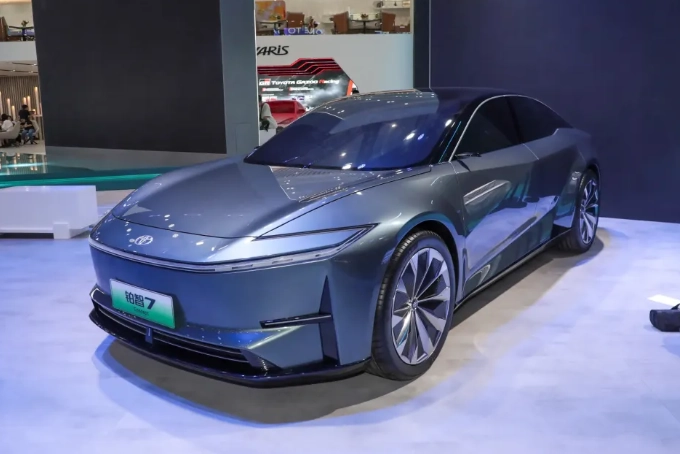
Interior and Tech: The Make-or-Break Details
Toyota interiors are generally well-built but conservative. For the bZ7, they need to step it up. Expect a version of Toyota's latest multimedia system on a large, centered touchscreen. Please, Toyota, give us physical buttons for climate control. The yoke steering wheel from early bZ4X models? Probably not happening after the feedback.
The software is where the real battle is. Toyota's current system is functional but lags behind Tesla, Hyundai/Kia, and even GM's Ultifi in responsiveness and over-the-air update capabilities. The bZ7 needs a software suite that feels modern on day one and can get significantly better over time. This is an area where traditional automakers, Toyota included, have historically struggled.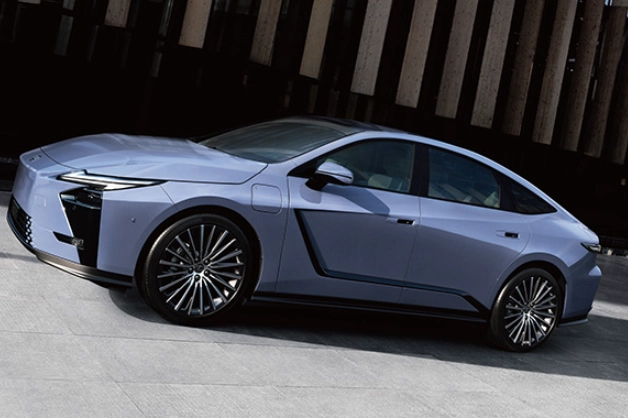
How Will the Toyota bZ7 Compare to Its Rivals?
Let's put the hypothetical bZ7 in the ring with today's champs. This isn't about declaring a winner—it's about understanding its likely position.
Tesla Model 3: The benchmark. The bZ7 will likely match or beat the Model 3 on build quality, ride comfort, and dealer service network. It will almost certainly trail in performance software, charging network (unless Toyota makes a deal for Supercharger access), and the sheer simplicity of the buying/service app. Toyota's advantage? A reputation for bulletproof reliability that Tesla is still building.
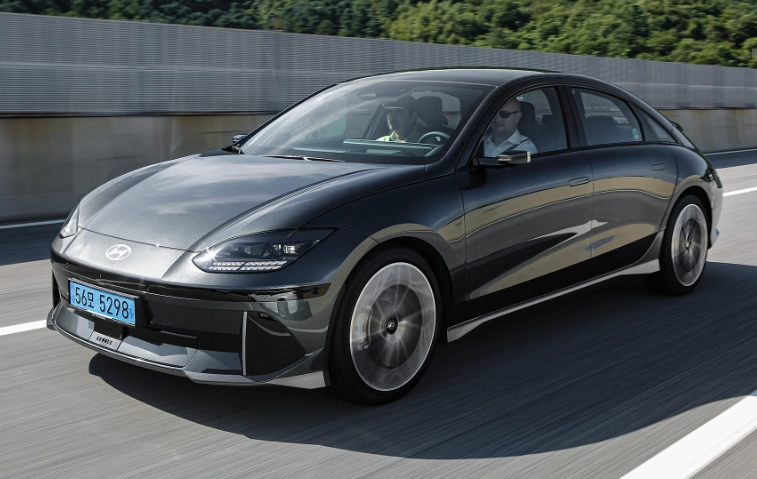
Hyundai Ioniq 6: This is the direct competitor. Similar size, stunning efficiency, great warranty. The bZ7 will need to match the Ioniq 6's real-world range (often exceeding EPA ratings) and offer a more compelling price or feature set to sway buyers. Toyota's brand loyalty is its secret weapon here.
BMW i4 / Polestar 2: These are more premium, sportier options. The bZ7 will undercut them on price but won't match their driving dynamics or brand cachet. It's for a different buyer—one who values Toyota's pragmatism over a sporty badge.
The common thread? The bZ7's success hinges on nailing the fundamentals: competitive range, decent charging, a comfortable and quiet cabin, and a price that doesn't scare people away. It doesn't need to be the best at everything; it needs to be a compelling, no-brainer Toyota.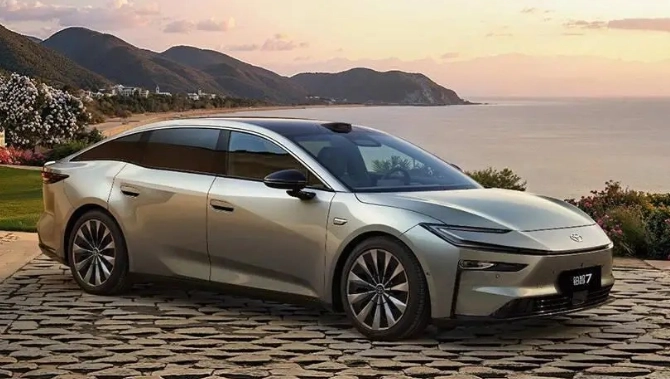
Should You Wait for the bZ7 or Buy Something Else Now?
This is the million-dollar question. Here’s my blunt advice, based on common scenarios.
If you need a car in the next 6 months: Don't wait. The bZ7 is likely at least a year away from hitting dealership lots in meaningful numbers. Go test drive a Model 3, Ioniq 6, and a Ford Mustang Mach-E today. The market is fantastic right now.
If you're a Toyota loyalist and your current car is fine: Waiting makes sense. You're invested in the brand, you trust their reliability, and you want your first EV to feel like a Toyota. Keep an eye on official announcements, but set a mental deadline. If the reveal disappoints on specs or price, be ready to look elsewhere.
If you're purely chasing the best tech and performance: The bZ7 is probably not your car. Tesla and the Korean brands are likely to remain ahead on the bleeding edge of EV tech (e.g., vehicle-to-load, ultra-fast charging). The bZ7 will be an evolution, not a revolution.
My take? The sweet spot for the bZ7 will be the second model year. Let Toyota work out any first-year quirks, let the charging infrastructure mature a bit more, and potentially get a better deal once the initial hype dies down.