Your air conditioner blowing warm air is frustrating, especially on a hot day. I've been there—last summer, mine quit cooling, and I spent hours troubleshooting before realizing it was a simple fix. Most cooling problems aren't as complex as you think. In this guide, I'll walk you through common causes, DIY fixes you can try today, and when to call a pro. Let's get your AC blowing cold again.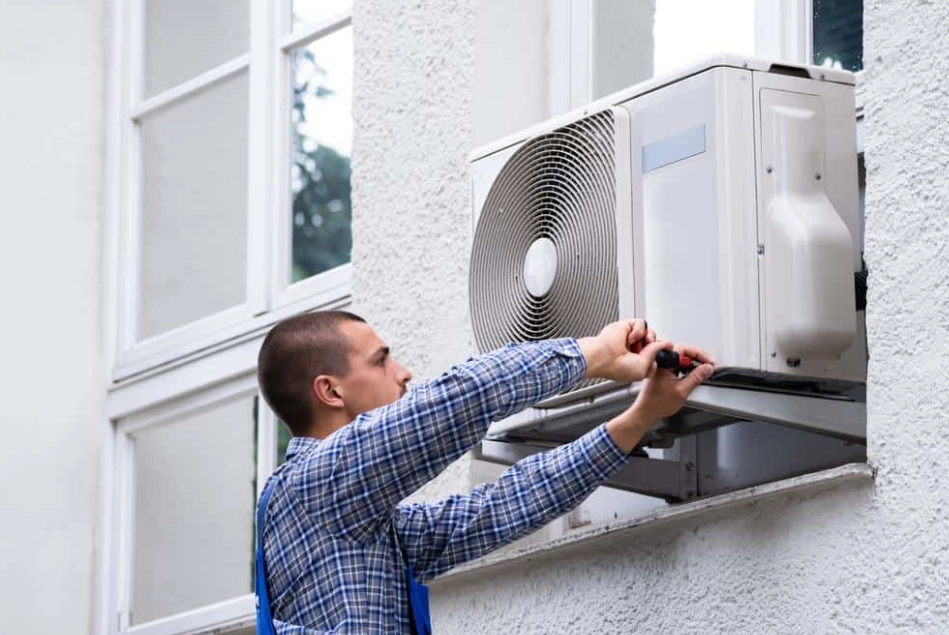
Quick Navigation: What's Covered
Common Reasons Why Your AC Isn't Cooling
Before grabbing tools, understand what might be wrong. From my experience, 80% of cooling issues stem from a few culprits. Let's break them down.
Dirty Air Filters
This is the most overlooked problem. A clogged filter restricts airflow, making your AC work harder and cool less. I once had a client whose filter hadn't been changed in two years—the unit was freezing up because air couldn't flow properly. Check it monthly during peak season.
Thermostat Issues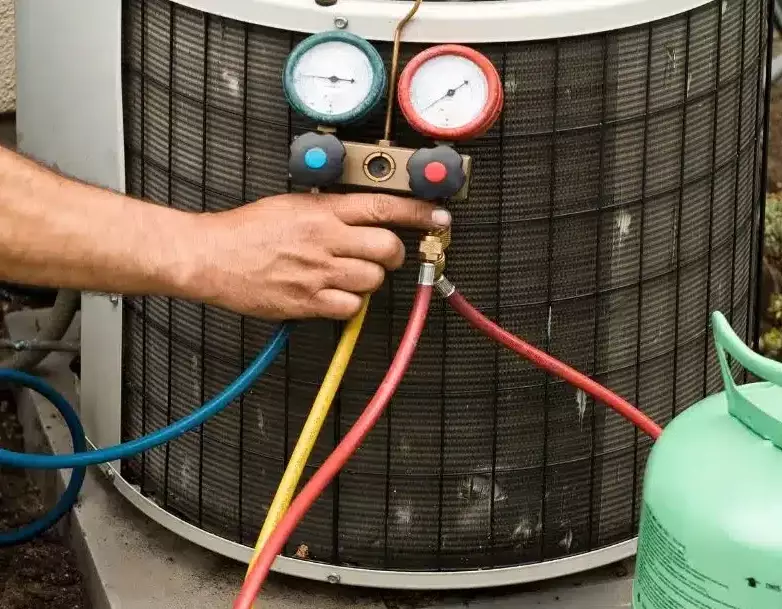
Is the thermostat set to "cool" and the temperature lower than room temp? Sounds obvious, but I've seen people accidentally switch it to "fan only" or "heat." Also, old thermostats can miscalibrate. Try replacing batteries if it's battery-operated.
Refrigerant Leaks
If refrigerant is low, your AC can't absorb heat efficiently. This isn't a DIY fix—handling refrigerant requires certification due to environmental regulations. Signs include hissing sounds or ice on the evaporator coils. Don't just add refrigerant; leaks need professional sealing.
Condenser Unit Problems
The outdoor unit (condenser) can get blocked by debris like leaves or dirt. I recall a case where a bush grew too close, reducing airflow by 30%. Keep it clear for at least two feet around. Also, dirty condenser coils reduce heat transfer; clean them gently with a hose.
Expert Tip: Many online guides say to check the circuit breaker first, but in reality, if the AC is running but not cooling, the breaker is rarely the issue unless it's tripped. Focus on airflow and thermostat settings initially.
Step-by-Step DIY Fixes You Can Try Today
Here's a practical approach. Start with the easiest fixes—you might solve it in minutes.
1. Inspect and Replace the Air Filter
Locate the filter (usually in the return air duct or near the indoor unit). If it's gray and dusty, replace it. For reusable filters, wash with mild soap and water, then dry completely. A clean filter can improve cooling by up to 15%, according to Energy Star guidelines on maintenance.
2. Clean the Condenser Unit
Turn off the power at the breaker. Remove leaves and debris from the outdoor unit. Use a garden hose to spray the coils from the inside out, but avoid high pressure that could bend fins. If fins are bent, use a fin comb to straighten them—this improves efficiency.
3. Check Thermostat Settings and Calibration
Ensure it's on "cool" mode and set 5 degrees below room temperature. For programmable thermostats, check schedules. If you suspect miscalibration, place a separate thermometer nearby; if readings differ by more than 3 degrees, consider recalibrating or replacing the thermostat.
4. Examine Ductwork for Leaks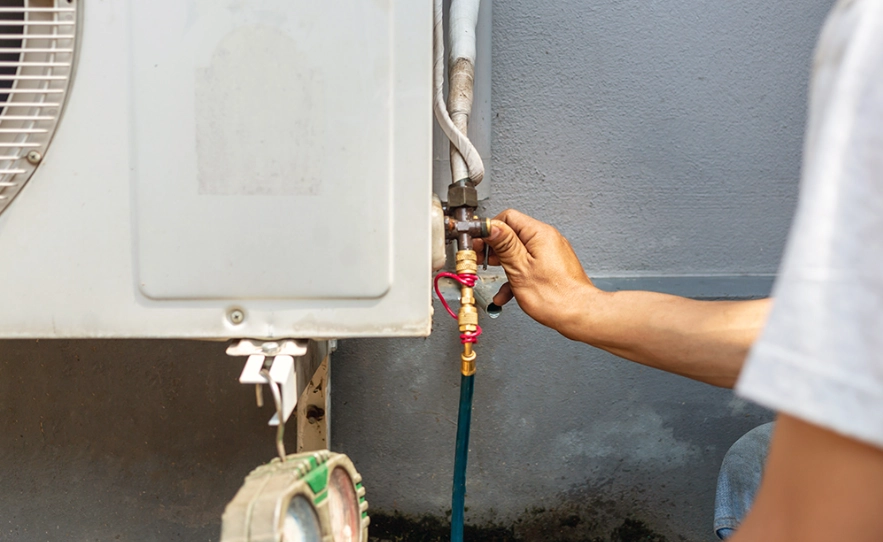
Inspect accessible ducts in attics or basements. Look for gaps or disconnected sections—duct tape isn't reliable; use mastic sealant. Leaks can waste 20-30% of cooled air. I helped a friend seal leaks, and his cooling bill dropped by $50 a month.
If these don't work, it's time to assess more complex issues. Here's a quick reference table for common symptoms and actions:
| Symptom | Possible Cause | DIY Action |
|---|---|---|
| AC runs but air is warm | Dirty filter, thermostat issue, low refrigerant | Clean filter, check thermostat, call pro if persistent |
| AC turns on and off frequently | Dirty condenser, frozen evaporator coil | Clean outdoor unit, let coil thaw, check airflow |
| No cold air and unusual noises | Fan motor failure, compressor problem | Turn off AC, call professional immediately |
| Weak airflow from vents | Blocked ducts, dirty blower fan | Inspect ducts, clean fan if accessible |
When to Call a Professional HVAC Technician
Some problems require expertise. Don't risk damaging your system or voiding warranties.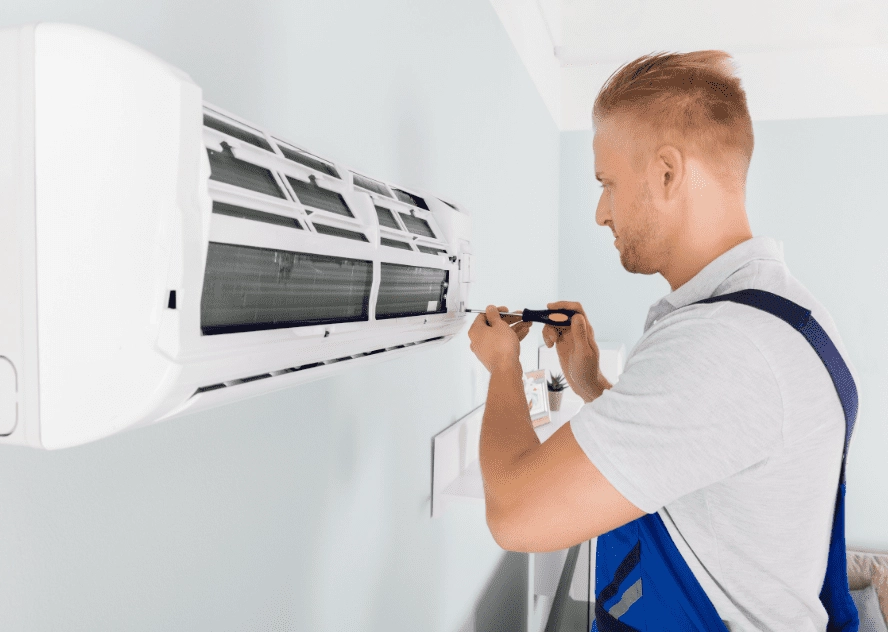
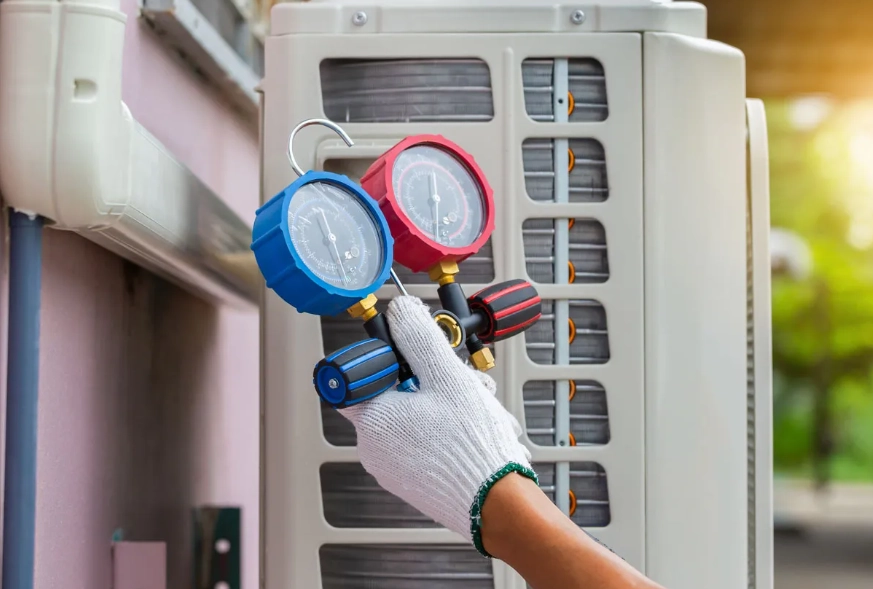
Refrigerant handling: As mentioned, adding refrigerant isn't a DIY job. Technicians use gauges to measure levels and detect leaks. The EPA requires certification for refrigerant work—attempting it yourself can lead to fines or system damage.
Electrical issues: If you suspect wiring problems, like a faulty capacitor or compressor, call a pro. I once tried fixing a capacitor and nearly got shocked; it's not worth the safety risk.
Persistent cooling failure: If DIY steps don't help after a day, get a technician. They have tools like manifold gauges and leak detectors. Ask for a quote upfront—some companies charge high diagnostic fees, so compare local reviews.
Refer to resources like the Air Conditioning Contractors of America (ACCA) for finding certified pros in your area. They emphasize regular maintenance to avoid emergencies.
How to Prevent Future Cooling Problems
Prevention saves money and hassle. Here's what I do yearly.
- Schedule annual maintenance: Have a pro inspect and tune up your AC before summer. They'll check refrigerant, clean components, and ensure efficiency. Cost ranges from $80-$150, but it prevents costly repairs.
- Keep outdoor unit clear: Trim plants and remove debris seasonally. Consider installing a protective cover in winter, but remove it before use to avoid mold.
- Upgrade insulation and sealing: Improve home insulation to reduce AC load. Seal windows and doors—this cuts cooling costs by up to 20%, per Energy Star data.
- Monitor energy usage: Use a smart thermostat to optimize cooling schedules. I switched to one last year and saw a 10% drop in bills without sacrificing comfort.
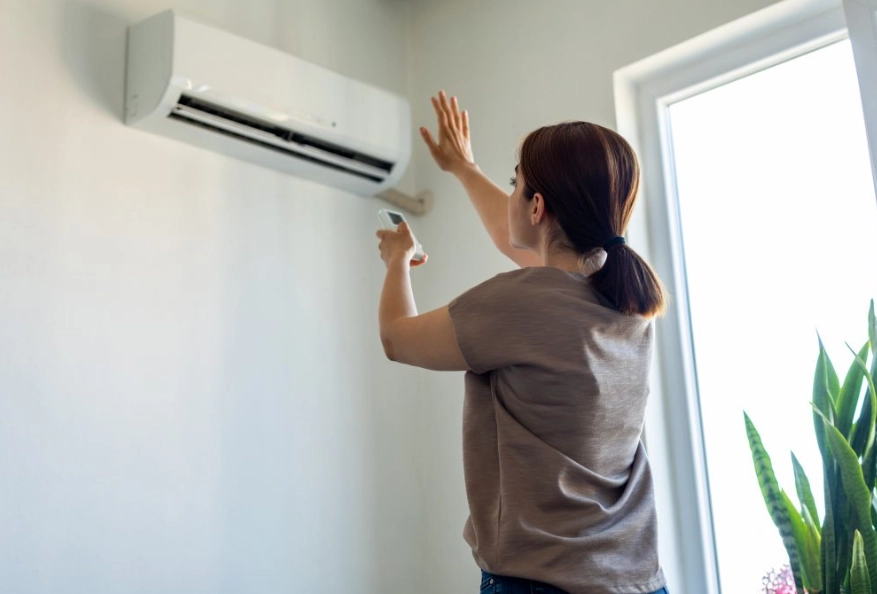
Think long-term: if your AC is over 10 years old, consider replacement. Newer models are more efficient and might qualify for rebates.
Frequently Asked Questions (FAQ)
 How often should I clean the condenser coils?