
Comparing cars in Europe is not about browsing spec sheets. I learned that the expensive way. A 1.5-liter family SUV I priced in the Netherlands came out around €3,400 more expensive than the identical trim in Germany, mostly because of registration tax and delivery fees I did not see on the configurator. That gap pushed me to build a real comparison framework: base price, hidden costs, insurance, running costs, and resale. This guide is the result.
Quick Route Through This Guide
What Car Comparison Europe Really Means
Most people think a car comparison Europe exercise is about horsepower, boot space, and screen size. That is the surface layer. The real work is comparing the total cost of ownership across countries and the actual legal steps to put the car on the road where you live.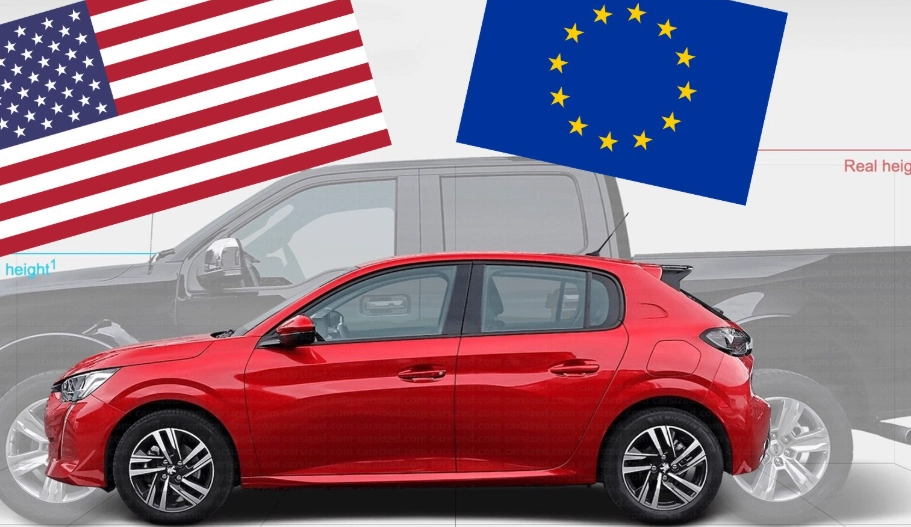
Three things shape the result more than any spec:
- Registration tax and VAT differences. A car that feels cheap in Belgium can be expensive in Denmark. Local registration tax often changes the whole math.
- Insurance group differences. The same model can sit in a higher insurance group in one market because of repair costs and theft data.
- Resale depth. Popular models in one country hold value better. Import a rare trim and you may struggle to sell it later.
I look at the car as a local product. A car comparison Europe table that ignores country-specific costs is a trap.
How to Compare Cars Across Europe Without Missing Costs
Here is the step-by-step method I use when I compare two or three models across markets.
Step 1: Lock the exact trim and options
Use the manufacturer configurator for each country. Get the final on-the-road price, not the starting price. Add the same options in every market. I once compared two cars and later found one had a heat pump as standard while the other charged for it. That one item changed the gap by over €1,000.
Step 2: Add the cross-border costs
If you buy in one country and register in another, list export plates, transport, customs paperwork, and local registration tax. The EU has rules for intra-EU vehicle registration, but the tax treatment is national. Check the European Commission’s Your Europe portal for the current registration rules before you commit.
Step 3: Pull real insurance quotes
Use the local postal code and the exact trim. Compare comprehensive and third-party quotes. Insurance pricing is local and personal. Do not trust forum averages.
Step 4: Build a three-year cost line
Add fuel or charging, service intervals, tyre size, and expected depreciation. For a fair comparison, use the same annual mileage and the same resale source.
Best Family Car Europe: Side-by-Side
I drove three popular family cars in the same week on a mix of motorway, city, and wet rural roads. Here is the comparison that matters for real buyers. Prices are indicative on-the-road figures for a mid-trim car in Germany and exclude trade-in.
| Model | Indicative OTR price (Germany) | Real motorway efficiency I saw | Boot space | Insurance group note | Best for |
|---|---|---|---|---|---|
| Škoda Karoq 1.5 TSI | €34,500 | 6.4 L/100 km | 521 L | Lower group than many rivals | Value-focused families |
| Toyota RAV4 Hybrid | €42,900 | 6.1 L/100 km | 580 L | Mid group, strong theft record | Long-term owners |
| Peugeot 3008 Hybrid | €40,200 | 6.7 L/100 km | 520 L | Higher repair cost in some markets | Interior feel |
The Karoq felt the most honest on a budget. The RAV4 Hybrid won on resale confidence. The 3008 looked the best inside but the touch controls frustrated me in city traffic.
Buying Car Across Europe: Import Reality Check
Plenty of drivers ask whether buying car across Europe is worth it. Sometimes yes. Often no. The gap has to clear a real bar.
In one case, I looked at a used estate in France that was €2,800 cheaper than a similar car at home. After transport, export paperwork, local registration tax, and a fresh inspection, the saving shrank to under €400. The hassle was not worth it.
When import pays off: the model is rare at home, the price gap is large, and the car is new enough to avoid inspection surprises. When it does not: the tax difference eats the saving, or the warranty handling becomes messy across borders.
Check the manufacturer’s warranty terms for cross-border claims and the European Consumer Centre’s guidance on cross-border car purchases before you pay a deposit.
What Are the Hidden Fees in European Car Buying?
These are the cost lines buyers miss most often in a car comparison Europe exercise.
- Delivery and registration fees added at the end of the configurator.
- Local registration tax that changes with CO2 and weight.
- Insurance jump for a higher trim or bigger wheels.
- Export and import plates if the car crosses a border.
- Financing in a different currency, which adds exchange risk.
Add every line to the same spreadsheet before you decide. A dealer discount that looks strong can fade once the local tax and insurance are included.
Straight Answers to Common Questions
Is it cheaper to buy a car in Germany and register it in another EU country?
Only when the local registration tax in your country is low or the model is much cheaper in Germany. Run the full landed cost first. In several cases, the tax and paperwork erase the saving.
How do I compare insurance costs for the same car across Europe?
Use local postal codes and the exact trim. Get three quotes per country. Compare comprehensive cover only. Insurance groups are local, so a direct country-to-country transfer of figures is misleading.
Why does the same family SUV cost so much more in one European country?
Registration tax and VAT treatment do most of the work. CO2-based taxes in particular can swing the price by several thousand euros. Delivery and dealer fees then widen the gap.
Does a bigger wheel option hurt resale in Europe?
It can. Large wheels raise tyre costs and sometimes CO2, which matters in tax-sensitive markets. Buyers in those markets often prefer the smaller standard wheel.
This guide was fact-checked against manufacturer configurators and the European Commission’s Your Europe vehicle registration information at the time of writing.



Leave a Comment