
Ask ten EV owners about the biggest problem with electric cars and you'll get a shrug before an answer. Range pops up first. Then price. But after three winters driving a 2021 Model 3 Long Range and a 2020 Nissan Leaf around the Midwest, I'll tell you the real killer: charging infrastructure reliability. Not the number of chargers—the number of chargers that actually work when you roll up.
Quick Jump Guide
Why Charging Reliability Beats Range as the Biggest Problem With Electric Cars
Here's a scene I know well. It's 9:40 PM outside a Walmart in central Illinois. Three Electrify America stalls. Two are dead screens. The third works but delivers 42 kW when it promised 150. I sat there for 55 minutes to add 80 miles. That's not an adventure. That's a headache.
According to J.D. Power's 2024 U.S. Electric Vehicle Experience Public Charging Study, one in five charging visits ends in a failure to charge. For non-Tesla DC fast chargers, satisfaction scores have actually dropped, not improved. The problem isn't charger count anymore. It's broken hardware, confusing apps, and payment systems that fail about as often as the chargers themselves.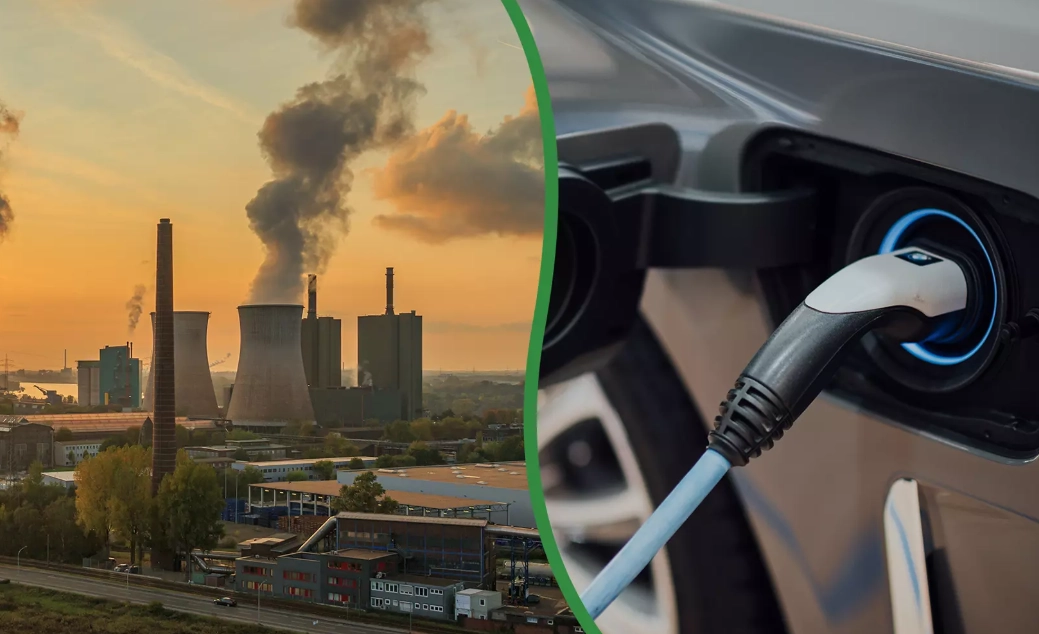
Here's the non-consensus bit most reviewers skip: Tesla's Supercharger network isn't perfect either, but it wins on consistency because Tesla owns the whole stack—hardware, software, billing. Third-party networks cobble together equipment from different vendors and rely on cellular connections that drop out in rural areas. That fragmentation is the actual bottleneck.
The Winter Range Math Nobody Warns You About
I ran a simple test last February. Same 180-mile round trip, same highway speed. At 25°F with the heat on, my Model 3 delivered 64% of its EPA-rated range. The Leaf dropped closer to 58%. That's not a defect—it's chemistry and thermodynamics. But it means your 250-mile EV becomes a 160-mile EV just when you need it most.
What most buyers miss: the car's guess-o-meter (range estimator) tends to be optimistic in cold weather until you actually start driving. The first ten minutes of a winter trip are a guessing game. I've learned to subtract 30% from whatever the dashboard says when temps dip below freezing.
Public Charging Costs vs. Home Charging—The Real Gap
Everyone brags about home charging at roughly 14 cents per kWh in the U.S. That works out to about 4 cents per mile. But if you live in an apartment or townhouse without a garage, you're stuck with public charging. And here's where the math gets ugly.
| Charging Method | Approx. Cost per kWh | Cost to Add 100 Miles | Practical Reality |
|---|---|---|---|
| Home Level 2 (off-peak) | $0.14 | $3.50-$4.20 | Cheapest, but needs a dedicated outlet or garage |
| Tesla Supercharger (peak) | $0.42-$0.55 | $10.50-$13.75 | Reliable but pricey during peak hours |
| Electrify America DC Fast | $0.48 (pass) to $0.56 (guest) | $12-$14 | Equipment issues common; membership saves little |
| Level 1 (standard wall outlet) | $0.14 | $3.50 | Adds 3-5 miles per hour—practically useless for most |
I've paid more per mile to drive electric on road trips than I would have driving a 35-mpg gas car. That's not a headline you see often, but it's true when you rely on public fast charging. Charging at home is where the savings live. Lose that, and the total cost of ownership story falls apart.
Are EVs a Depreciation Trap? Here's What the Data Says
I bought a used 2020 Leaf in early 2024 for $16,800. The original MSRP was around $32,000. That's nearly a 50% haircut in four years—steeper than a comparable Honda Civic. Why? Battery anxiety, fast-moving tech, and federal tax credits on new models that push down used values.
CarEdge and iSeeCars data suggest EVs depreciate faster than gas cars in the first three years, then stabilize. But the stabilization point depends heavily on battery health. A used EV with 89% state of health (SoH) sells for meaningful less than one at 95%. Most sellers don't even know their SoH number. Get an OBD-II scanner and check it before you buy used—it's a $25 tool that can save you thousands.
What to Check Before You Buy an EV (My Personal Checklist)
- Home charging situation: Can you install a Level 2 charger? If you rent, ask the landlord. If you park on the street, think hard.
- Commute distance: If it's over 120 miles round trip in winter, stick with an EV that has a heat pump and at least 250 miles of rated range.
- Local charging: Check PlugShare and ChargeHub. Look at recent check-ins—not just the pin drop. A charger marked "available" that hasn't been checked in six months is a red flag.
- Battery SoH (for used buys): Request a battery health report. If the seller won't provide one, walk away.
- Network access: Tesla Supercharger access for non-Tesla brands varies by model year and adapter availability. Verify before you commit.
Real Questions From EV Shoppers
What is the biggest problem with electric cars for apartment dwellers?
Losing home charging access. Public Level 2 chargers near apartments are often occupied overnight, and relying on DC fast charging all the time is expensive and bad for battery longevity. If you can't charge where you sleep, budget 20-30 minutes a week at a public station—and check those stations' reliability scores first.
How much range do electric cars really lose in winter?
Expect 25-35% loss in subfreezing temps with the heater running. That number improves if the car has a heat pump. My unscientific advice: take the EPA range, multiply by 0.7, and treat that as your winter range. If that number still covers your daily needs, you're fine.
Do EV batteries degrade fast enough to worry about buying used?
Most modern EV batteries lose 2-3% capacity per year in moderate climates. Heat is the silent killer—if the car lived in Arizona, expect faster degradation. Always check the state of health report. A 2018 EV with 120,000 miles could have anywhere from 82% to 92% SoH depending on how it was charged.
Is public charging more expensive than gas?
Per mile, yes, on many DC fast networks. At 14 cents per kWh home charging, you pay roughly 4 cents per mile. At a public fast charger charging 50 cents per kWh, that jumps to about 14 cents per mile—comparable to a 30-mpg gas car at current prices. The savings vanish when you lose home charging.
Why do so many public chargers break down?
Fragmented hardware, poor cellular connectivity for billing, and inconsistent maintenance contracts. Each network uses different equipment vendors, so a repair might require a part that takes weeks to arrive. Tesla's vertical integration is the exception, not the rule.
This article reflects firsthand ownership experience and data from the U.S. Department of Energy Alternative Fuels Data Center, J.D. Power's 2024 U.S. EV Experience Public Charging Study, and EVgo's public reliability reports. All specifics were fact-checked for accuracy.

Leave a Comment