
Twelve years selling used cars taught me one thing: certified pre owned cars aren’t automatically safer. They’re not always a better deal, either. The “certified” badge sounds nice. But what sits underneath it varies wildly between brands. I’ve seen CPO stickers slapped on cars with sketchy history, and I’ve seen genuinely clean ones priced below open-market value. This isn’t a brochure. It’s what I’d tell a friend who just texted me “hey, is CPO worth it?” before heading to a dealership.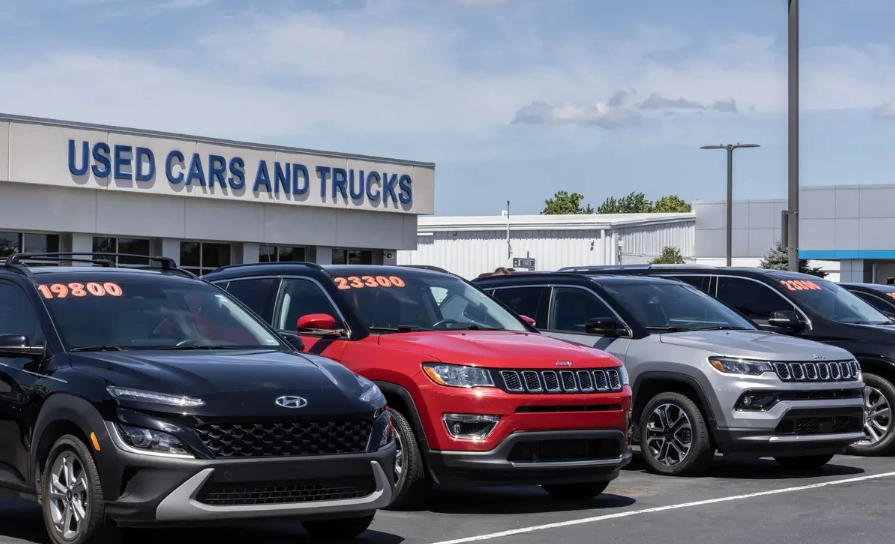
What “Certified Pre Owned” Actually Means
Certified pre owned cars are used vehicles that a manufacturer’s franchise dealership has inspected, reconditioned, and backed with a warranty. Simple enough. But here’s the part people miss: the factory doesn’t certify the car. The dealer does. The manufacturer sets a rough checklist and approves the warranty, then the individual dealership performs the inspection in its own shop. That’s why one Honda dealer’s CPO car can be spotless while another’s is a mess with a fresh sticker. In my area, two large multi-brand lots both sell “certified” vehicles — one uses the factory program, the other uses a third-party warranty that sounds identical on paper. Ask which one you’re looking at.
The core elements of any legitimate CPO program:
- Age and mileage caps: usually under 5 years old and under 60,000 miles, but Toyota lets some cars go to 6 years and 85,000 miles. Check the exact cap.
- Multi-point inspection: anywhere from 112 to 172 points depending on the brand. The list matters less than who signed off and whether you can see the report.
- Extended warranty: powertrain-only is common, bumper-to-bumper is rare. Some brands give you a year, some give you seven. This is the biggest variable.
- Roadside assistance and trip interruption coverage: nice perks, but read the fine print on how far they’ll tow you.
- Vehicle history report: every program promises a clean title, but not all of them flag minor accidents or prior commercial use.
The Warranty Trap Nobody Warns You About
Everyone talks about the CPO warranty like it’s a safety net. It can be. But the deductibles and exclusions are where deals go sour. I once watched a customer buy a certified BMW with a “comprehensive” CPO warranty. Three months later, the infotainment screen died. The warranty covered the powertrain but not the electronics — a $1,400 repair out of pocket. He assumed “certified” meant everything. It didn’t.
Before you sign, ask three questions: What’s the deductible per visit? Are wear items (brakes, clutch, tires) excluded? Does the warranty transfer if you sell the car privately? That last one matters if you flip cars every two years. Most CPO warranties do transfer, but some charge a fee. Honda’s transfer fee is around $50 in many states; luxury brands sometimes charge nothing. It flips the other way on aftermarket warranties, which often make transfer a headache. Spend ten minutes with the warranty booklet. If the finance manager hesitates to give you a copy before signing, walk.
The 172-Point Inspection Claim vs. Reality
That number sounds impressive. But I’ve watched technicians check off “inspection passed” for items they never touched. Not every dealer does this — but enough do that you need to protect yourself. Ask the salesperson to walk you through the actual inspection sheet, not the marketing brochure. If they can’t produce it, that’s a red flag.
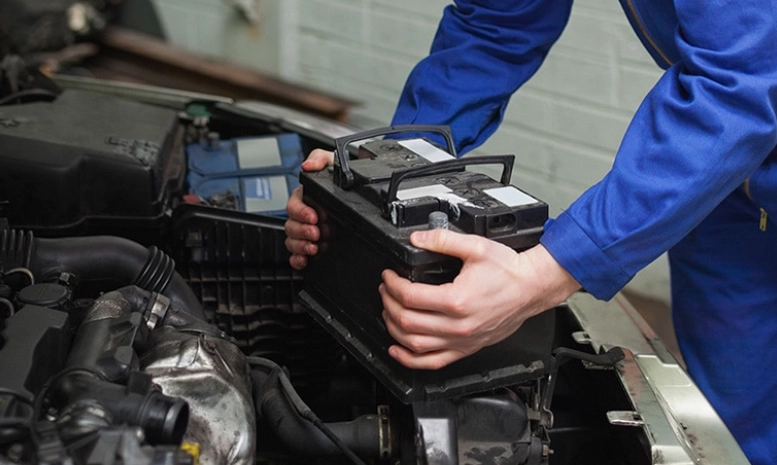
Better yet, pay a independent mechanic $100 to $150 to inspect the car on a lift. I’ve seen CPO cars with leaking shocks, mismatched tires, and even a bent wheel that the “certified” inspection missed. One specific case: a certified 2021 Mazda CX-5 at a franchised dealer in Phoenix had a battery that failed a load test two days after purchase. The CPO checklist included battery condition. The dealer replaced it free under goodwill, but only because the customer pushed. Get it in writing that wear items will be addressed before delivery.
Here’s what I check in the first five minutes on the lot:
- Tire dates: four-digit DOT code on the sidewall. If they’re older than five years or mismatched brands, the dealer cut corners somewhere.
- Brake pedal feel: a spongy pedal on a CPO car hints at neglected fluid.
- Panel gaps and paint texture: run your hand along the hood-to-fender seam. A rough patch means bodywork, which may not appear on the report.
Financing & Hidden Fees: Where CPO Buyers Get Burned
CPO cars often qualify for lower interest rates than non-certified used cars. That’s a real perk. But dealerships know buyers focus on the monthly payment, so they sneak in add-ons. I’ve seen $499 “certification processing fees” that weren’t advertised, $299 nitrogen tire fills, and $1,200 paint protection packages bundled into the loan without a clear line item. These aren’t hypotheticals — I’ve watched finance managers slip them in while the customer stared at the payment screen.
Compare the out-the-door price, not the monthly. Ask for a printed breakdown of every charge before you discuss financing. If a fee sounds made up, it probably is. Some states cap doc fees; others don’t. Check your state’s attorney general website for dealer fee rules. And remember: the CPO warranty is included in the car’s price. No legitimate dealer charges extra for the certification itself.
| Fee to watch | Typical amount | Negotiable? |
|---|---|---|
| Certification processing | $200–$600 | Almost always — it’s pure profit |
| Documentation | $85–$500 (state-dependent) | Sometimes; check state caps |
| Nitrogen tire fill | $99–$299 | Yes — air is mostly nitrogen anyway |
| Paint & fabric protection | $500–$1,500 | Yes — skip it and wax your car |
| VIN etching | $199–$399 | Yes — a $20 kit does the same |
How Do You Negotiate a CPO Car Price?
Same as any used car, but with one extra lever: the certification cost is baked into the sticker, and dealers have room to move. I’ve negotiated $1,800 off a certified Subaru Outback just by pointing out that the CPO warranty was only one year and the tires were at 5/32 tread depth. The salesperson didn’t want to replace the tires, so he dropped the price instead. That’s the trade-off you’re looking for.
Start by finding the same car — same trim, similar miles — at a non-franchise lot. Use that price as your anchor. Then ask for the CPO inspection sheet and point out anything that needs attention. If the dealer won’t budge on price, ask for the repairs to be done before delivery. Get it written into the buyer’s order. Verbal promises disappear when you drive off the lot.
Best & Worst CPO Programs (From My Notebook)
Not all CPO programs are created equal. Here’s my informal ranking based on warranty length, transferability, and how often I’ve seen dealers actually honor claims without a fight.
- Top tier: Lexus (6-year unlimited-mile powertrain, plus 2 years bumper-to-bumper), Porsche (2-year unlimited-mile, transferable at no cost), and Mazda (7-year/100k powertrain on newer models). These programs are generous and the dealers tend to be less defensive when you file a claim.
- Solid mid-tier: Honda, Toyota, Subaru. Reliable cars, decent warranties (Honda’s is 7-year/100k powertrain), but the bumper-to-bumper coverage is usually just 1 year/12k miles. Fine if you trust the car.
- Bottom tier: Some domestic brands and smaller Japanese brands offer only 3-month/3,000-mile comprehensive coverage with a longer powertrain warranty that has a $100 deductible per visit. That’s not much better than a regular used car. I’d rather buy non-CPO and pocket the difference.
One more thing: “certified” means nothing if the dealer won’t let you see the inspection report or refuses an independent pre-purchase inspection. Those are deal-breakers. Walk away. There’s always another car.
Real Questions from the Lot
This article was fact-checked against manufacturer CPO program pages and state dealer fee regulations.
Leave a Comment