Let's cut to the chase. A wheel alignment doesn't adjust your tires or balance your wheels. What it does is adjust the angles of your wheels relative to each other and to your car's body, according to the manufacturer's precise specifications. Think of it as fine-tuning the posture of your car. Get it right, and your car drives straight, tires wear evenly, and you save a ton of money. Get it wrong, and it's like walking with your shoes pointed inwards—you'll wear them out fast and the walk feels awkward.
I've seen cars come into the shop with tires chewed up in 15,000 miles because of a bad alignment the owner ignored. That's a $600+ mistake you can avoid.
What You'll Learn in This Guide
How Does Wheel Alignment Work? It's All About Three Angles
Mechanics aren't just "lining up" your wheels by eye. They use computerized alignment machines to measure and adjust three critical angles. Mess with any one, and you've got problems.
Camber: The Leaning Tower of Your Tire
Camber is the inward or outward tilt of the top of your tire when viewed from the front. A little bit of negative camber (top tilts in) can be good for cornering grip on performance cars. But too much, positive or negative, and you're scrubbing the inner or outer edge of your tire flat.
I once had a customer with a lowered car who added aggressive camber for looks. His $1200 set of performance tires was bald on the inside edges in 8 months. The outside tread looked brand new. That's camber wear in action—a complete waste.
Toe: The Pigeon-Toed or Duck-Footed Effect
This is the big one for tire wear. Toe is whether the fronts of your tires are closer together (toe-in) or farther apart (toe-out) than the rears, as seen from above.
Think of it this way: With toe-in, your tires are constantly fighting each other, scrubbing sideways as you drive straight. It's the most common cause of rapid, feathered-edge tire wear you can feel with your hand. Toe-out does the same thing, just in the opposite direction.
Caster: The Steering Stability Angle
Caster is the angle of your steering axis when viewed from the side. Positive caster (axis tilts back toward the driver) gives you that nice, self-centering feel in the steering wheel. It's what makes the wheel snap back after a turn. Too little caster, and the steering feels vague and loose. This one is less about tire wear and more about how the car feels and handles.
Most modern cars have minimal caster adjustment unless you install aftermarket parts. But if it's off from a major impact, you'll definitely notice the poor steering feel.
The 7 Signs You Desperately Need a Wheel Alignment
Don't wait for a shop to tell you. Your car is talking to you. Here's what it's saying:
- The Steering Wheel is Off-Center when driving straight. This is the classic sign. If you have to hold the wheel at 10 or 2 o'clock to go straight, your toe is almost certainly out.
- Your Car Pulls to One Side on a flat, level road. Take your hands off the wheel for a second (safely!). A consistent pull often points to uneven camber or a tire issue. But a hard pull? That's an alignment red flag.
Listen.
The next signs are visual or tactile.
- Uneven Tire Wear. Run your hand across the tread blocks. Do they feel sharp and jagged on one edge (feathering)? That's toe wear. Is the inner or outer shoulder visibly more worn? That's camber wear.
- Steering Wheel Vibration at higher speeds is usually a balancing issue. But if it's combined with a pull or off-center wheel, alignment could be a contributing factor, as misaligned wheels fight the suspension.
- Squealing Tires during normal, low-speed turns. They shouldn't do that.
- You Hit Something Major. Curb, pothole deep enough to remember, parking block. Any impact that jars the steering or suspension can knock things out of spec.
- You Just Got New Tires. This is non-negotiable. Installing new tires on a misaligned car is like putting on new shoes and immediately walking through mud. You're starting their life with a handicap. The Tire Industry Association strongly recommends an alignment with new tire installation to ensure maximum tread life.
What Really Happens During an Alignment Service?
It's not a 5-minute job. A proper four-wheel alignment on a modern car takes a skilled tech 60 to 90 minutes. Here's the breakdown they don't always tell you:
- Pre-Alignment Check: A good shop will check tire pressures, look for worn suspension parts (ball joints, tie rods), and test ride height. If your shocks are shot or a control arm bushing is destroyed, they can't hold an alignment. They should tell you this before starting.
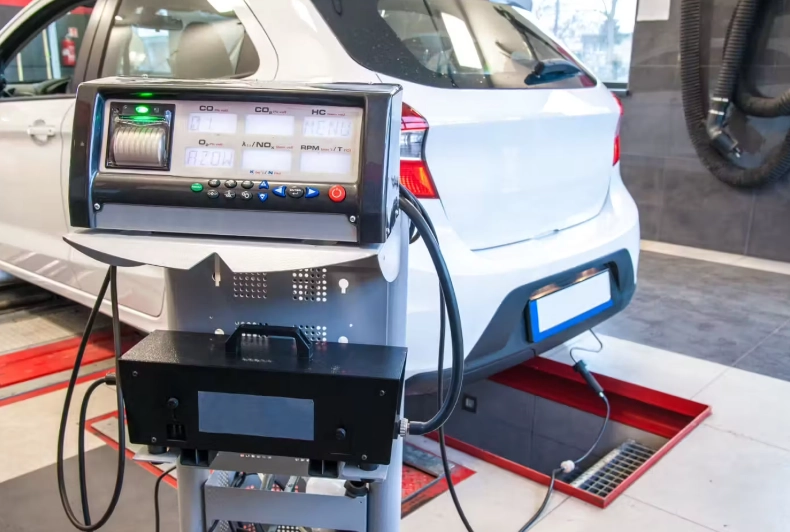
- Mounting Sensors: Targets or sensors are attached to all four wheels. These communicate with the alignment computer's cameras.
- Measurement: The tech drives the car onto the alignment rack, positions the wheels straight, and the computer takes a "before" snapshot of all the angles. This report shows exactly what's out of spec, often in red.
- The Adjustment: This is the hands-on part. Using wrenches, the tech loosens lock nuts on the tie rods (for toe) and sometimes on the strut or control arm mounts (for camber/caster). They turn adjustment sleeves or bolts to move the wheel minutely, watching the computer screen change from red to green as it hits the specification range.
- Re-Torque and Test Drive: Everything is tightened to factory torque specs. A final measurement is taken. The best shops will do a short test drive to verify the pull is gone and the wheel is centered.
A common upsell is the "lifetime alignment" package. For a frequent driver or someone who lives on rough roads, it can be worth it. For most people getting it done every 2-3 years, paying per service is fine.
Alignment Cost vs. The Staggering Cost of Neglect
Let's talk numbers. This is where the "what does it do" question gets real.
| Service/Item | Typical Cost Range | What It Gets You |
|---|---|---|
| Standard 2-Wheel (Front) Alignment | $70 - $100 | Adjusts front toe only. Okay for some older solid-axle rear-wheel-drive cars. Most modern cars need 4-wheel. |
| Premium 4-Wheel Alignment | $100 - $200 | The standard. Adjusts toe front and rear, and camber/caster where adjustable. This is what you likely need. |
| Performance/Specialty Alignment | $200+ | For modified cars, track setups, or custom specifications. Includes more precise adjustments and corner balancing. |
| Premature Tire Replacement (Set of 4) | $400 - $1000+ | The direct cost of neglect. A bad alignment can easily halve your tire life. |
| Reduced Fuel Economy | ~$100+ per year | Dragging, scrubbing tires create rolling resistance. The U.S. Department of Energy notes proper maintenance, including alignment, improves fuel efficiency. |
| Premature Suspension Wear | Variable, $300+ | Constant stress on ball joints, tie rod ends, and bushings from misaligned wheels. |
See the math? A $150 alignment every two years can save you $600 on a premature set of mid-range tires, plus gas and suspension parts. It's one of the highest-return maintenance items you can do.
Your Wheel Alignment Questions, Answered by a Pro
So, what does wheel alignment do? In short, it ensures your car's wheels are pointing in the exact right direction. It's a precision adjustment that delivers straight-line stability, predictable handling, and most importantly, protects your investment in tires and suspension. Ignoring it is an expensive gamble. Paying attention to it is one of the smartest, most cost-effective forms of car care you can practice.