So you're hearing a squeal or a grinding noise when you brake, or maybe your mechanic just gave you the news. The question immediately pops into your head: how much will brake pads cost? The short, frustrating answer is: it depends. A lot. You could be looking at anywhere from $50 to over $500 per axle. The real number is buried under layers of variables—your car's make, the quality of parts, where you live, and who does the work. Let's cut through the confusion and lay out exactly what determines the price, so you don't get a nasty shock when the bill arrives.
What's Inside This Guide?
The Real Cost of Brake Pads: It's More Than Just Parts
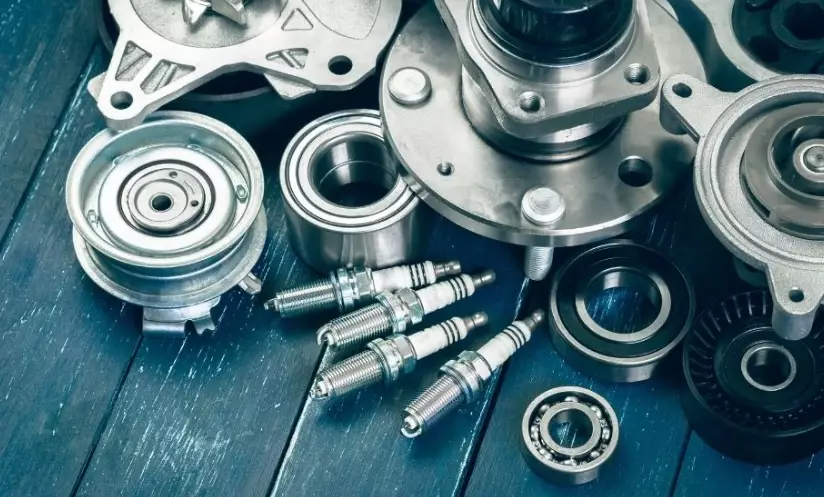
Most people think the price on the box is the total cost. That's the first mistake. The brake pads themselves are just one piece of the puzzle. The total brake pad replacement cost is a combination of parts, labor, and often, additional services your vehicle might need at the same time.
Think of it like getting a haircut. The scissors (the brake pads) have a cost, but you're really paying for the barber's skill and time (labor). And if you need a wash and style too (like rotor resurfacing), that's extra.
The Bottom Line Up Front: For a typical sedan like a Honda Civic or Toyota Camara, a standard brake pad replacement at an independent shop for one axle (either front or rear) will often land in the $150 to $300 range. At a dealership, expect that to be closer to $250 to $400 per axle. Luxury cars, trucks, and performance vehicles push those numbers much higher.
What Drives the Price Up or Down? Key Factors
Let's dissect the main ingredients that go into your final bill.
1. Your Vehicle: Economy Car vs. Luxury SUV
This is the biggest factor. Parts for a common car are mass-produced and cheap. Parts for a Porsche Cayenne or a Ford F-150 are larger, sometimes use more exotic materials, and have lower production volumes. A set of basic ceramic pads for a Civic might cost $40. The same quality tier for a heavy-duty truck could be $120.
2. Brake Pad Material: Ceramic, Semi-Metallic, or Organic
You're choosing a balance between performance, noise, dust, and price.
- Organic/Non-Asbestos Organic (NAO): The old standard. Cheap and quiet, but they wear fast and produce a lot of black dust. Rarely used as OE now.
- Semi-Metallic: The common, affordable upgrade. Great for performance and heat dissipation, but they can be noisy and are harsher on rotors. Prices are moderate.
- Ceramic: The premium choice for daily drivers. Virtually dust-free, extremely quiet, and easy on rotors, but they usually cost 20-50% more than semi-metallics. They also may not bite as well when cold.
My take? For 90% of drivers, ceramic pads are worth the extra $20-$40 per axle. The lack of wheel dust alone saves you hours of cleaning.
3. Brand: OEM, Premium Aftermarket, or Budget
You can buy the exact part your car was born with (OEM), a high-quality equivalent from brands like Akebono, Wagner, or Bosch, or a no-name budget option. OEM pads from the dealer carry a hefty premium. A premium aftermarket brand often matches or exceeds OEM quality for less money. Budget pads? They might get the job done, but wear life and consistency can be a gamble. I've seen cheap pads wear out in 15,000 miles, while a good set lasts 50,000.
4. Where You Get the Work Done: Dealership, Independent Shop, or Chain
Dealerships have the highest labor rates—often $150/hr or more. They use OEM parts and their techs are specialists. Independent shops ($80-$120/hr) offer more flexibility on parts and can provide great value. National chains (Midas, Firestone) fall somewhere in between; they're convenient but their upselling can be aggressive.
5. Your Location
Labor rates in Manhattan or San Francisco are nothing like rates in a small Midwest town. Shop overhead dictates price.
| Vehicle Type | Pad Material | Estimated Parts Cost (Per Axle) | Estimated Total Cost (Parts & Labor) |
|---|---|---|---|
| Compact Sedan (e.g., Honda Civic) | Ceramic | $50 - $80 | $180 - $280 |
| Midsize SUV (e.g., Ford Explorer) | Semi-Metallic | $70 - $120 | $220 - $350 |
| Luxury Sedan (e.g., BMW 3 Series) | OEM Ceramic | $120 - $200 | $350 - $550 |
| Full-Size Truck (e.g., Ram 1500) | Heavy-Duty Semi-Metallic | $100 - $180 | $300 - $500 |
A Detailed Cost Breakdown: Parts, Labor & Hidden Fees
Let's follow the money on a typical job for a 2018 Honda Accord front brake pad replacement.
1. Parts Cost: A quality aftermarket ceramic pad set: $65.
2. Labor Cost: The book time for this job is about 1.0 to 1.5 hours. At an independent shop rate of $100/hr: $125.
Subtotal (Pads + Labor): $190
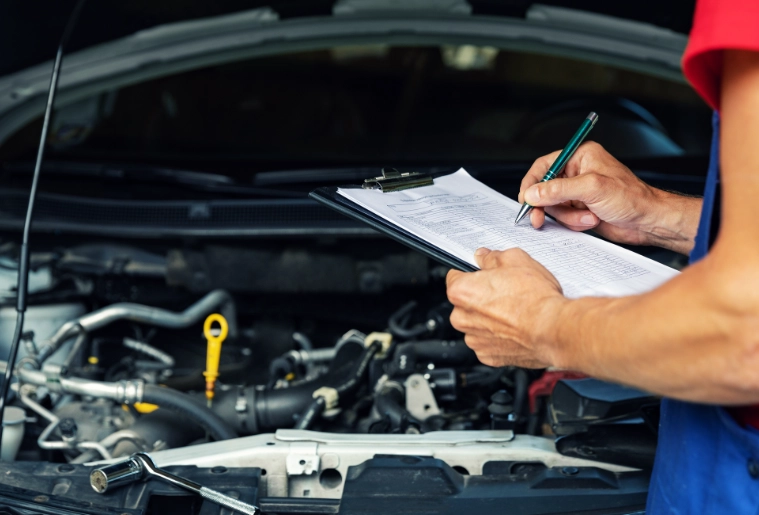
3. The "While You're in There" Costs (The Potential Hidden Fees): This is where bills inflate. Mechanics should inspect the rotors. If they are worn, warped, or scored, they need attention.
- Rotor Resurfacing/Cutting: If thickness allows, machining rotors smooth costs $20-$30 per rotor. For two front rotors: $60.
- Rotor Replacement: If rotors are too thin, they must be replaced. Two new rotors could add $120-$200 to the parts bill.
4. Additional Supplies: New brake hardware (springs, clips) for $15 and a bottle of brake fluid for $10. Many shops include these; some itemize them.
Realistic Final Bill Scenarios:
- Just Pads & Labor: $190
- Pads, Labor, Resurfaced Rotors: $250
- Pads, Labor, New Rotors: $350 - $450
See how it jumps? Always ask for a detailed estimate that includes rotor condition.
DIY Brake Pad Replacement: Is It Worth the Savings?
Doing it yourself can slash the cost to just the parts. For our Accord example, you'd pay $65 instead of $190+. The savings are real. But.
You need tools: a jack, jack stands, a lug wrench, a C-clamp or piston tool, and basic sockets. You need space. You need to know how to retract the caliper piston properly (some require a special twist tool). You must avoid getting air in the brake lines. And you absolutely must torque the lug nuts correctly.
I've been doing my own brakes for years. My first time took me 4 hours and I was terrified. Now it takes 45 minutes. If you're moderately handy and watch a few videos specific to your car model, it's a very achievable job. The money you save buys the tools. But if the thought of touching your brakes makes you nervous, pay the professional. It's not the place to learn basic mechanics.
How to Save Money on Your Next Brake Job
You don't have to pay top dollar.
- Get Multiple Quotes: Call 2-3 shops. Ask for an "out-the-door" price for pad replacement on a specific axle, and ask how they assess rotors.
- Ask About Aftermarket Brand Options: "Do you have an Akebono or Wagner option instead of OEM?" This shows you're informed.
- Buy the Parts Yourself (Carefully): Some shops allow you to bring your own parts. You can shop online at RockAuto or AutoZone for deals. Warning: the shop's labor warranty won't cover your parts if they fail.
- Look for Service Coupons: Chains and some independents regularly run brake service specials. Just ensure the coupon is for a complete job, not a "starting at" teaser.
- Consider All Four Wheels? If your front and rear pads are both worn, some shops offer a small discount for doing both axles at once.
Your Brake Pad Cost Questions, Answered
Can I just replace the brake pads on one axle?
Technically, yes. But it's a safety and performance compromise. Brakes are designed for balanced front/rear braking. If one axle has 80% life and the other has 10%, your car won't stop as predictably. Most mechanics recommend replacing pads in axle sets (both fronts or both rears) at a minimum. Replacing all four at once is ideal for consistency.
How often should brake pads be replaced?
There's no fixed mileage. It depends on your driving style, city vs. highway use, and pad material. Listen for high-pitched squealing (wear indicators) or grinding (metal-on-metal). Visually, pads should have more than 3-4mm of friction material left. Most pads last between 30,000 and 70,000 miles.
What's the difference between a $30 brake pad and a $90 brake pad?
Beyond brand markup, you're paying for material quality, research, and testing. The cheap pad might use inferior bonding agents, leading to chunks breaking off. Its friction material might fade quickly when hot. The expensive pad will have more stable friction characteristics, produce less dust, be rigorously tested for noise, and last longer. In brakes, you often get what you pay for in longevity and smooth operation.
Are performance brake pads worth the extra cost for a regular driver?
For a pure daily driver, usually not. High-performance pads (like Hawk or EBC) are designed for extreme heat on a race track. They often need to be warm to work well and can be very noisy and dusty on the street. Stick with a high-quality ceramic or semi-metallic pad designed for street use.
Does my car's warranty cover brake pad replacement?
Almost never. Brake pads are considered a wear-and-tear item, like tires or wiper blades. Some new cars come with a short-term "service adjustment" period, but long-term, you pay. Some repair shops and parts retailers offer their own warranty on the parts and labor.