Let's be honest, nobody gets excited about battery replacement costs. It's one of those inevitable expenses that feels like a surprise bill. Whether it's your car refusing to start on a cold morning, your phone dying before lunch, or your laptop becoming a desktop PC, a worn-out battery hits your wallet and your plans. The price tag isn't just about the battery itself. It's a mix of parts, labor, where you go, and a few hidden fees most people don't see coming. I've spent years talking to mechanics, repair techs, and EV owners, and the biggest mistake people make is only comparing the sticker price of the battery. The real cost is often buried in the details.
What's Inside This Guide
What Determines Your Battery Replacement Cost?
Think of battery replacement like buying a pair of shoes. A basic pair from a discount store costs way less than custom-made leather boots. Batteries work the same way. The final bill hinges on a few key things.
The Battery Itself. This is the obvious one. A standard lead-acid car battery is cheap, maybe $50-$150. An Absorbent Glass Mat (AGM) battery for a car with start-stop technology? That can jump to $200-$300. For an iPhone, a third-party battery might be $30, while a genuine Apple battery costs over $80. The chemistry, capacity (measured in Ah for cars, mAh for phones), and brand name create a huge price range.
Your Device Brand and Model. Luxury equals cost. Replacing the battery in a Toyota Corolla is straightforward. Replacing it in a BMW 7-Series often requires registering the new battery to the car's computer, which adds labor and diagnostic time. Apple and Tesla control their parts and repair ecosystems tightly, which generally means higher prices compared to generic Android phones or other car brands.
Where You Get It Done (The Labor & Markup Factor). This is where people get blindsided. The dealership has the highest labor rates and parts markup. An independent mechanic or local repair shop will almost always be cheaper. Doing it yourself saves labor but comes with risks—you could void a warranty or, with car batteries, cause electrical issues if not done correctly.
The Hidden Fees Everyone Misses
Here's the expert insight most blogs don't mention: the quoted price rarely includes everything.
Diagnostic/Service Fee: Many shops charge $50-$150 just to hook up their scanner and confirm the battery is the problem. Always ask if this fee is waived if you proceed with the repair.
Battery Programming/Registration: Most modern cars (roughly 2002 and newer) need the new battery registered to the vehicle's Battery Management System (BMS). This tells the car's computer a new battery is installed so it can charge it correctly. Skipping this can shorten the new battery's life. This service adds $30-$100 to the bill.
Core Charge: This is a refundable deposit on your old, dead battery. It encourages recycling. It might add $10-$20 to your upfront cost, which you get back when you return the old core.
Disposal/Environmental Fees: A small fee, usually $5-$15, for the shop to safely dispose of the old, hazardous battery.
Battery Replacement Costs: A Detailed Breakdown by Device
Let's put some real numbers on the table. These are average ranges based on current market research and my own survey of service centers. Your exact cost will vary by location and specific model.
| Device Type | Battery Cost (Parts Only) | Professional Installation (Labor) | Estimated Total Cost Range | Best For... |
|---|---|---|---|---|
| Conventional Car (Lead-Acid) | $50 - $150 | $20 - $80 | $70 - $250 | DIY or independent mechanic. Avoid dealership for this simple job. |
| Car with AGM/Start-Stop | $200 - $350 | $50 - $120 (may include registration) | $250 - $500 | Specialist or dealer if programming is complex. |
| Smartphone (e.g., iPhone 13) | Third-party: $30-$50 Genuine: $80-$100 |
$0 (DIY kit) - $80 (Apple Store) | DIY: $30-$50 Third-party shop: $70-$100 Apple Store: ~$90 (battery service fee) |
> DIY if confident; otherwise, certified third-party for best value. |
| Laptop (e.g., MacBook Air) | $80 - $200 | $50 - $150 (highly variable) | $130 - $400+ | >Authorized service providers. Laptop disassembly is tricky. |
| Electric Vehicle (EV) Battery Pack | $5,000 - $20,000+ | $500 - $2,000+ | $5,500 - $22,000+ | >Dealership or certified EV technician ONLY. |
A quick story about laptops. My 3-year-old Dell started lasting only an hour. The official service center quoted $280 for battery and labor. A reputable local shop did it for $160 with a high-quality aftermarket battery. It's been perfect for two years. The moral? Always get a second quote, even for "simple" devices.
How to Save on Battery Replacement: Pro Tips
You don't have to pay top dollar. A little strategy goes a long way.
Get Multiple Quotes, and Be Specific. Don't just call and ask "How much for a battery?" Say, "I have a 2018 Honda CR-V. Can you give me an all-inclusive quote for a new AGM battery, including installation, registration to the BMS, and any diagnostic or disposal fees?" This forces them to give you the real out-the-door price.
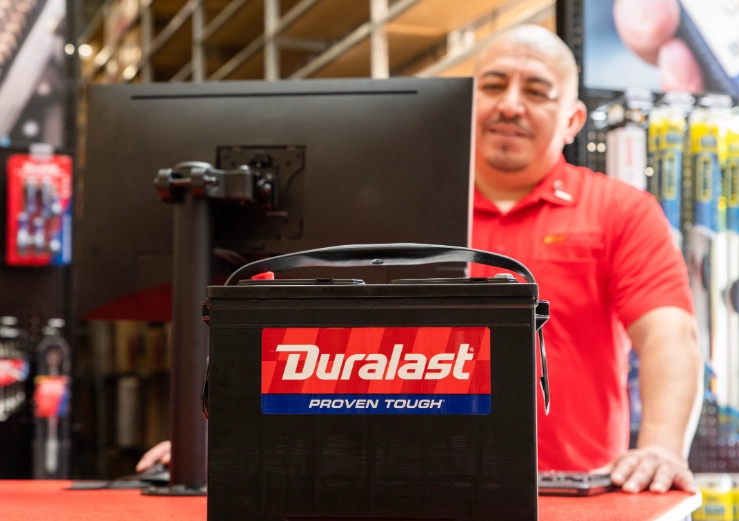
Consider Aftermarket vs. OEM (Original Equipment Manufacturer). For car batteries, brands like Interstate, DieHard, or Duralast are often just as good as the OEM battery, which is usually made by one of these companies anyway. For phones, high-quality third-party batteries from reputable suppliers (like iFixit kits) can be excellent. The risk is lower quality control. For EVs, stick with OEM or certified remanufactured packs.
DIY: Know Your Limits. Swapping a car battery is often simple: disconnect negative, then positive, swap, reconnect positive, then negative. Watch a YouTube video for your specific model. For phones and laptops, if you're not comfortable with tiny screws and ribbon cables, don't start. The cost of fixing a mistake is higher than the labor you saved.
Look for Coupons and Seasonal Promotions. Auto parts chains like AutoZone, Advance Auto Parts, and O'Reilly frequently run "free installation with purchase" promotions or online coupons. Battery replacement services sometimes offer discounts in spring and fall.
Ask About Warranty, Not Just Price. A cheaper battery might have a 1-year warranty. A slightly more expensive one might have a 3-year free replacement warranty. Over the life of your vehicle, the longer warranty could save you more money.
Navigating the EV Battery Replacement Maze
EV battery replacement cost is the elephant in the room. The numbers are scary, but the reality is more nuanced.
First, calm down. Most EV batteries are designed to last the life of the car, often 10-15 years or 100,000-200,000 miles. They come with long warranties, typically 8 years/100,000 miles, that guarantee against failure and excessive degradation (usually below 60-70% of original capacity).
The $20,000 replacement figure is usually for the entire, massive battery pack. A more common and affordable scenario is module replacement. Modern EV packs are made of modules. If one module fails or degrades badly, a specialist can replace just that section for a fraction of the cost—think $2,000-$5,000 instead of $20,000. This isn't advertised widely, but it's a growing service offered by specialized independent EV shops.
According to a study by the National Renewable Energy Laboratory (NREL), battery failure rates are actually quite low. The bigger concern for owners is gradual capacity loss. After 5-8 years, you might have 80-85% of your original range. For most daily driving, that's still plenty. The fear of a sudden $20,000 bill is largely overblown for newer EVs under warranty.
If you're buying a used EV, get a diagnostic report on the battery's State of Health (SoH). This is the single most important number. A car with 90% SoH is a much better bet than one with 75%, even if they're the same price.