You slide into the driver's seat, ready to go. You turn the key. Nothing happens. No cranking, no struggling engine noise. Not even a single, solitary click from under the hood. Just silence. It's one of the most frustrating feelings for a car owner. That "car won't start no clicking" scenario can leave you stranded and stressed. But here's the good news: this specific symptom is a huge clue. It narrows down the problem dramatically, usually pointing to an issue in the electrical circuit that commands the starter motor, not the engine itself. I've been fixing cars for over a decade, and I can tell you most people immediately assume the worst—a dead starter. They waste money replacing it, only to find the problem persists because they missed a simple, corroded connection. Let's walk through the exact, logical process I use in my shop to diagnose this, starting with the simplest (and cheapest) possibilities first.
What You'll Find Inside
Understanding the ‘No Click’ Scenario
When you turn the key to "start," a chain reaction should occur. The ignition switch sends a small electrical signal to a relay (often called the starter relay). This relay acts like a high-power switch, sending a massive burst of current from the battery to the starter solenoid. That loud "CLICK" you normally hear is the solenoid engaging, which then connects power to the starter motor itself, causing it to spin and crank the engine.
No click means that initial signal isn't getting through, or the components that make the click (the solenoid or relay) aren't getting enough power to activate. This immediately rules out a lot of common "no-start" issues like a bad fuel pump, clogged filter, or failed ignition coil. Those problems usually let the engine crank but not fire up. Your problem is almost certainly electrical and resides somewhere between the battery and the starter solenoid.
The Step-by-Step Diagnostic Process
Do not just start throwing parts at the problem. Follow this sequence. It's designed to test the easiest and most common fixes before you dig deeper. You'll need a basic multimeter for some steps, a cheap tool that's worth its weight in gold.
Step 1: The Obvious First – Battery Voltage
Even if your interior lights come on, it doesn't mean the battery has enough oomph to engage the starter solenoid. Those lights need far less power. Set your multimeter to DC Volts (20V range). Touch the red probe to the positive (+) battery terminal and the black to the negative (-). A healthy, fully charged battery should read at least 12.6 volts with the car off. Anything below 12.0 volts is suspiciously low for starting. Try turning the headlights on for 30 seconds and then check the voltage. If it drops below 11.5 volts, your battery is likely discharged or failing.
Step 2: Inspect Battery Terminals and Cables
This is where most DIYers mess up. They see clean-looking terminals and move on. You need to wiggle them. Corrosion builds up under the clamp, out of sight, creating high resistance. That resistance kills the hundreds of amps needed for the starter. Disconnect the cables (negative first!). Scrape the inside of the clamps and the battery posts until they shine with metal. Reconnect tightly (positive first, then negative). A personal story: my own truck had this exact issue. Lights worked fine, but no click. The positive terminal looked okay, but when I removed it, the underside was a crusty, blue-green mess. A five-minute clean with a wire brush fixed it.
Step 3: Check the Ground Connection
The battery's negative cable doesn't just end at the terminal. It's bolted to the car's metal frame or engine block. This is the ground connection, and it's just as critical as the positive side. Find where the main negative cable bolts to the chassis or engine. It's often near the battery. Check for rust, paint, or looseness. Clean the contact area with sandpaper and ensure the bolt is tight.
Step 4: Listen for the Starter Relay Click
Find your starter relay. It's usually in the under-hood fuse box. Consult your owner's manual for its location. Have a helper turn the key to "start" while you put your finger on the relay. You should feel and hear a distinct, soft click from the relay itself. No click here points to a problem before the relay (ignition switch, wiring, security system). A click here but no click from the starter means the problem is after the relay (wiring to the starter, the solenoid itself).
Step 5: Directly Test the Starter Solenoid
This is the definitive test. Warning: This involves working near a live, high-current circuit. Be cautious. Locate the starter motor (bolted to the engine, usually near where the engine and transmission meet). You'll see two main terminals: a large one with a thick cable from the battery, and a smaller one (the "S" or "ST" terminal) with a thinner wire. Using a well-insulated screwdriver or a jumper wire, briefly bridge the connection between the large battery terminal and the small "S" terminal. This manually sends the "start" signal, bypassing all car wiring.
If the engine cranks, your starter and solenoid are fine. The problem is in the car's control circuit (ignition switch, relay, or the thin wire). If you get absolutely nothing—no spark, no movement—then the starter or solenoid is likely dead and needs replacement.
Detailed Troubleshooting of Each Culprit
Let's break down what to do when you suspect each component.
| Suspect Component | Specific Symptoms | How to Verify | Typical Fix Cost (Parts Only) |
|---|---|---|---|
| Dead/Weak Battery | Dim lights, weak horn, voltage below 12V, may click once then nothing. | Load test with a multimeter or at an auto parts store (they often do it free). | $100 - $200 |
| Corroded/Loose Battery Cables | Intermittent no-start, especially after humidity. Visible corrosion. | Physical inspection and voltage drop test across cables. | $20 - $60 (for cables) |
| Faulty Starter Relay | No click from relay in fuse box. May have click but no power to starter. | Swap with an identical relay from another slot (like the horn relay). | $10 - $30 |
| Bad Ignition Switch | No power to accessories in "Run" position, or relay doesn't click. May be intermittent. | Test for 12V at the starter relay's control terminal when key is turned. | $50 - $150 |
| Failed Starter Motor/Solenoid | Direct jump test does nothing. Sometimes a single loud *clunk* but no spin. | Direct jump test as described in Step 5. | $150 - $400 |
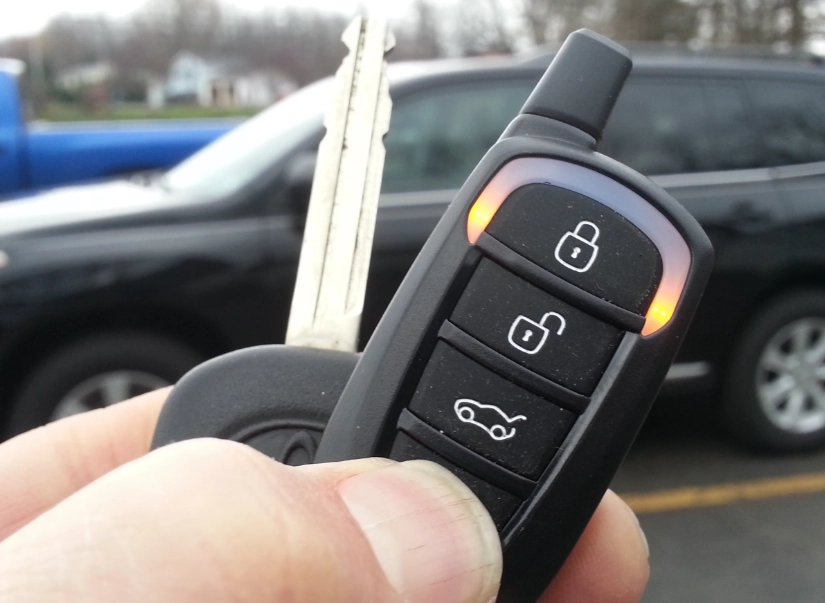
| Security/Immobilizer System | Security light flashing on dash. No click, no crank. Everything else seems normal. | Try a second key. Check for damaged key transponder. | Varies (reprogramming or new key) |
A subtle point most guides miss: that thin wire from the relay to the starter solenoid (the "S" terminal wire) can fray or break inside its insulation, especially where it passes near hot engine parts. It looks fine but is electrically dead. Testing for 12V at the end of this wire when the key is turned is a pro move.
When to Call a Professional: Beyond DIY Fixes
If you've done the direct jump test and the starter still doesn't engage, it's replacement time. While replacing a starter is a common DIY job, it's often in a tight, greasy spot. If you're not comfortable lifting the car safely and wrestling with heavy components, call a mechanic.
Also, if your diagnostics point to the ignition switch or a wiring fault deep in the harness, professional diagnostic tools and wiring diagrams become almost essential. Chasing an electrical gremlin without a schematic is like looking for a needle in a haystack in the dark.
Preventive Measures to Avoid Future Headaches
Avoiding this situation is better than fixing it. Here's what I do to my own vehicles:
- Coat Battery Terminals: After cleaning, smear a thin layer of petroleum jelly or dedicated battery terminal grease over the connections. It prevents corrosive gases from attacking the metal.
- Annual Battery Check: Every fall, before winter, get your battery load-tested. Cold weather exposes weak batteries.
- Mind the Ground: When doing any work, avoid disconnecting or loosening the main ground cable without knowing exactly how to reconnect it properly.
- Listen for Changes: If your starter begins to sound slower or hesitates for a split second before engaging, have the battery and charging system checked soon. It's a warning sign.
Following a logical path saves time, money, and frustration. The "no click" symptom is a clear guidepost. Start with the battery and its connections—you'd be surprised how often that's the only problem.
Frequently Asked Questions (FAQ)
Why would my car have no click but the battery tests as perfectly good at the auto store?
This is classic. The battery might hold voltage but fail under the immense load required by the starter (a "cranking amps" test is different from a simple voltage check). More likely, the problem is the high-resistance connection at the battery terminals or the ground strap. The store test bench has perfect connections; your car's corroded ones do not. Always clean the terminals and ground point first, even if the battery is new.
I can hear a faint, rapid clicking from the dashboard fuse box, but nothing from the engine. What does that mean?
That rapid ticking is the starter relay chattering. It's trying to engage but can't get enough current to latch firmly. This almost always points to a weak battery that has enough voltage to pull the relay in briefly, but then the voltage collapses under load, releasing it, only for the cycle to repeat. Charge or replace your battery. It can also indicate a failing relay itself, but the battery is the prime suspect.
My dashboard lights go completely dark when I turn the key to start. Is that the starter?
Probably not the starter motor itself. This dramatic voltage drop points to an extremely high-resistance connection or a nearly dead battery with a severe internal short. All available power is being sucked into trying to complete the circuit, leaving none for the dashboard. Focus intensely on Step 2 and Step 3: the battery terminals and main ground connection. A loose or utterly corroded terminal is the most common cause of this specific drama.
Could a blown fuse cause a no-click, no-crank situation?
Absolutely. There is usually a high-amperage fuse or fusible link in the line from the battery to the starter. If this blows, power never reaches the starter. Check your main fuse box (often near the battery) for a large fuse labeled "STARTER" or "IGN." Also, many modern cars have a fuse for the starter relay control circuit in the cabin fuse box. Consult your manual. A fuse blows for a reason, though—don't just replace it without investigating for a short circuit.
How can I tell if it's the ignition switch without tearing the steering column apart?
A good trick is to test for power at the starter relay's control socket. Find which pin gets 12V when the key is turned to "start" (use your manual or a wiring diagram online). Back-probe that socket with a multimeter. If you see no voltage there when turning the key, but you have voltage at the fuse, the ignition switch or its wiring is faulty. Sometimes, wiggling the key while in the "start" position can make a failing switch work intermittently, which is another clue.