Car technology isn't just about flashy screens or voice commands that never understand you. It's the silent partner that can stop a crash before it happens, squeeze extra miles from a battery, and turn a tedious highway slog into a relaxed journey. But let's be honest, the marketing can make it sound like your sedan is about to achieve consciousness. My first car had a cassette player and manual windows. The jump to my current car, which beeps if I drift near a line, felt like time travel. The real story is more about steady, practical evolution than revolution. This guide strips away the jargon to show you what these systems actually do, where they excel, and where they still frustrate even experts.
What's Inside This Guide?
- What is Car Technology? Beyond the Hype
- The Three Pillars of Modern Car Tech
- Safety Tech Deep Dive: ADAS Isn't Just One Thing
- Electric Vehicle Tech: More Than Just a Big Battery
- Connectivity & Infotainment: Your Car's Brain
- Simple Buying Advice: What Tech is Worth Paying For?
- Your Car Tech Questions, Honestly Answered
What is Car Technology? Beyond the Hype
Forget the term "smart car." Every new car is now a computer on wheels. Car technology, or automotive tech, broadly refers to the electronic systems and software that enhance safety, efficiency, driver assistance, comfort, and connectivity. It's not a monolith. A basic backup camera is tech. So is Tesla's Full Self-Driving beta. The gap between them is enormous.
The core shift has been from mechanical control to electronic sensor fusion. Your car isn't just feeling the road through the steering rack anymore; it's seeing it with cameras, sensing it with radar, and mapping it with software. This data gets crunched by processors to make decisions—apply the brakes, adjust the suspension, suggest a lane change.
A Quick Reality Check: The most common mistake buyers make is assuming all brands implement the same tech equally. A "lane keeping assist" system from Toyota might feel hesitant and ping-pong you between lines, while the same-named system from Subaru feels confident and smooth. You have to test drive the specific implementation, not just check the box on the features list.
The Three Pillars of Modern Car Tech
To make sense of it all, think in three buckets. Most innovations fit here.
| Pillar | Core Purpose | Key Examples You'll See | User Experience Impact |
|---|---|---|---|
| Safety & Driver Assistance (ADAS) | Prevent accidents, reduce driver workload. | Automatic Emergency Braking (AEB), Blind Spot Monitoring, Adaptive Cruise Control. | Less stress on highways, critical warnings in cities, potential insurance discounts. |
| Powertrain & Efficiency | Improve performance, range, and reduce emissions. | Electric motors & battery management, hybrid systems, turbocharging with direct injection. | Lower fueling costs, instant acceleration, range anxiety (for EVs), different driving style. |
| Connectivity & Infotainment | Keep you informed, entertained, and the car updated. | Apple CarPlay/Android Auto, built-in navigation with live traffic, over-the-air (OTA) updates. | Familiar phone interface in car, real-time route adjustments, no dealership visits for minor fixes. |
Most people interact with Pillar 3 daily. Pillar 1 works silently until it's needed. Pillar 2 is what moves you. Let's dig into each.
Safety Tech Deep Dive: ADAS Isn't Just One Thing
Advanced Driver-Assistance Systems (ADAS) is the umbrella term. It's not autonomous driving. It's assistance. The Insurance Institute for Highway Safety (IIHS) has been a major driver in making these systems standard, and their testing protocols are rigorous. A high IIHS rating for a specific system (like headlights or front crash prevention) is a reliable buying signal.
Adaptive Cruise Control (ACC): Your Highway Co-Pilot
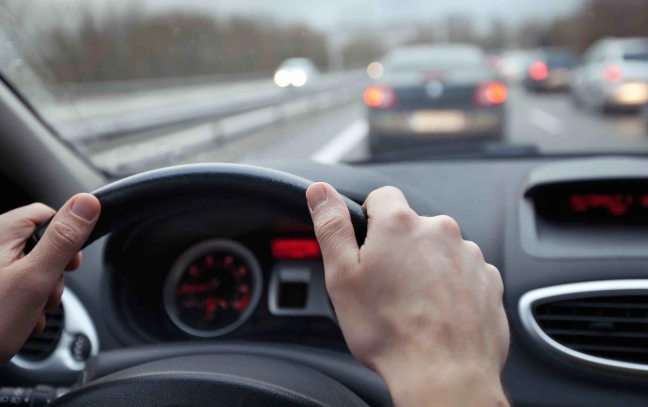
Traditional cruise control holds a speed. ACC uses radar or a camera to maintain a set distance from the car ahead, slowing down and speeding up with traffic. The game-changer is "stop-and-go" ACC, which can bring the car to a complete stop in traffic and resume moving. On a 4-hour interstate drive, this cuts mental fatigue in half. But not all ACC is equal. Cheaper systems can be jerky during deceleration. Heavy rain or snow can confuse the sensor, causing it to disengage unexpectedly.
Automatic Emergency Braking (AEB): The Guardian Angel
This is the big one. Using cameras, radar, or both, AEB detects an imminent collision with a car, pedestrian, or cyclist and applies the brakes if you don't. IIHS data shows it reduces rear-end collisions by 50%. There are two parts: Forward Collision Warning (FCW) beeps at you first. If you ignore it, AEB kicks in. The subtle detail most miss? Some systems only work at city speeds (under 35 mph), while others are "full-speed range." Always ask which one you're getting.
Lane Keeping Tech: A Double-Edged Sword
This includes Lane Departure Warning (LDW) (beeps if you drift) and Lane Keeping Assist (LKA) (gently steers you back). LKA is fantastic on clearly marked highways. On older city roads with faded lines, it can get confused and tug the wheel unexpectedly, which is more alarming than helpful. I often turn it off for city driving.
Electric Vehicle Tech: More Than Just a Big Battery
The battery is the gas tank, but the tech around it defines the experience.
Regenerative Braking: This captures energy during deceleration and sends it back to the battery. You can often adjust its strength. On "one-pedal driving" mode (like in many EVs), lifting off the accelerator provides strong regen, slowing the car significantly so you rarely touch the brake pedal. It's efficient and changes how you drive.
Battery Thermal Management: This is the unsung hero. A good system (liquid-cooled is best) keeps the battery at an ideal temperature for performance, fast charging, and long-term health. A poorly managed battery will charge slowly in hot or cold weather and degrade faster. When comparing EVs, look into the cooling system—it's a major differentiator.
Charging Software & Route Planning: Built-in nav systems in EVs (Tesla's is the benchmark) don't just find a charger; they precondition the battery on the way to a fast charger, telling you how many stalls are free and how long you need to stay to reach your destination. Relying on a phone app like PlugShare is possible, but the integrated experience is smoother.
Connectivity & Infotainment: Your Car's Brain
This is the most visible tech and the source of most complaints. The rule of thumb: simpler is better.
- Apple CarPlay & Android Auto: These are non-negotiable for me. They project your phone's maps, music, and messaging apps onto the car's screen using a familiar, updated interface. The car's own system becomes irrelevant. Wireless versions are convenient but can sometimes have connection hiccups.
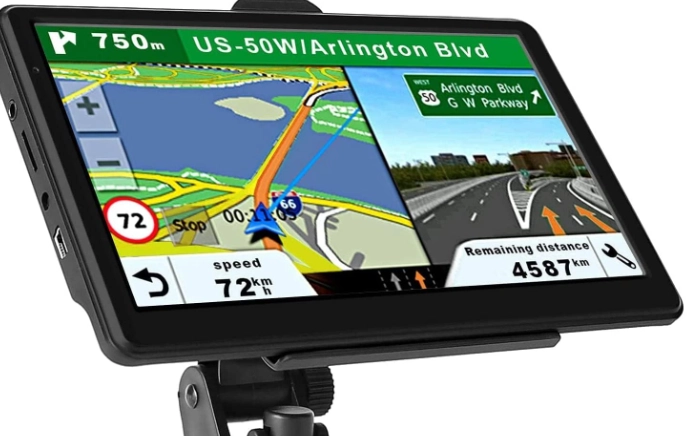
- Built-in Navigation: It's useful if it includes live traffic via a built-in cellular connection (often a subscription after a trial). Otherwise, your phone is better.
- Digital Instrument Clusters & Head-Up Displays (HUD): Putting speed, nav directions, and alerts directly in your line of sight is a genuine safety and convenience win. You stop looking down at the dashboard.
- Over-the-Air (OTA) Updates: Pioneered by Tesla, this allows the manufacturer to fix bugs, improve performance, or add features via WiFi, like a phone update. It future-proofs the car. More brands are adopting it, but check if it's for just the infotainment or for critical driving systems too.
Simple Buying Advice: What Tech is Worth Paying For?
Based on a decade of watching these systems evolve, here's my prioritized list for your next car purchase.
Must-Haves (Prioritize These):
- Automatic Emergency Braking (AEB) with Pedestrian Detection: This is becoming standard, but verify it's included.
- Apple CarPlay/Android Auto: The best way to ensure your infotainment doesn't feel obsolete in 3 years.
- A good backup camera: Wide, high-resolution, with dynamic guidelines. Also standard now, but quality varies.
- Blind Spot Monitoring: A literal lifesaver on multi-lane roads.
Worth the Upgrade (If Budget Allows):
- Adaptive Cruise Control with Stop-and-Go: If you commute on highways or take road trips.
- A ventilated seat: Not high-tech, but a game-changer for comfort.
- A responsive touchscreen: Laggy screens ruin the experience. Test it.
Nice-to-Haves (Don't Break the Bank):
- 360-degree camera system (great for tight parking).
- Head-Up Display (HUD).
- Wireless phone charging (if you have wireless CarPlay/Android Auto).
Often Overhyped: Gesture controls, overly complex voice assistants that aren't Siri/Google Assistant, massive screens that bury climate controls in menus.
Your Car Tech Questions, Honestly Answered
How reliable is Tesla's Autopilot for highway driving?
It's a capable Level 2 system for reducing fatigue on long, predictable highway stretches. The lane-keeping and adaptive cruise are generally smooth. However, you must keep your hands on the wheel and eyes on the road. It can struggle with sudden, sharp curves, heavy rain obscuring camera vision, or erratic behavior from other drivers. Think of it as a sophisticated assistant, not a replacement for your attention. The system's performance can also vary significantly between software updates.
Do electric cars really save money compared to gas cars with current technology?
The math is highly situational. Yes, you save on 'fuel' and maintenance (no oil changes, fewer brake jobs with regen). But the upfront price is usually higher. To see real savings, you need to drive a lot of miles annually and have access to cheap home charging. Public fast charging costs are creeping up. Also, consider your local electricity rates and potential future changes to EV incentives or taxes. For a low-mileage driver, the payback period might be very long, or never materialize if battery replacement becomes a major cost down the line.
My car's blind spot monitor keeps beeping in city traffic. Is it broken or just annoying?
It's likely working as designed, but the design isn't perfect for dense urban environments. These radar or camera-based systems detect objects in adjacent lanes. In city traffic with constant lane changes, cyclists filtering through, and tight spaces, it's constantly detecting valid threats. You can't turn it off permanently on most cars, which is a safety oversight. The fix is often a software setting to adjust sensitivity or alert timing, but many dealers don't know how to access it. It's a classic case of a good highway tech being poorly adapted for city use.
What's the one car tech that's most overhyped but actually useful?
Gesture controls for infotainment. They're marketed as futuristic but are often imprecise and distracting. The genuinely useful but under-sold tech is a good, old-fashioned heated steering wheel. It sounds simple, but in cold climates, it makes the first 10 minutes of any drive dramatically more comfortable than any voice command or giant screen ever could. It addresses a direct, physical human need. Another is ventilated seats—once you have them in summer, you'll never want a car without them. These 'comfort' technologies have a more immediate and consistent positive impact on daily driving than many flashier gimmicks.
The goal isn't to have the most tech, but the right tech that works for you. Test it before you buy. Read owner forums to see real-world complaints. A smooth, reliable adaptive cruise system you'll use every day is infinitely more valuable than a gimmicky self-parking feature you'll try once. The technology is here to serve you, not the other way around. Find the balance that makes driving safer and less of a chore, and you've won.