Let's be honest. When you think about car care, oil changes and brake pads come to mind first. Wheel alignment and balancing? They're often an afterthought, something you get around to when the steering wheel shakes so badly it feels like a massage chair gone rogue. That's a mistake. After seeing hundreds of cars with prematurely worn tires and owners facing hefty, avoidable bills, I can tell you this: understanding and maintaining proper alignment and balance is one of the most cost-effective things you can do for your vehicle. It's not just about a smooth ride; it's about safety, saving money, and getting the performance you paid for.
What You'll Learn in This Guide
- Alignment vs. Balancing: The Crucial Difference
- Why You Absolutely Need Both Services
- Symptoms Checklist: Is Your Car Telling You Something?
- What Actually Happens During the Service?
- How Much Should You Expect to Pay?
- Where to Get It Done: Dealership, Chain, or Specialist?
- The Truth About DIY Alignment and Balancing
- Your Questions, Answered by a Pro
Alignment vs. Balancing: They Are Not the Same Thing
This is the biggest point of confusion. People use the terms interchangeably, but they address completely different issues. Getting this wrong means you might pay for the wrong service.
Wheel Alignment is about angles. It adjusts the angles of your wheels relative to each other and to the car's body. Think of it as setting the posture of your car's feet. The three key angles are toe, camber, and caster. Misalignment happens when you hit a pothole, curb, or when suspension components wear out over time.
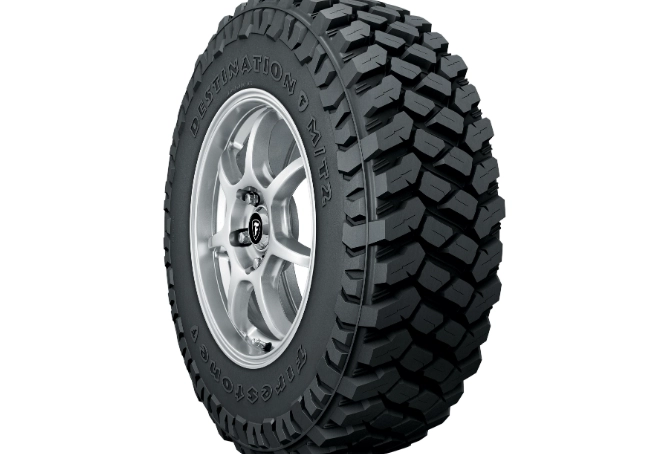
Wheel Balancing is about weight distribution. A tire and wheel assembly is never perfectly balanced. Heavier spots cause vibration because they create a wobble as they spin. Balancing involves placing small counterweights on the wheel rim to offset these heavy spots.
Here’s a simple way to remember: Alignment affects steering and tire wear patterns. Balancing affects vibration and ride smoothness.
| Aspect | Wheel Alignment | Wheel Balancing |
|---|---|---|
| Core Problem | Incorrect wheel angles | Uneven weight distribution |
| Primary Symptom | Car pulls left/right, uneven tire wear | Vibration in steering wheel, seat, or floorboard |
| When It's Needed | After impact, suspension work, or every 2-3 years | When new tires are mounted, or when vibration occurs |
| Equipment Used | Laser alignment machine, turn plates | Electronic balancer, wheel weights |
Why You Absolutely Need Both Services
Skipping these isn't just about a minor annoyance. The consequences are real and hit your wallet and safety.
Safety First
A severely misaligned car can pull unexpectedly during braking or in wet conditions, compromising control. The National Highway Traffic Safety Administration (NHTSA) lists tire-related issues as a critical factor in vehicle safety. Vibration from unbalanced wheels can fatigue steering and suspension components over time, potentially leading to premature failure.
Money in Your Pocket
This is the big one. Misalignment is a tire killer. It causes scalloping or feathering wear, meaning you might need new tires at 20,000 miles instead of 50,000. A set of tires can cost $500-$1000. An alignment costs $80-$150. The math is painfully obvious. Poor balance also accelerates wear, creating uneven flat spots on your tread.
Performance and Comfort
Your car was engineered to track straight with minimal input. Proper alignment restores that. Balancing eliminates those annoying vibrations that start at 60 mph and make long drives exhausting. You get better fuel economy because rolling resistance is reduced when the tires meet the road correctly.
Symptoms Checklist: Is Your Car Telling You Something?
Don't wait for the steering wheel to rip out of your hands. Look for these earlier, subtler signs.
Signs You Need a Wheel Alignment:
- The Pull: Your car drifts to the left or right when you take your hands off the wheel on a flat, straight road. (Test this safely on an empty road).
- Off-Center Steering Wheel: You're driving straight, but your steering wheel is cocked to the left or right by 5 degrees or more.
- Uneven Tire Wear: Check your tread. Is one shoulder (edge) of the tire more worn than the other? That's classic misalignment wear. Run your hand across the tread—feathered or scalloped edges are a dead giveaway.
- Squealing Tires: In mild cases, even at low speeds, you might hear tire squeal because they're scrubbing against the pavement instead of rolling freely.
Signs You Need Wheel Balancing:
- Vibration: This is the hallmark. Vibration in the steering wheel usually means front wheel imbalance. Vibration in the seat or floorboard points to the rear wheels.
- Speed-Specific: The vibration typically starts at a certain speed (often 55-70 mph), gets worse, and then may lessen at even higher speeds.
- After New Tires: Always get new tires balanced. If you feel vibration right after installation, go back—the balance job might be off.
What Actually Happens During the Service?
Knowing what to expect demystifies the process and helps you spot a shoddy job.
The Alignment Process (Step-by-Step)
1. Pre-Alignment Check: A good technician will check tire pressure, inspect suspension and steering components for wear (ball joints, tie rods), and look for obvious damage. Aligning a car with worn parts is pointless.
2. Mounting Sensors: Your car is driven onto a rack. Targets or sensors are attached to all four wheels.
3. Computer Measurement: The alignment machine (like Hunter Engineering's Hawkeye) uses lasers or cameras to measure the current toe, camber, and caster angles against the manufacturer's precise specifications for your make, model, and sometimes even trim level.
4. Adjustment: The technician adjusts these angles by loosening and turning specific bolts on your suspension—usually at the tie rods (for toe) and strut mounts or control arms (for camber). This is the skilled part.
5. Verification and Test Drive: Final measurements are taken to confirm everything is in the "green." A short test drive by the tech should confirm the pull is gone and the wheel is centered.
The Balancing Process
1. Mounting on the Machine: The tire and wheel assembly is mounted on an electronic balancer.
2. Spin and Measure: The machine spins the wheel at high speed to detect static and dynamic imbalance—essentially where and how much it wobbles.
3. Weight Application: The machine tells the tech exactly where and how much weight to apply. Small adhesive or clip-on weights are attached to the wheel rim's inner and outer edges to counterbalance the heavy spots.
4. Re-spin and Verify: The wheel is spun again to confirm the vibration is within acceptable limits (often measured in grams).
How Much Should You Expect to Pay?
There's no single price. It varies wildly.
Wheel Alignment Cost: A standard two-wheel alignment (for front wheels only, common on non-adjustable rear suspension cars) typically runs $50-$90. A four-wheel alignment is $100-$200. Luxury cars, trucks with lifted suspensions, or cars requiring special procedures (like certain German models) can cost more.
Wheel Balancing Cost: Per wheel, expect $15-$50. A standard four-wheel balance is often $60-$150. The price depends on the type of weights used (standard vs. stick-on alloy weights) and the shop's rates.
Many shops offer a package deal when you buy new tires: mount, balance, alignment, and disposal for a bundled price. This is almost always a good value.
What affects the price? Your location (urban vs. rural), the shop type (dealership vs. independent), your vehicle type, and whether any suspension parts need replacement before alignment can be performed.
Where to Get It Done: Dealership, Chain, or Specialist?
Each has pros and cons.
Car Dealership: They have the exact specs for your car and factory-trained techs. Often the most expensive option. Good for complex alignments on newer, tech-heavy vehicles.
National Tire Chains (Firestone, Goodyear, Discount Tire): Competitive pricing, frequent coupons, and lifetime alignment packages (where you pay once and get free checks/adjustments for as long as you own the car). Consistency can vary by location.
Independent Auto Repair Shop: Can offer great personalized service and value. Look for one with modern computer alignment equipment and good online reviews specifically mentioning alignment work.
Specialist (Frame/Axle Shop): For severe cases after an accident where structural measurements are needed, this is the only place to go.
My advice? For a standard car, a reputable national chain with a lifetime alignment package is hard to beat if you plan to keep the car. Ask to see the alignment printout before and after—any reputable shop will provide this.
The Truth About DIY Alignment and Balancing
I'll be blunt: Don't try to DIY an alignment. The string-and-tape measure method you see online is for race cars on a perfectly flat surface, not for setting daily driver specs to within tenths of a degree. You lack the precise reference plane and measuring tools. You'll likely make it worse.
Balancing? It's theoretically possible with a static balancer, but it's tedious, less accurate than a dynamic spin balancer, and not worth the investment for the once-every-few-years you need it. Leave it to the pros with the right equipment.