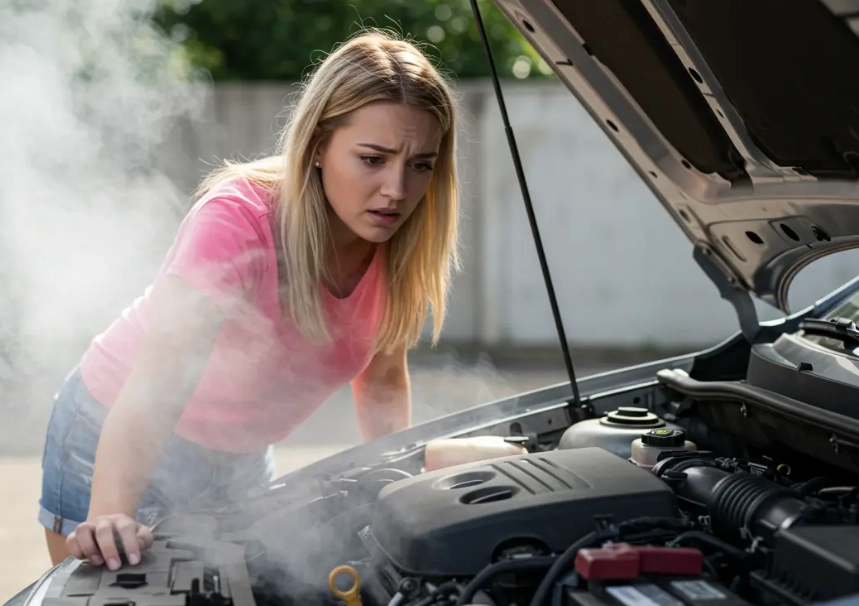
That temperature needle creeping into the red zone is one of the worst feelings for a driver. It's not just an inconvenience; it's a flashing red warning that your engine is cooking itself. Most drivers panic, pull over, and hope for the best. But understanding the actual engine overheating causes turns panic into a plan. I've spent over a decade in the shop, and the story is almost never just "the radiator." It's a system failure, and diagnosing it correctly saves you thousands. Let's cut through the generic advice and get into what's really going on under the hood.
What's Inside This Guide?
Common Causes of Engine Overheating: It's Rarely Just One Thing
Think of your cooling system as a team. When it overheats, one player is slacking, or the whole play has broken down. Here are the usual suspects, ranked by how often I see them.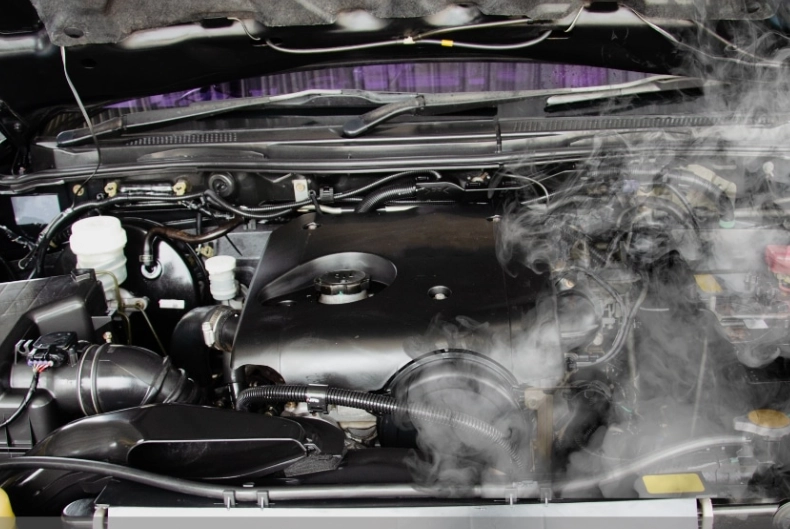
Coolant Leaks: The Silent Killer
This is the number one culprit. Your engine needs a specific volume of coolant to absorb and carry away heat. A leak reduces that volume. The scary part? Small leaks evaporate on hot engine parts, leaving no puddle. You just slowly lose coolant until one day, there isn't enough. Common leak points: radiator hoses (they get brittle), the radiator itself (corrosion), the water pump (weep hole), and heater core lines. A pressure test is the only sure way to find them all.
Thermostat Failure: Stuck Shut or Stuck Open
The thermostat is a temperature-controlled valve. It stays closed to let the engine warm up quickly, then opens to let coolant flow to the radiator. If it sticks shut, coolant circulates only in the engine block—a guaranteed overheat. If it sticks open, the engine takes forever to warm up and may run too cool in winter, hurting efficiency and emissions. A failed thermostat is a cheap part but a critical failure.
Cooling Fan Failure: No Airflow at Low Speeds
At highway speeds, air rams through the radiator. In traffic or at idle, electric cooling fans pull air through. If the fan motor dies, the relay fails, or the temperature sensor doesn't trigger it, you'll watch the gauge climb at every stoplight, then drop once you start moving. Listen for the fan kicking on after 10-15 minutes of idling on a warm day. Silence is a bad sign.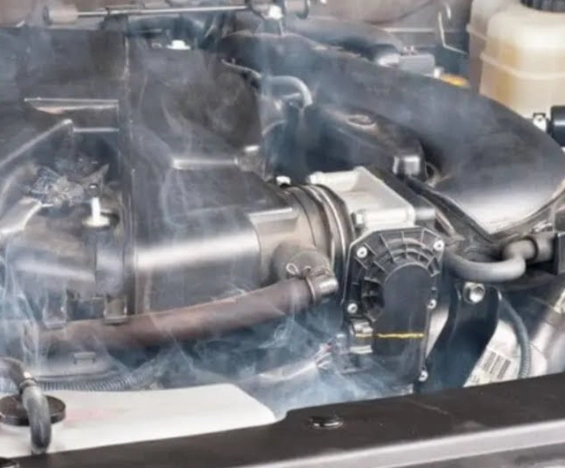
Water Pump Impeller Failure: Circulating Nothing
The water pump is the heart of the system. Its impeller (a little propeller inside) pushes coolant. Over time, especially with poor-quality coolant, the impeller can corrode or its blades can break off. The pump might not leak, but it's just spinning uselessly, moving little to no coolant. You'll hear a maybe a slight bearing whine, but the main symptom is rapid overheating with no obvious leak.
Low Engine Oil or Poor Oil Quality
This one surprises people. Oil doesn't just lubricate; it carries away a massive amount of heat from the pistons and bearings. Low oil level means less heat transfer. Old, sludgy oil loses its ability to flow and absorb heat effectively. An engine low on oil will often overheat under load (like climbing a hill) even if the cooling system is perfect. Always check your dipstick.
Clogged or Blocked Radiator
Two types of clogs: internal and external. External clogs are bugs, leaves, and road debris packed between the radiator fins, blocking airflow. A quick visual check. Internal clogs are from rust, scale, or stop-leak products circulating and settling in the tiny radiator tubes. This is often the result of mixing incompatible coolants or never flushing the system. A clogged radiator might feel cool in spots when the engine is hot, indicating blocked passages.
| Cause | Primary Symptom | Typical Repair Cost (Parts & Labor) |
|---|---|---|
| Coolant Leak (Hose/Radiator) | Low coolant reservoir, puddles, sweet smell | $150 - $600 |
| Failed Thermostat | Rapid overheat OR engine runs too cool | $100 - $250 |
| Electric Cooling Fan Failure | Overheats only at idle/in traffic | $200 - $500 |
| Water Pump Failure | Coolant leak from pump or overheating with noise | $400 - $900 |
| Clogged Radiator | Overheats under normal load, cool radiator spots | $500 - $900 |
How to Diagnose Engine Overheating: A Step-by-Step Walkthrough
Let's play mechanic. Don't just throw parts at it. Follow this logic tree. SAFETY FIRST: Only work on a completely cold engine.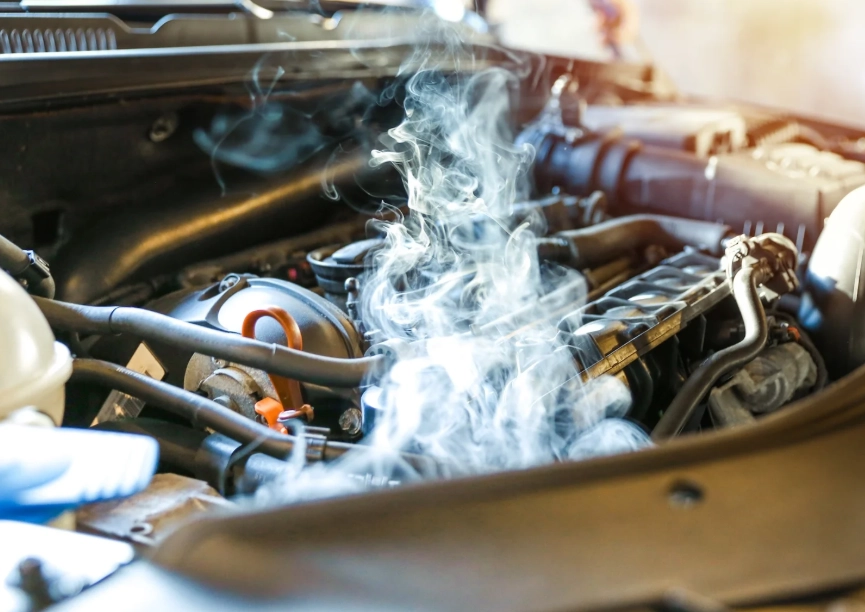
Step 1: The Visual & Cold Check. Pop the hood. Is the coolant reservoir empty or low? Check for crusty white or green residue around hose clamps, the radiator seams, the water pump. Look at the radiator fins—are they packed with debris? Inspect the serpentine belt that drives the water pump—is it cracked or loose?
Step 2: The Pressure Test (The Gold Standard). This is what pros do. A tool screws onto the radiator cap neck and pumps the system to its specified pressure (usually 15-18 PSI). If it holds, the system is sealed. If it drops, you have a leak. You can often hear or see the leak with the pressure applied. Most auto parts stores loan this tool for free.
Step 3: The Thermostat Check. Start the cold engine with the radiator cap off (if safe to do so—consult your manual). Watch the coolant in the radiator neck. For the first few minutes, it should be perfectly still. As the engine reaches operating temperature, you should see a sudden surge of flow as the thermostat opens. No surge? The thermostat is likely stuck closed. Immediate, constant flow from a cold start? It's stuck open.
Step 4: Fan Operation Test. With the engine fully warmed up and idling, watch the temperature gauge. When it gets about halfway to the red, the electric fan should kick on with a noticeable rush of air and sound. If it doesn't, you need to check the fan motor, relay, and coolant temperature sensor. A simple test is to jump the relay with a fused wire—if the fan spins, the motor is good, and the problem is upstream.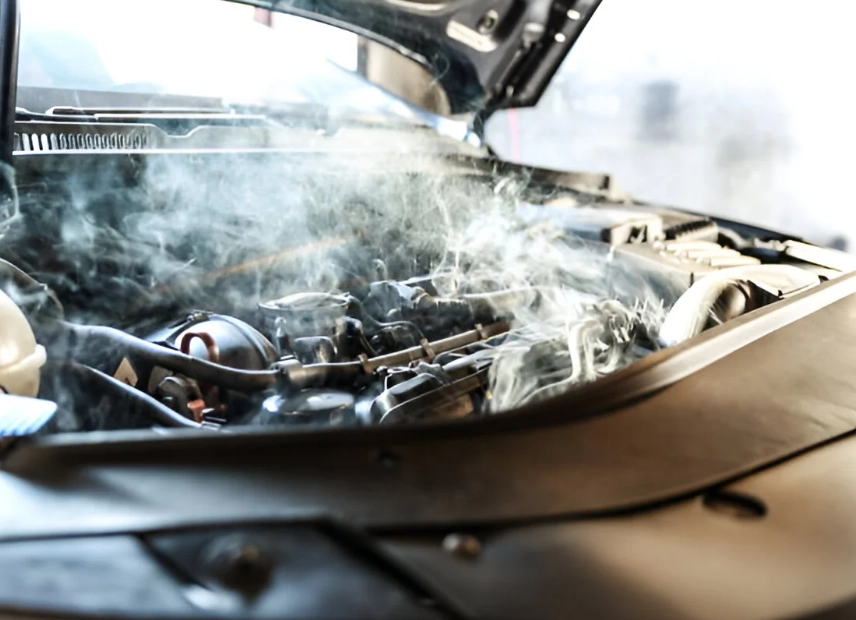
Practical Steps to Prevent Overheating for Good
Prevention is cheaper than a new engine. This isn't just about coolant.
- Coolant Flush on Schedule: Don't just top it off. Every 5 years or 60,000 miles (check your manual), do a complete flush. This removes corrosive particles and replenishes anti-corrosion additives. Use the correct type (e.g., Honda Blue, GM Dex-Cool, universal OAT). Mixing types can create gel-like sludge.
- Use Distilled Water: If you mix concentrate, use distilled water. Tap water contains minerals that form scale inside the engine, acting like insulation.
- Inspect Hoses and Belts Annually: Squeeze the upper and lower radiator hoses. They should be firm but not rock-hard, and not mushy. Look for bulges or cracks. Check the belt for tension and wear.
- Keep the Radiator Exterior Clean: Gently spray water through the radiator fins from the engine side out to dislodge bugs and dirt. Do this when the engine is cool.
- Oil Changes Are Cooling Maintenance: Fresh, high-quality oil at the correct level is non-negotiable for heat management.
I had a customer with a persistent, intermittent overheat. They'd replaced the thermostat and water pump. The problem? A tiny, hidden crack in the plastic coolant reservoir tank. It only leaked vapor when the system was at full pressure and temperature, slowly losing coolant. A pressure test found it in minutes. The point: symptoms can be subtle, and systematic diagnosis beats guessing.