You turn the key. The dashboard lights up, the radio plays, but the engine just makes a sad clicking sound or does nothing at all. Your car won't start but the lights turn on. It's a frustrating and common situation that leaves many drivers stranded. I've been there myself, in a grocery store parking lot on a rainy night. The good news? This symptom narrows down the problem significantly. It tells us power is reaching your car's interior, but something is stopping it from getting to the starter motor or the engine itself. Let's break down exactly what's happening and how to find the culprit.
What's Inside This Guide
The Quick Reason Your Car Has Power But Won't Start
Think of your car's electrical system like a city's power grid. The headlights and radio are like houses—they don't need a huge amount of power to run. The starter motor is like a factory—it needs a massive, sudden surge of electricity to turn the engine over. A weak battery might have enough juice to light up the "houses" but can't deliver the punch needed to power the "factory." Or, there might be a broken wire or switch on the specific path that sends power to the starter. That's the core issue we're dealing with.
The 7 Most Common Culprits (From Most to Least Likely)
Based on two decades of turning wrenches, here's how I'd rank the probable causes. Most mechanics will check them in this order.
| Culprit | Key Symptoms | How to Check It |
|---|---|---|
| 1. Weak or Dead Battery | Rapid clicking noise, slow cranking, lights dim severely when trying to start. Common in cold weather or if the car sat for weeks. | Use a multimeter on the battery terminals. A healthy battery should read ~12.6V engine off. Below 12.2V is weak. It should not drop below 10V during cranking. |
| 2. Bad Battery Terminals or Cables | Corrosion (white/green crust), loose connections, intermittent starting. Lights may flicker. | Visually inspect terminals for corrosion. Try to wiggle them—they should be rock solid. Check the cable for cracks or damage. |
| 3. Faulty Starter Motor | Single loud click (not rapid clicking), grinding noise, or complete silence when turning the key. Often happens suddenly. | The most direct test is tapping the starter body lightly with a hammer while someone tries to start it (temporarily may free a stuck gear). Requires circuit testing for a definitive diagnosis. |
| 4. Failed Ignition Switch | No crank, no dash lights, or accessories lose power when key is turned to "start." May be intermittent. | Jiggle the key while trying to start. Check if dash lights stay on when key is in the "start" position. They shouldn't cut out. |
| 5. Poor Engine Ground | Intermittent no-start, strange electrical gremlins, dim lights. A frequently overlooked cause. | Locate the main ground cable from battery to engine block or chassis. Check for corrosion, looseness, or paint preventing contact. |
| 6. Faulty Neutral Safety Switch (Auto) or Clutch Switch (Manual) | No crank, but everything else works. Car doesn't "know" it's in Park/Neutral or clutch isn't pressed. | In an automatic, try starting in Neutral instead of Park. In a manual, ensure clutch is fully depressed. Listen/feel for the switch click. |
| 7. Blown Main Fuse or Fusible Link | Complete electrical failure or specific circuits dead. Usually the result of another problem (short circuit). | Check the main fuse box under the hood. Locate the starter or ignition fuse (consult owner's manual) and inspect it visually. |
I see people online immediately blame the starter. It's a costly part, so don't jump there. In my experience, corroded terminals or a single bad ground strap cause more no-start headaches than starters themselves, especially in cars over 5 years old.
Your Step-by-Step DIY Diagnosis
Follow this sequence. You'll need a basic multimeter (a $20 tool that's worth its weight in gold) and maybe a friend.
Step 1: The Headlight Test & Listen
Turn on the headlights. Try to start the car. What happens?
- Lights go very dim or out: Strong indicator of a battery issue (Charge or replace).
- Lights stay bright, single loud click: Points to starter motor or its solenoid.
- Lights stay bright, rapid clicking: Usually a weak battery, but could also be a bad connection preventing enough current flow.
- Lights stay bright, no sound at all: Think ignition switch, safety switch, or a broken wire in the starter control circuit.
Step 2: Inspect the Battery & Terminals
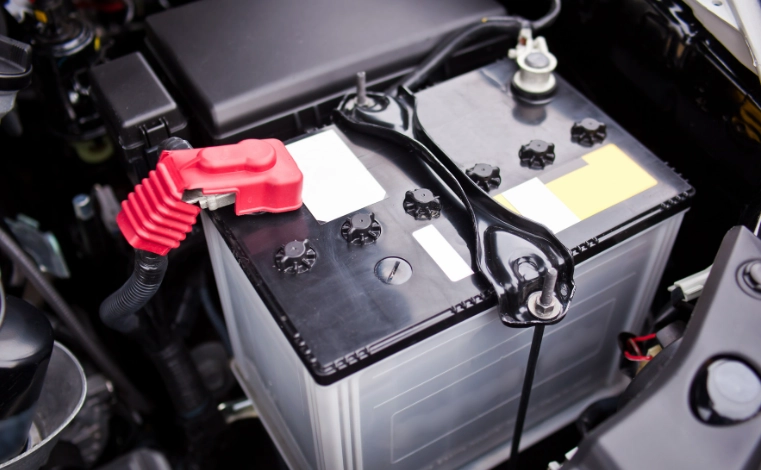
Pop the hood. Look at the battery terminals. Is there white, blue, or green fuzzy corrosion? That stuff is an insulator. Even if it looks okay, loosen the terminals (negative first!), clean them with a wire brush and a paste of baking soda and water, and reconnect them tightly (positive first). This simple fix works more often than you'd think.
Step 3: Check Voltage and Voltage Drop
This is where the multimeter earns its keep.
Set it to DC Volts (20V range). Touch the red probe to the positive battery terminal and the black to the negative terminal. A rested battery should read 12.4V to 12.6V. Anything below 12.2V is suspect.
Now for the critical test: Have a helper try to start the car while you keep the probes on the terminals. Watch the voltage.
If it plunges below 9.5V, the battery is likely dead. If it stays above 10.5V but the car doesn't crank, the battery is probably okay, and the problem is downstream (like the starter itself).
Step 4: Test the Control Circuit
If battery voltage is good, we need to see if the "start" signal is reaching the starter. Locate the small wire on the starter solenoid (it's usually a single spade connector). With the multimeter set to Volts, attach the black probe to a good ground (engine block) and the red probe to this small wire. Have your helper turn the key to "start." You should see battery voltage (12V) appear on this wire. If you do, and the starter doesn't engage, the starter is almost certainly bad. If you don't see voltage, the problem is between the key and the starter (ignition switch, safety switch, wiring).
How to Fix Each Problem: From Simple to Complex
For a Weak Battery: The immediate solution is a jump start. Connect jumper cables properly (positive to positive, negative to good ground on dead car). Let the donor car run for a few minutes, then try starting. If it starts, drive for at least 30 minutes to recharge. If the battery is old (over 4-5 years), it likely needs replacement. An auto parts store can load-test it for free.
For Corroded Terminals: Disconnect the battery. Mix baking soda with water, scrub the terminals and cable ends with a wire brush until shiny metal appears. Rinse, dry, reconnect tightly. Apply a small amount of petroleum jelly or dielectric grease to prevent future corrosion.
For a Bad Starter: Replacing a starter is a moderately difficult DIY job. It's usually bolted to the engine block or transmission. You'll need socket wrenches and patience. Costs: Part ($150-$400), Professional Labor ($150-$300). Pro tip: Before replacing, ensure the starter is actually getting power. I've seen people replace a perfectly good starter only to find the real issue was a $50 ignition switch.
For an Ignition or Safety Switch: These are often located on the steering column (ignition) or near the gear selector/shifter. Diagnosis can be tricky. Sometimes bypassing the switch temporarily (for testing only!) with a jumper wire can confirm the fault. Replacement usually involves removing steering column covers.
For a Bad Ground: Find where the thick black cable from the battery connects to the car's body or engine. Clean the connection point down to bare metal and ensure the bolt is tight. This is a 10-minute fix that can solve a world of problems.
Your Questions, Answered
Why did my car start fine yesterday but won't start today, even though the lights work?
This screams intermittent connection or a component on its last legs. A battery with an internal short can die overnight. A starter motor with worn brushes might work one time and fail the next. Corroded terminals can make intermittent contact. The most likely culprit here is the battery—it may have just enough surface charge to power lights but collapses under the load of cranking. A parasitic drain (something left on) could also kill it overnight.
Can a bad alternator cause a no-start if the lights are on?
Not directly at that moment. The alternator's job is to charge the battery while the engine runs. If your alternator failed on your last drive, it would have drained the battery, leading to a no-start. So, a bad alternator is often the root cause of a dead battery, but the immediate problem you're facing is the battery itself. After a jump start, if the alternator is bad, the car will die again once you remove the jumper cables.
Is it safe to try and push-start a manual car with this problem?
If the issue is a weak battery or a faulty starter motor, and you have a manual transmission, push-starting (or bump-starting) is a viable emergency tactic. It bypasses the starter by using the car's motion to turn the engine. However, if the problem is a failed ignition switch or fuel pump, push-starting won't help. Make sure you're in a safe, open area to attempt it.
How much does it typically cost to fix a "car won't start but lights on" problem?
Costs vary wildly:
- Battery: $120 - $250 (part only).
- Starter Motor: $300 - $700 (parts and labor).
- Ignition Switch: $200 - $400 (parts and labor).
- Cleaning Battery Terminals: $0 - $50 (if you do it yourself or a shop does it).
The diagnostic fee ($80-$150) is usually worth it to avoid replacing the wrong part.
What's the one thing most people forget to check?
The ground connections. Everyone looks at the positive side. There are multiple ground straps connecting the engine and chassis to the battery's negative terminal. One loose or corroded ground can prevent hundreds of amps from reaching the starter, even with a brand-new battery. Follow the negative cable from the battery—it should connect to the engine block and the car's body. Ensure both points are clean and tight.