You pull into the shop, hand over your keys, and brace yourself for the bill. The car inspection fee often feels like a necessary evil—a vague line item that can range from surprisingly reasonable to shockingly high. But here's the thing: it's not just a tax on car ownership. A proper inspection is a health check for your vehicle, and understanding the fee structure is the first step to becoming a smarter, less anxious car owner. Let's cut through the jargon and get into what you're actually paying for, how much it should cost, and where many drivers (including myself, years ago) waste money.
What You'll Find in This Guide
What Exactly Is a Car Inspection Fee Paying For?
Think of the fee as paying for a mechanic's time, expertise, and the liability they assume by putting their stamp on your car's safety. It's not just a quick glance under the hood. A standard multi-point inspection is a systematic process. The mechanic is following a checklist, often mandated by the state for safety inspections or created by the shop for pre-purchase evaluations. They're looking for wear, potential failure points, and anything that doesn't meet legal standards.
The biggest misconception? That the fee covers repairs. It doesn't. You're paying for the diagnosis. The repair quote is a separate conversation. I learned this the hard way when I was younger. I saw a $75 inspection fee and thought, "Great, that's all I'll pay." Then came the $1200 estimate for new brakes and struts. The inspection itself was fairly priced; I just wasn't mentally prepared for what it might uncover.
The Core Components of a Standard Inspection
A thorough inspection touches on dozens of points. Here’s a breakdown of the major systems checked and why each matters to the final cost:
| System Checked | What They're Looking For | Why This Adds to the Fee |
|---|---|---|
| Brakes | Pad/shoe thickness, rotor/drum condition, fluid level and leaks, parking brake function. | Requires lifting the car, removing wheels on some inspections. Critical safety item. |
| Tires & Wheels | Tread depth (often with a gauge), uneven wear patterns, sidewall damage, proper inflation, wheel bearing play. | Detailed measurement and visual analysis. Wear patterns can diagnose alignment issues. |
| Lights & Electrical | Operation of all headlights, brake lights, turn signals, hazard lights, license plate light, horn. | Requires two people or a test rig. A legal requirement for passing safety inspections. |
| Suspension & Steering | Shock/strut condition, ball joints, tie rods, control arm bushings for wear and play. | Mechanic must physically shake components and often use a pry bar. Requires experience to feel subtle play. |
| Underhood Fluids & Belts | Level and condition of oil, coolant, brake fluid, power steering fluid, battery health, serpentine belt cracks. | Preventive check. Identifying degraded fluid or a worn belt can prevent a major breakdown. |
| Exhaust & Emissions (if applicable) | Leaks, condition of catalytic converter, muffler, and pipes. OBD-II system scan for error codes. | Emissions testing requires specialized equipment hook-up. Legally required in many areas. |
When you see it listed out, you realize the inspection fee buys you a lot of looking. A shop isn't just checking a box; a good technician is connecting dots. Thin inside tire wear? That points to an alignment issue, which affects safety and your wallet down the line. Milky oil? Could be a head gasket problem. The fee pays for that analytical process.
Typical Car Inspection Cost Ranges & What Influences Price
So, what's the damage? You can't pin it to a single number, but here are realistic brackets based on my experience and industry sources like repair estimates from RepairPal.
Basic Safety/State Inspection: $50 - $100. This is the bare-minimum to get your sticker. It focuses on legally required items: lights, brakes, tires, horn, mirrors, wipers, and sometimes emissions. In some states, the price is government-capped.
Comprehensive Pre-Purchase or Annual Check-up: $100 - $200. This is the sweet spot for most informed owners. It includes everything in a basic inspection plus a deeper dive into suspension, engine health, fluid analysis, belt and hose condition, and a test drive. This is the inspection that can actually save you money by catching small issues early.
Specialized Inspections (for classic cars, performance vehicles, or after an accident): $200+. These require niche expertise and more time.
The Price Isn't Random. Here's What Pushes It Up or Down:
- Your Location: Shop rates in Manhattan or San Francisco are simply higher than in rural Kansas. Labor rates drive inspection costs.
- Type of Vehicle: A lifted truck with oversized tires takes more time to check than a compact sedan. Luxury or European cars may require proprietary scan tools.
- Shop Type: Dealerships charge a premium for their "brand" expertise. Independent shops often offer better value. National chains (like Firestone, Pep Boys) may run loss-leader specials on inspections to attract repair business.
- Inclusion of an OBD-II Scan: For modern cars, plugging in a scanner to check for hidden computer codes is essential. Some shops include it, others charge $20-$50 extra.
Proven Ways to Save Money on Your Next Vehicle Inspection
You can't avoid the fee, but you can absolutely avoid overpaying. Here are tactics that work, beyond just "shop around."
1. Get Multiple Quotes, But Ask the Right Question. Don't just call and ask, "How much for an inspection?" That invites the lowball basic price. Say, "I'm looking for a comprehensive multi-point inspection, the kind you'd do for someone buying a used car. What's your all-in fee for that, including the OBD scan?" This gets you comparable numbers.
2. Ask About Bundling or Discounts. Many shops offer a free or heavily discounted inspection with an oil change or other service. It's a customer acquisition tool for them. Schedule your inspection around your routine maintenance. Also, check Groupon or the shop's website for coupons—they're common for this service.
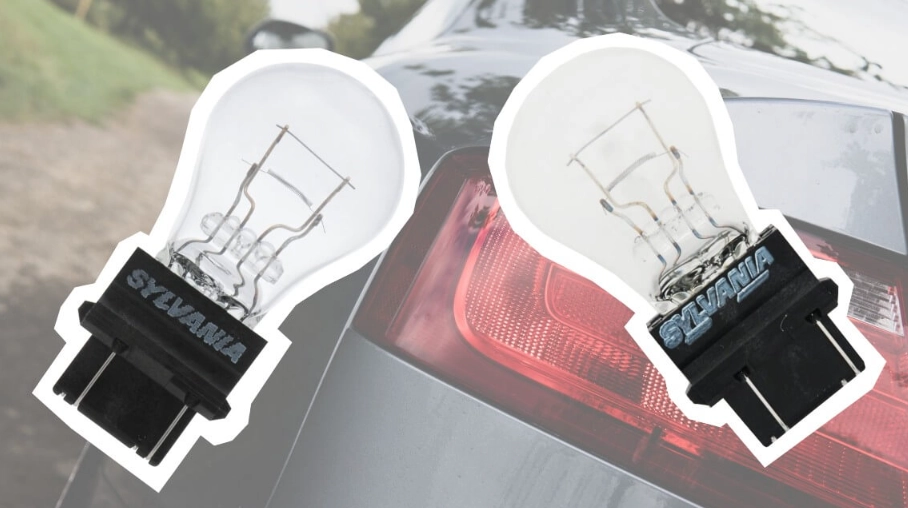
3. Do Your Own Pre-Check. You can catch obvious fails yourself, saving a trip and a re-inspection fee. Spend 10 minutes before you go: - Walk around your car and check every single light (have someone press the brake). - Look at your tire tread. Use the penny test (insert penny head-first into tread; if you see all of Lincoln's head, tread is low). - Check your wiper blades for streaking. - Ensure your horn works. Fixing a burnt-out bulb yourself costs $10. Failing for it at the shop costs the inspection fee plus the $10 bulb plus their markup and labor to install it.
4. Be Wary of the "Free Inspection." Nothing is truly free. These are almost always loss leaders designed to generate a large repair estimate. There's an inherent conflict of interest. I'm not saying they'll lie, but the threshold for "recommending" a repair will be much lower. It's better to pay a fair fee to a shop that doesn't do its own repairs or one you trust implicitly.
Where to Go for a Car Inspection: Dealership vs. Independent Shop
This choice significantly impacts your fee and experience.
Dealership Service Department: Pros: Technicians are factory-trained on your specific make. They have the latest technical service bulletins (TSBs). Good for complex electrical issues on newer models. Cons: Highest hourly rates. The inspection fee is often a gateway to recommending manufacturer-scheduled maintenance that may be premature. Can feel impersonal.
Independent Mechanic Shop: Pros: Typically the best value. Lower overhead means lower rates. Often build long-term customer relationships. More likely to give you a straight, prioritized list of what actually needs fixing now vs. later. Cons: Expertise can vary by make. For a very new or rare car, they might not have the specialized tool.
National Tire & Service Chains: Pros: Convenient locations, often open weekends. Frequent coupons. Good for basic safety inspections. Cons: High pressure to sell tires, brakes, and alignments. Technician turnover can be high. The inspection can feel like a sales audit of your car.
Mobile Mechanics: Pros: They come to you. Can be great for a pre-purchase inspection at a seller's location. Cons: Limited by what they can do without a lift. May not be certified for official state safety inspections.
My go-to? A well-reviewed independent shop. The relationship is worth more than saving $20 at a chain. A mechanic who knows you and your car's history will give you better advice.