I spent months looking at used Teslas. The prices were tempting, but every listing had the same nagging question in the comments: "What's the battery health?" That's when I stumbled into the world of battery replacement cars—vehicles that have had their main traction battery pack swapped out for a new or refurbished one. It sounds like a perfect solution, right? A used electric car with the heart of a new one. But is it really that simple?
Let's cut through the marketing. A battery replacement can be a brilliant way to get a capable EV at a fraction of the new cost, effectively resetting its single biggest point of failure. But it can also be a minefield of hidden costs, questionable warranties, and compatibility issues that most buyers never see coming. I talked to mechanics, scoured forums, and even tracked a few auctions to get the real story.
What You'll Find Inside
What Exactly Is a "Battery Replacement Car"?
It's not just any EV that had a service. We're talking about a vehicle where the original, high-voltage battery pack—the one that powers the motors—has been completely removed and replaced. This usually happens for one of three reasons:
- Catastrophic Failure: The old battery died, often outside the original warranty. The owner faced a huge EV battery replacement cost (we're talking $5,000 to $20,000+) and decided to go through with it, maybe to then sell the car.
- Proactive Upgrade: A rare but growing scenario. An enthusiast replaces a degraded battery with a newer, higher-capacity unit, sometimes even from a salvaged car.
- Salvage Rebuild: A car was totaled (often due to minor collision damage that made the battery unsafe per protocols), then rebuilt with a new pack.
The key distinction is between an official replacement done by a dealer or certified shop, and an aftermarket or third-party swap. The former usually comes with a robust used EV battery warranty (sometimes matching the original car's warranty period for the new pack). The latter? It's the wild west. The warranty might be from "Bob's EV Garage" and last only 12 months.
Here's the nuance most blogs miss: A replaced battery doesn't automatically mean a "like-new" car. The motor, inverter, suspension, and interior have all lived their own lives. You're buying a refreshed powertrain inside a used vehicle body. That balance is everything.
The Real Pros and Cons of a Swapped Battery
Let's get practical. What are you actually signing up for?
The Upsides (They're Legit)
Eliminated Range Anxiety: This is the big one. The main reason people sell old EVs is degraded range. A new battery resets that clock. You get the full, advertised range back. No more guessing if you can make it to work and back in the winter.
Potential Bargain Price: Sellers often can't command a premium equal to the cost of the new battery. The market is skeptical. This creates a window where you might get a car with a $15k new battery for only a few thousand more than a comparable car with an old, tired pack.
Known History: In a weird way, a major repair like this often comes with more paperwork than a "clean" used car. You know exactly what was done, when, and by whom (if you ask for the records).
The Downsides (The Quiet Ones)
Warranty Whack-a-Mole: That new battery might have a warranty, but does it transfer to you? Is it prorated? What exactly does it cover—just the cells, or the labor to install another one if it fails? Most third-party warranties are laughably bad when you read the fine print. I've seen ones that only cover "manufacturer defects," not capacity loss over time.
Hidden Systemic Damage: A battery doesn't usually die in a vacuum. What caused it? Was there a faulty battery management system (BMS) or cooling pump that cooked the old pack? If those underlying issues weren't fixed, your shiny new battery could be headed for the same fate.
Resale Stigma: You might have to explain this all over again when you sell. "Brand new battery!" sounds great, but the next buyer will have the same doubts you do now.
| Common EV Model | Typical OEM Battery Replacement Cost (Parts & Labor) | Third-Party/Refurbished Cost Estimate | Key Consideration |
|---|---|---|---|
| Nissan Leaf (2011-2017) | $8,500 - $15,000 | $4,000 - $8,500 | Early models lack thermal management, leading to faster degradation. |
| Chevy Bolt EV (2017-2021) | $15,000+ (Recall replacements were free) | Rare (due to recall) | Post-recall, these are some of the safest battery replacement bets. |
| Tesla Model S (2012-2016) | $13,000 - $20,000+ | $8,000 - $15,000 | Labor is complex and expensive. Firmware compatibility is critical. |
| BMW i3 (with range extender) | $16,000+ | $7,000 - $12,000 | The small battery size makes per-kWh cost very high. |
How to Evaluate a Battery Replacement Car Before You Buy
This is where you separate a savvy deal from a money pit. Don't just take the seller's word for it.
1. Demand the Paper Trail. No receipt, no deal. You need the invoice showing the work was done, the part number of the installed battery (is it new, refurbished, or from a salvage car?), the name and contact info of the shop, and a copy of the warranty document. If they "lost" it, walk away.
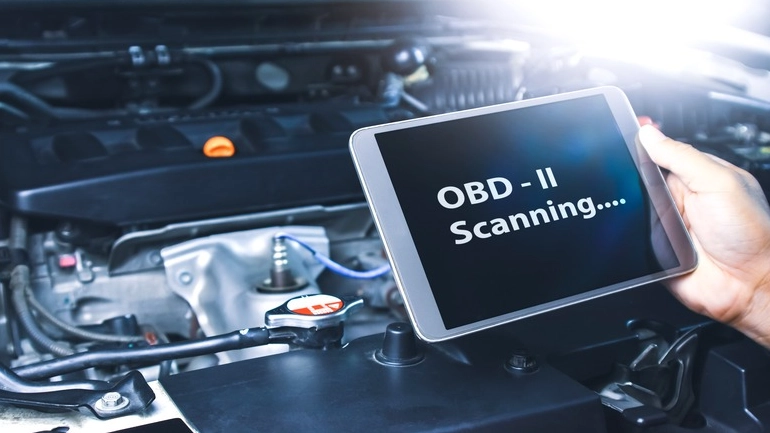
2. Interrogate the Battery's Health Yourself. Even a new battery can have issues if the installation was botched. For most modern EVs, you can use an OBD-II scanner and an app like Scan My Tesla or LeafSpy to read the real-time battery data. Look for:
- State of Health (SOH): This should be 95% or above for a recent replacement. Anything lower suggests a used or refurbished pack.
- Cell Voltage Balance: Are all the cell groups within a few millivolts of each other? Large imbalances point to a bad BMS or faulty cells.
3. Check the Cooling System. This is the expert move most people forget. The battery's liquid cooling (or air cooling) system is its life support. Ask for any service records on the coolant pump, lines, and radiator. On a test drive, listen for unusual whirring or gurgling sounds after parking. A failing pump is a death sentence for any battery, new or old.
Red Flag: If the seller says the battery was replaced but the car's onboard computer still shows the original, high mileage and degraded range estimate, the battery management system may not have been properly reset or matched to the new pack. This can cause charging and performance issues.
4. Verify Compatibility and Software. Especially for Teslas and other software-intensive cars. Was the replacement done with a Tesla-approved pack? If it's a third-party pack, is the car's firmware compatible? Some independent shops can "marry" a new pack to the car, but future over-the-air updates from the manufacturer could potentially brick the system. It's a risk.
5. Do the Total Math. Price of the battery replacement car + any immediate repairs needed (tires, brakes) + sales tax. Now compare that to the price of a similar-model EV with lower original miles and a battery still under the manufacturer's warranty. Sometimes, the "bargain" isn't one.
Where to Actually Find and Buy One
They don't exactly have a dedicated section on Carvana.
Specialty EV Dealers: Some used EV dealers, particularly in California and other EV-hot markets, actively source and sell these cars. They often handle the replacement themselves and offer their own warranty. The price is higher, but so is the peace of mind.
Online Auctions (Copart, IAAI): This is the source. Many battery replacement cars start as salvage-title vehicles bought at auction by rebuilders. You can buy directly here, but you must be a skilled mechanic or work with one. You're buying a project, not a car.
Private Sellers (Facebook Marketplace, Craigslist): The most common place. Be prepared for the full spectrum—from honest hobbyists who documented everything to flippers hiding major problems. The evaluation checklist above is non-negotiable here.
My personal take? For a first-time EV buyer, a reputable specialty dealer is worth the premium. For a tinkerer with a trusted mechanic, the private market can yield a gem.
The Future of Battery Replacements
This isn't a fading niche. As the first massive wave of EVs (early 2010s models) hits the 10+ year mark, battery replacements will become more common. The economics are driving it.
Third-party battery refurbishment companies are scaling up. Startups are offering subscription models or lease-to-own plans for replacement packs. Standardization, pushed by reports from places like the U.S. Department of Energy on second-life batteries, might eventually make the process more transparent and cheaper.
The dream is a future where swapping a degraded battery is as straightforward as replacing a worn-out engine in a classic car—a known procedure with known costs. We're not there yet, but we're moving in that direction.