You turn the key. The dashboard lights up like a Christmas tree, the radio plays, but the engine... nothing. Just a click, or worse, silence. That sinking feeling is universal. I've been there, both as a driver and later, as a mechanic. The good news? This specific symptom – power on, no start – narrows down the culprit list significantly. It's almost never the apocalyptic engine failure you fear. Let's cut through the panic and systematically diagnose why your car won't start when the lights are on.
What's Stopping Your Car? Jump to the Fix
Start Here: What Sound Does It Make?
This is your first and biggest clue. Don't just say "it doesn't start." Listen closely.
The Crank (But No Fire): The engine turns over vigorously – you hear that rurr-rurr-rurr sound – but it never "catches" and runs. This points to a problem with fuel, spark, or air after the starter has done its job.
Silence (or a Whir): You turn the key and... nothing. No click, no crank. Maybe a faint whir or buzz. This often points to a dead battery, bad ignition switch, or a completely seized starter.
That click had me stumped on my old pickup for a week. I replaced the battery, then the starter, only to find the main power cable to the starter was corroded inside the insulation – a problem you couldn't see by just looking. It taught me to check connections first.
Why Your Car Won't Start: The 7 Most Likely Causes
Based on the sounds above, here’s what’s probably happening, listed from most to least common for the average driver.
| Likely Cause | Typical Symptom | Why It Happens & Quick Check |
|---|---|---|
| 1. Weak or Dead Battery | Click or rapid clicking; slow crank then nothing; total silence. | Lights and electronics need little power; the starter needs a huge burst. A battery can have "surface charge" enough for lights but fail under load. Check: Turn on headlights and try to start. If they dim drastically or go out, it's the battery. |
| 2. Faulty Starter Motor / Solenoid | Single loud click (solenoid engaging) but no crank; sometimes just a whir. | The starter is the electric motor that spins the engine. The solenoid is the switch that engages it. They fail from wear, heat, or electrical issues. A direct, solid click with no movement is the classic sign. |
| 3. Bad Battery Connections | Intermittent problems; clicking; sometimes works if you jiggle cables. | Corrosion (that white/green powder) on terminals creates resistance. It can look okay on top but be rotten underneath. The connection must be clean and tight. |
| 4. Failed Ignition Switch | Silence; power cuts out when turning key to "start"; intermittent no-crank. | The switch behind the key cylinder wears out. It sends power to accessories in "ON" but fails to send the start signal to the solenoid. A common, often-overlooked gremlin. |
| 5. Fuel Delivery Issue | Engine cranks strongly but won't fire. You may not hear the fuel pump hum when you first turn the key to ON. | Empty tank (happens more than you'd think), clogged fuel filter, failing fuel pump, or a blown fuel pump fuse. The engine needs fuel to combust. |
| 6. Security / Anti-Theft System | Crank/no-crank; security light flashing on dash; sometimes intermittent. | The immobilizer doesn't recognize your key, cutting fuel or spark. Try your spare key. Sometimes disconnecting the battery for 10 minutes can reset it. |
| 7. Major Sensor Failure | Cranks but won't start; no spark or fuel injector pulse. | A critical sensor like the crankshaft position sensor tells the computer the engine is turning. If it's dead, the computer won't allow fuel or spark. This is less common but a known issue on many models. |
How to Diagnose a No-Start Problem Yourself
Before you call a tow truck, run through this checklist. You'll need basic tools: maybe a wrench set for battery terminals, and a friend for some steps.
Step 1: The Battery & Connection Check (Do This First)
This solves over 50% of these problems. Don't skip it because the lights are on.
- Visual Inspection: Pop the hood. Look at the battery terminals. Is there thick, crusty corrosion? Clean it off with a wire brush and a mix of baking soda and water. Wear gloves.
- The Wiggle Test: Try to twist the battery cable terminals by hand. If they move, they're loose. Tighten them securely. A loose connection is a no-connection under starter load.
- Load Test: Have a friend try to start the car while you watch the headlights (turned on). If they get very dim or go out completely, the battery is likely dead. If they stay bright and you hear a click, the battery is probably okay, and the problem is the starter or its circuit.
Step 2: Listen for the Fuel Pump
Get in the car. Turn the key to the "ON" position (but not to "START"). Listen for a faint humming or buzzing sound from the rear of the car (where the fuel tank is) that lasts 2-3 seconds. That's the fuel pump priming the system. No sound? Could be a fuel pump, fuse, or relay issue. Consult your owner's manual for fuse box locations.
Step 3: The Tap Test (For Suspect Starters)
If you have a single click, locate the starter motor (usually low on the engine, near where the transmission meets it). Have a friend try to start the car while you give the starter body a few firm (not savage) taps with a hammer or wrench. Sometimes worn brushes inside stick, and a tap can jolt them into contact for one more start. If it starts, the starter is dying and needs replacement. This is a classic shade-tree mechanic trick that actually works.
Step 4: Check for Spark (Advanced, But Conclusive)
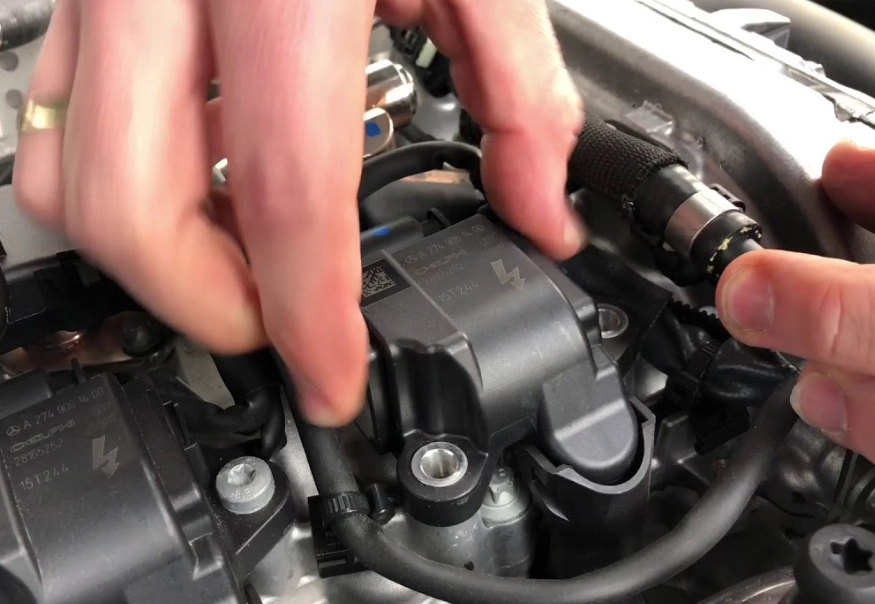
If the car cranks but won't fire, you need to see if it's a spark or fuel problem. Remove one spark plug wire, insert an old spark plug or a spark tester, ground it against the engine block, and have someone crank. You should see a bright blue spark. No spark? Problem is in the ignition system (coil, module, sensor).
If you have spark but no start, it's almost certainly a fuel issue. At this point, if you're not comfortable, it's time to call a professional. Diagnosing a bad fuel pump pressure or a failed sensor usually requires a scan tool and more expertise.
Your No-Start Questions, Answered
- Battery: $150 - $300 (parts & installation).
- Starter Motor: $400 - $800 (parts & labor). It's often in an awkward location.
- Fuel Pump: $500 - $1,200. The part isn't always expensive, but labor to drop the fuel tank can be.
- Ignition Switch: $200 - $400.
- Crankshaft Sensor: $250 - $400.