That dreaded sound on a frosty morning—a weak groan, a series of rapid clicks, or worse, complete silence when you turn the key. A car that won't start in cold weather isn't just an inconvenience; it can derail your entire day. I've spent over a decade in garages, and I can tell you that 90% of cold start failures boil down to a handful of culprits. The good news? You can diagnose most of them yourself without fancy tools. Let's cut through the guesswork and get straight to what's actually stopping your engine from turning over.
What's Stopping Your Car? A Quick Guide
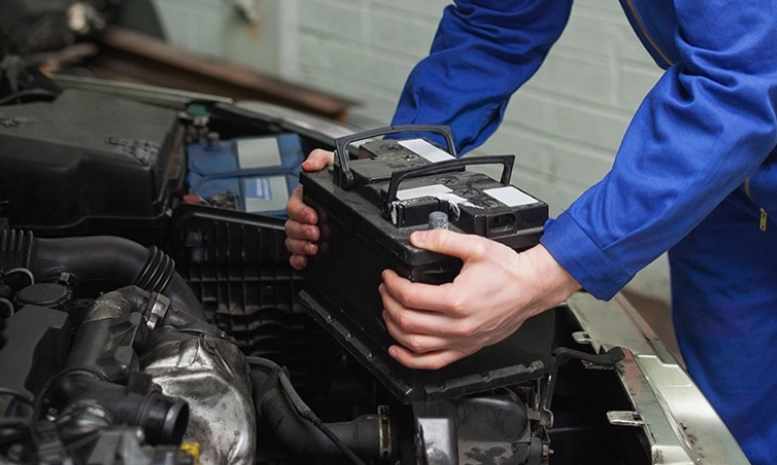
The Usual Suspect: A Weak or Dead Battery
This is the number one reason, and it's not even close. According to the American Automobile Association (AAA), battery-related issues account for the majority of their winter roadside calls. Cold temperatures dramatically reduce a battery's chemical efficiency. A battery that shows 12.6 volts at 70°F might drop below the critical 9.6 volts needed to crank the starter at 20°F. The engine oil is also thicker, requiring more power to turn the engine over. It's a double whammy.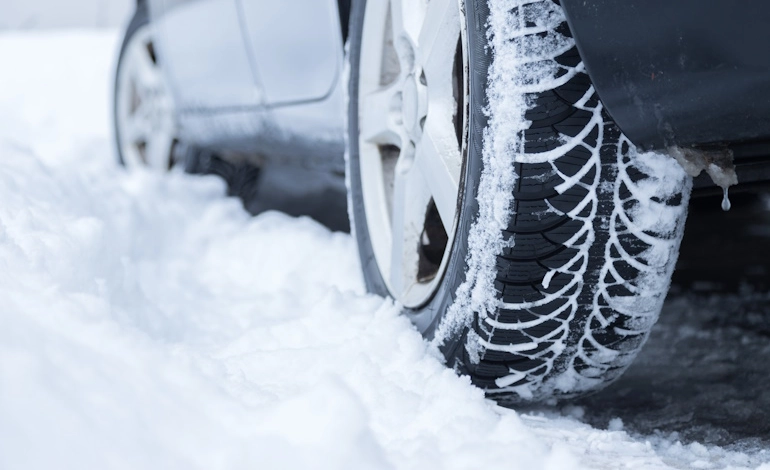
Here's what you need to listen and look for:
- A slow, labored cranking sound: "Rrrr... rrrr... rrrr." The engine tries but sounds exhausted.
- A rapid clicking noise: This is the starter solenoid engaging but not getting enough juice to spin the motor. It's the classic "click-click-click."
- Complete silence with dim lights: You turn the key and nothing happens. The dashboard lights might go very dim or flicker.
A common mistake I see: People blame a "dead" battery after one cold night. Often, the battery was already weak. The cold just finished it off. If your battery is more than 3-4 years old, the cold is its ultimate test.
Testing is simple. If you have jumper cables and a helping neighbor, a successful jump-start confirms a battery (or charging system) issue. For a more precise check, a multimeter reading below 12.4 volts with the engine off indicates a weak charge.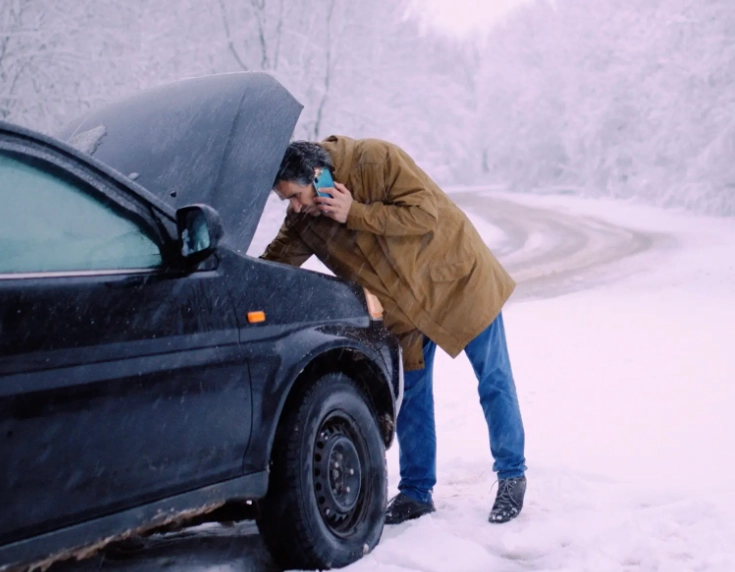
Thick as Molasses: Wrong Engine Oil
This is a subtle one that many DIY guides overlook. Your engine's oil viscosity is marked with a number like 5W-30 or 10W-40. That "W" stands for winter. A 5W oil flows much more easily in the cold than a 10W or 20W oil. If someone put in a thicker oil during the last change, or if you're running an oil meant for hotter climates, your engine's internal components are fighting through sludge on a cold morning. The starter motor simply can't overcome the resistance.
I once had a customer with a Honda Civic that would barely start in Wisconsin winters. They were using 10W-40 because it was cheaper. Switching to the manufacturer-recommended 0W-20 solved the problem overnight. Check your owner's manual. For extreme cold, a 0W or 5W oil is almost always better.
When Fuel Doesn't Flow
Modern fuel systems are precise. Cold weather can disrupt them in two key ways.
Fuel Line Freeze (Less Common, But Brutal)
Condensation in your fuel tank can turn to ice and block the fuel line or filter. This is more likely if you often run the tank near empty, allowing more moist air to condense inside. The engine might crank healthily but never fire up. Keeping your gas tank at least half full in winter adds fuel stabilizer and reduces air space for condensation.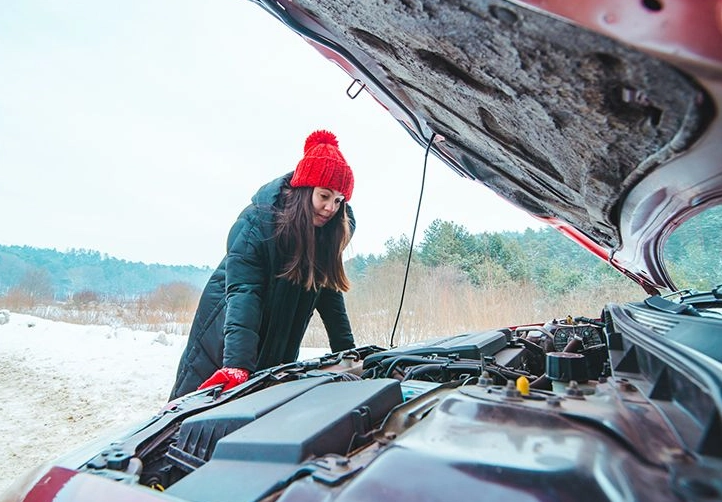
Failing Fuel Pump
A fuel pump on its last legs often reveals itself in the cold. The pump lives in the fuel tank, and cold, thicker gasoline requires more effort to push. A weak pump might not build enough pressure. Listen for a brief humming sound from the rear of the car when you first turn the key to "ON" (before cranking). No hum could signal a dead pump.
No Spark, No Start
Your engine needs a hot, well-timed spark to ignite the fuel-air mixture. Cold, damp weather is the enemy of ignition components.
- Spark Plugs: Worn plugs with eroded electrodes need a higher voltage to jump the gap. The cold, dense air makes it even harder. If they're due for a change, the cold will expose them.
- Ignition Coils: These transform the battery's low voltage into the thousands of volts needed for a spark. Their insulation can crack with age and temperature cycles. Moisture from melted snow or condensation can seep in and cause a short, killing the spark.
- Ignition Wires: Less common on newer cars, but on older vehicles, cracked wires can leak voltage, especially in damp conditions.
The symptom here is usually strong cranking but no combustion. You might smell unburnt fuel after a few attempts.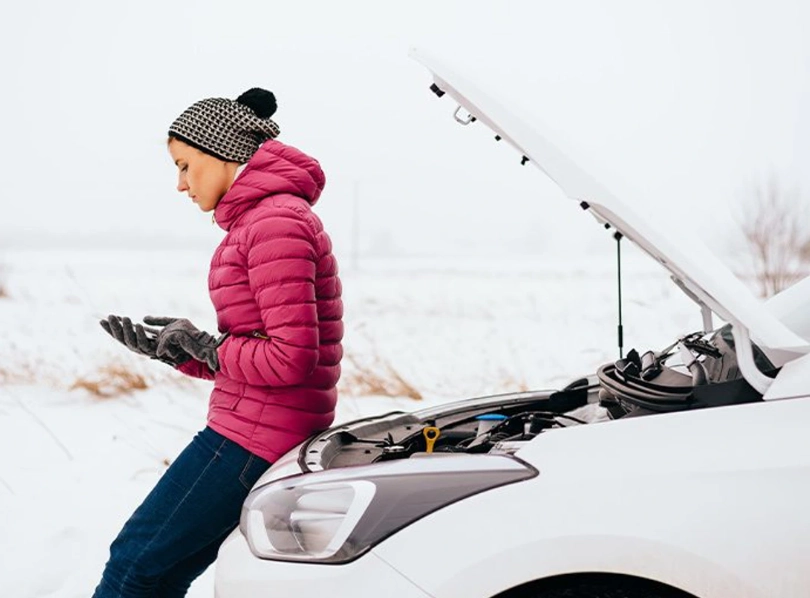
The Overlooked Component: The Starter Motor
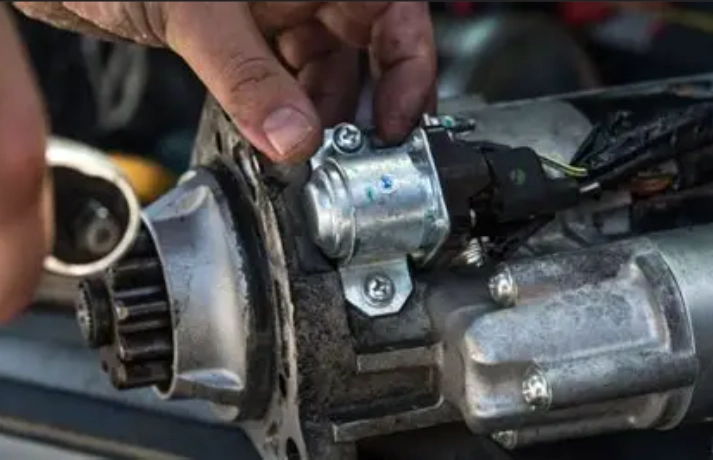
Sometimes the battery is fine, but the worker bee—the starter motor—isn't. Starters draw a massive amount of current (200+ amps). Over years, the internal brushes wear down, and the commutator gets dirty. In the cold, the increased mechanical resistance from thick oil can be the final straw for a tired starter. It might work fine on a warm day but just give up when it's cold. If you hear a single solid *CLUNK* but no cranking, or if the battery checks out perfectly but you get nothing, the starter is a prime suspect.
Your Step-by-Step Cold Start Diagnostic Checklist
Don't just throw parts at the problem. Follow this logical sequence. It mirrors what I do in the shop.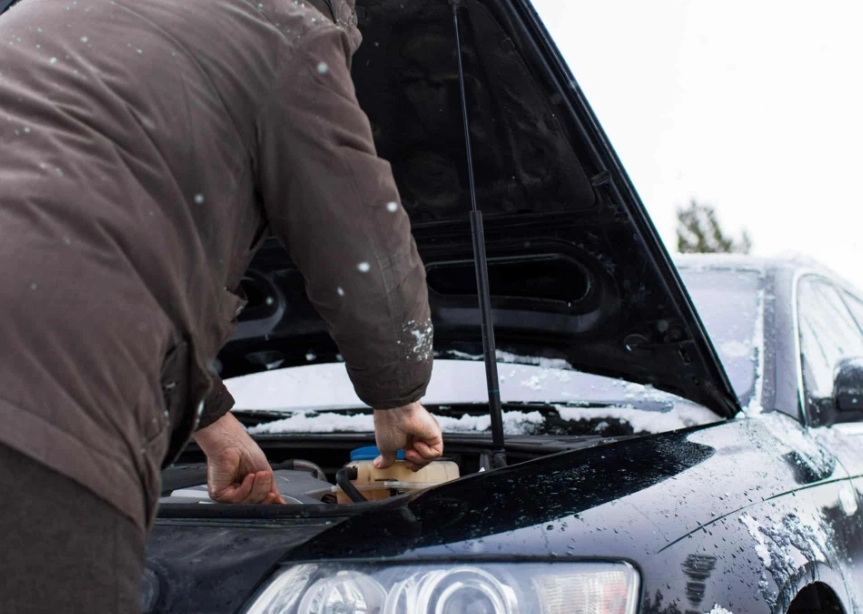
| Step | Action | What It Tells You |
|---|---|---|
| 1. Listen & Observe | Turn the key to "START." What do you hear and see? | Clicking: Likely battery. Slow crank: Battery or starter. Fast crank, no start: Fuel or spark. Nothing: Battery, connections, or starter solenoid. |
| 2. Check the Basics | Ensure the car is in Park/Neutral. Check for corrosion on battery terminals (white/green crust). Wiggle the terminals—are they tight? | Loose or corroded connections are a free fix and a common culprit. |
| 3. Test Battery Power | Turn on headlights (not high beams) without starting. Are they bright or very dim? Do they dim drastically when you try to crank? | Bright lights that stay bright while cranking points away from the battery. Dim lights confirm a power issue. |
| 4. The Jump-Start Test | If you have cables and a donor car, attempt a jump-start following proper procedure. | If it starts immediately, your battery was dead/weak. If it still cranks slowly, the starter may be bad. If it still won't start, it's likely fuel or spark. |
| 5. Fuel System Check | With the key in "ON," listen for a 2-3 second hum from the fuel tank. You can also check for fuel pressure at the rail (if comfortable). | No priming hum suggests a dead fuel pump or fuse. |
| 6. Spark Check (Advanced) | Remove a spark plug, reconnect its coil/wire, ground the plug's threads to the engine, and have someone crank. Look for a bright blue spark. | No spark or a weak orange spark points to ignition component failure. |
How to Prevent It From Happening Again
An ounce of prevention is worth a tow truck in January.
Proactive Maintenance: Get your battery load-tested every fall, not just voltage-checked. A load test simulates the cold-cranking demand. Replace spark plugs and air filters on schedule. Use a fuel injector cleaner like Techron before winter hits to keep the system clean.
If you park outdoors, consider a battery blanket or an engine block heater. They keep the engine bay warm and make morning starts effortless. For short-trip drivers, take the car for a 20-minute highway drive weekly to fully recharge the battery.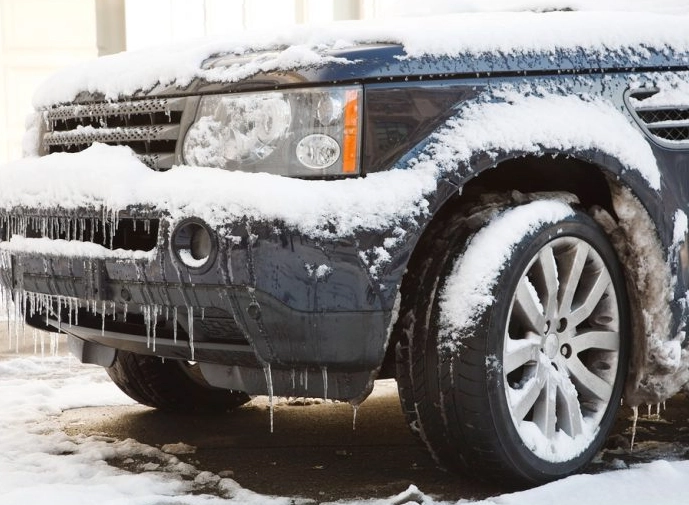
Your Cold Start Questions, Answered
My car starts fine after a jump but dies again the next cold morning. Is it just the battery?
Probably not *just* the battery. This pattern screams a failing alternator or a parasitic drain. The jump-start gets you going, but the alternator isn't properly recharging the battery as you drive, or something is draining it overnight (like a faulty glove box light). A mechanic can perform an alternator output test and a parasitic draw test.
Why does tapping the starter sometimes make the car start?
This is a classic sign of worn starter motor brushes. The tap can momentarily jostle the brushes into better contact with the commutator. It's a temporary fix. If tapping works, your starter is failing and needs replacement soon. Don't rely on it.
I hear a loud screeching noise for a second when starting in the cold, then it's fine. What is that?
That's almost certainly a worn serpentine belt or a failing belt tensioner. The cold makes the belt stiff and brittle. When the engine first turns over, the belt slips on a pulley (often the alternator) before gripping. Get it checked; a broken belt will leave you stranded.
Can a bad thermostat cause cold start problems?
Not directly with cranking, but absolutely with post-start performance. A thermostat stuck open means the engine coolant never warms up properly. The engine computer will keep the fuel mixture rich, leading to rough idling, poor heater performance, and reduced fuel economy. It's a separate but important winter issue.
Are battery tenders or trickle chargers worth it for winter?
If your car sits for days in the cold, absolutely. They're cheaper than a new battery. A quality maintainer like those from Battery Tender or NOCO will keep the battery at 100% charge without overcharging. Plug it in overnight before a predicted deep freeze. It's the single best thing you can do for an infrequently driven vehicle.
The frustration of a car that won't start in the cold is universal, but the solution is almost always logical. Start with the battery and its connections—that's your most likely win. Move systematically through fuel and spark. And remember, winter is unforgiving to marginal components. What worked in October might fail in January. A little preventative maintenance this fall can save you a very cold and expensive morning later.