You're here because you typed "how much does it cost to replace spark plugs?" into Google. Maybe your check engine light is on, the car feels sluggish, or you're just trying to budget for routine maintenance. The short, frustrating answer is: it depends. A lot. I've seen quotes range from a seemingly cheap $120 to a jaw-dropping $1,000+ for the same job on paper. The difference isn't magic—it's a mix of your car's engine, the quality of parts, and who's turning the wrench.
Let's cut through the noise. Based on a decade of turning wrenches and talking to shop owners, the national average for a professional spark plug replacement is between $150 and $400. But that's a uselessly wide range. Your specific cost hinges on three things: your vehicle's make and model, the type of spark plugs it needs, and whether you pay for labor or do it yourself.
What You'll Find in This Guide
The Real Cost Breakdown: Parts vs. Labor
Understanding the bill starts with separating parts from labor. It's not one bundled price.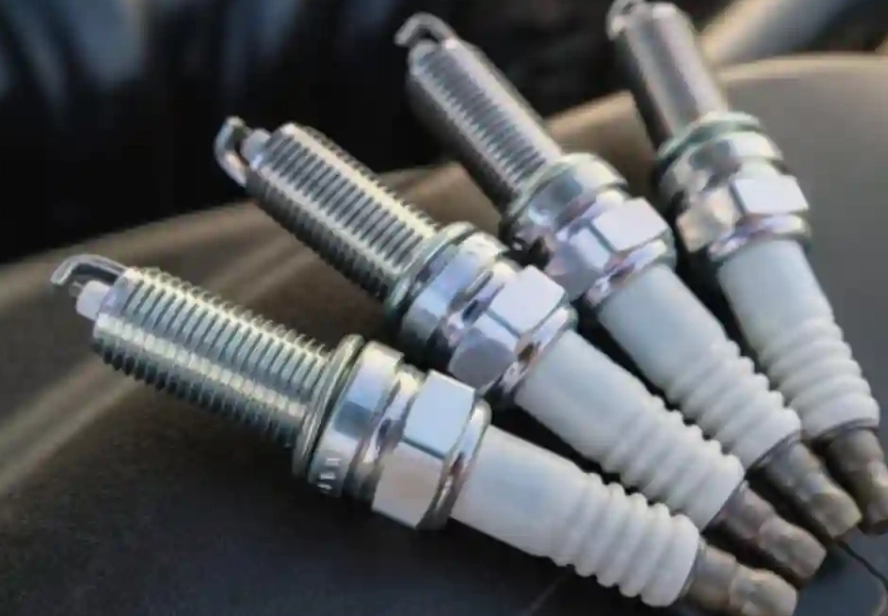
This assumes a standard 4-cylinder or common V6 engine with readily accessible plugs.
Spark Plug Parts Cost
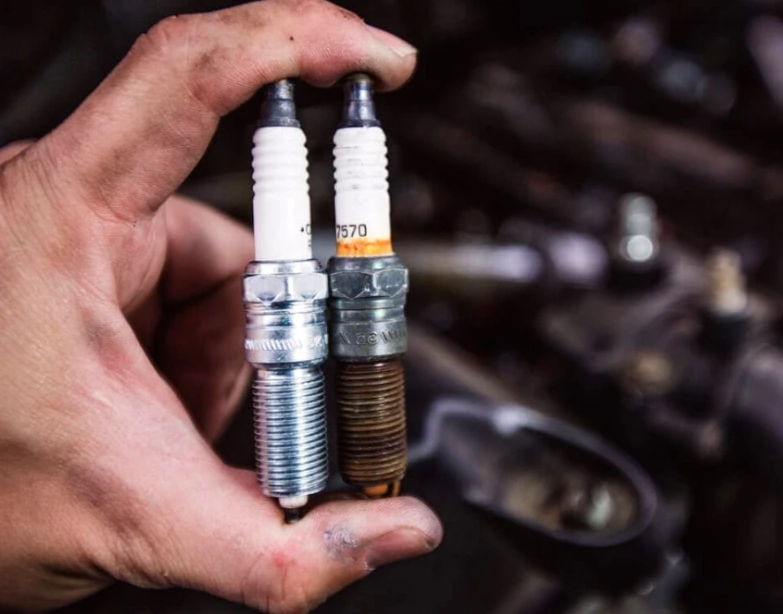
Spark plugs aren't created equal. You're mostly paying for the electrode material, which dictates longevity and performance.
- Copper Core: $2 - $5 each. The basic, old-school option. They conduct electricity well but wear out fastest, typically lasting 20,000-30,000 miles. Most modern cars don't use these as factory specs anymore.
- Iridium or Platinum: $8 - $15 each. This is the standard for 90% of cars built in the last 15-20 years. Iridium is harder and lasts longer. Expect 60,000 to 100,000+ miles of life. This is what your owner's manual likely specifies.
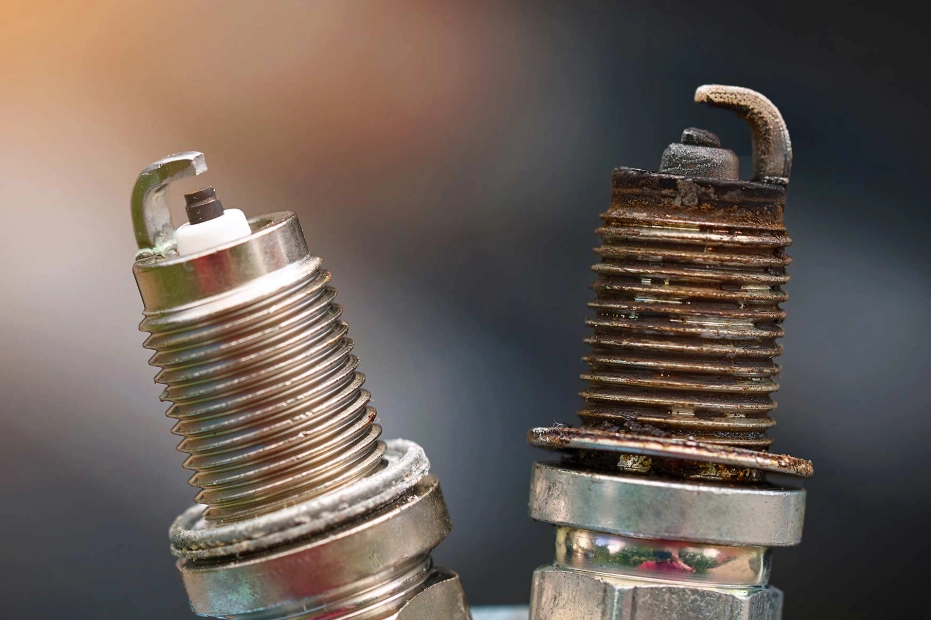
- Double Iridium/Performance Plugs: $15 - $25+ each. For high-performance engines or enthusiasts. The benefits for a daily driver are often negligible. Don't let a shop upsell you to these unless you have a modified engine.
A non-consensus point: Many mechanics will insist you must use the exact OEM brand plug (e.g., NGK for Honda, Denso for Toyota). While matching the OEM spec is critical, the brand is less so if the aftermarket plug (like an Autolite or Champion) meets the identical material, heat range, and gap specification. The price difference can be 30-50%. I've used cross-referenced equivalents for years with zero issues.
Labor Cost for Spark Plug Replacement
This is where the price explodes. Labor isn't just about time; it's about access.
- Easy Access Engines: 0.5 - 1.0 hour of labor ($50 - $150). Many inline-4 and some V6 engines have the plugs right on top. This is the "book rate" for a straightforward job.
- Difficult Access Engines: 2 - 4+ hours of labor ($200 - $600+). This is the killer. Many modern transverse V6 and almost all "boxer" engines (Subaru) and some V8s require removing the intake manifold, a bunch of hoses, or other components just to reach the rear bank of plugs. The parts cost is the same, but the labor quadruples.
I once quoted a customer $400 for plugs on their Ford Taurus V6. They were furious, thinking I was gouging them. I showed them the service manual procedure: remove the upper intake plenum, disconnect a dozen hoses and electrical connectors, and carefully lift it out of the way. The job took 2.8 hours. The plugs themselves cost $45.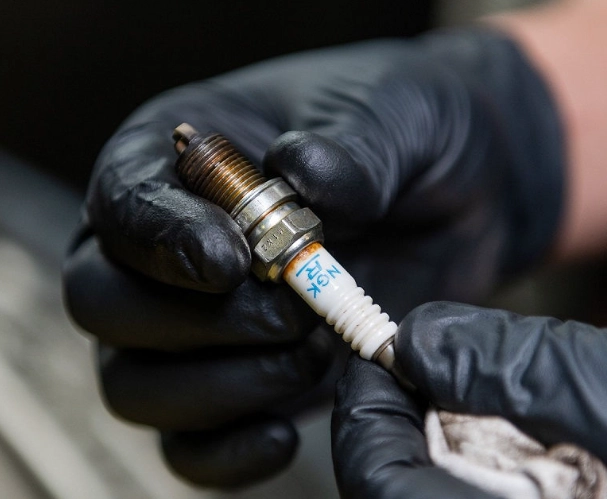
Spark Plug Replacement Cost by Car Model
Let's get specific. Here's a realistic look at what you might pay at an independent shop (not the dealer) for common vehicles. These estimates include standard iridium plugs and labor.
| Car Model (Engine) | Plug Accessibility | Estimated Parts Cost | Estimated Labor Cost | Estimated Total Cost |
|---|---|---|---|---|
| Honda Civic (1.8L I4) | Easy | $40 - $60 | $80 - $120 | $120 - $180 |
| Toyota Camry (2.5L I4) | Easy | $50 - $70 | $80 - $130 | $130 - $200 |
| Ford F-150 (5.0L V8) | Moderate | $70 - $100 | $150 - $220 | $220 - $320 |
| Chevy Malibu (3.6L V6) | Difficult | $80 - $120 | $250 - $400 | $330 - $520 |
| Subaru Outback (2.5L H4) | Very Difficult | $70 - $100 | $300 - $500 | $370 - $600 |
| BMW 3-Series (N20 I4) | Difficult | $100 - $150 | $200 - $350 | $300 - $500 |
The Complete DIY Spark Plug Replacement Guide
This is where you save serious money. For an easy-access engine, the total DIY cost is just the price of plugs ($40-$80) and maybe a $15 socket wrench extension. You're trading money for your time and effort.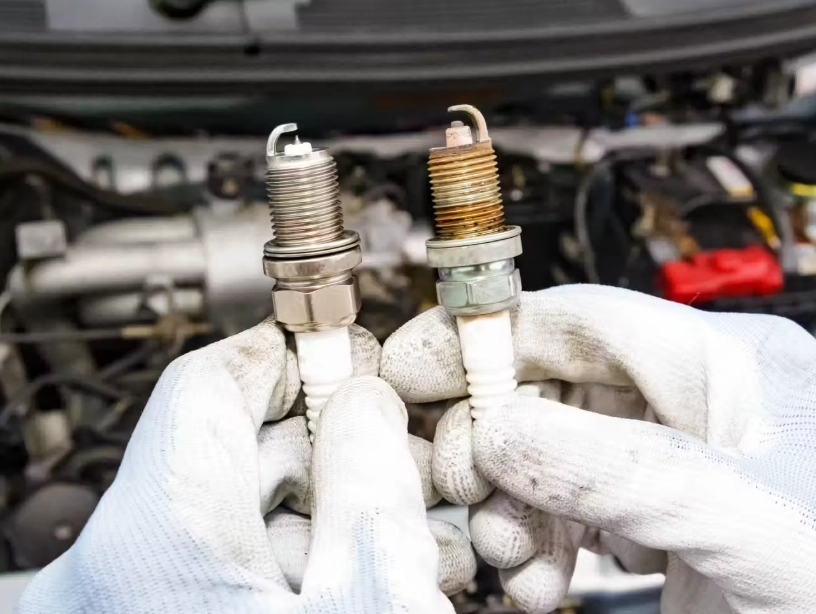
Can You Do It Yourself?
Ask yourself these questions:
- Can you clearly see and easily reach all spark plug wires or coils on top of your engine? (Google "[your car year model] engine bay" to see).
- Do you own a basic socket set, a spark plug socket (usually 5/8" or 13/16"), and a gap tool?
- Are you comfortable following a step-by-step video or guide?
If you answered yes, you can probably do it. The process for most easy jobs is: disconnect battery, remove ignition coil or wire, unscrew old plug, gap new plug, install new plug hand-tight then give a slight turn (usually 1/16th to 1/8th of a turn after the washer seats—never over-tighten!), reattach coil/wire, repeat.
When to Hire a Pro
Pay a professional if:
- Your engine is on the "Difficult" list above (e.g., transverse V6, Subaru, many German cars).
- The plugs are seized or the threads are corroded. Forcing them can break them off in the head.
- You don't have the tools, space, or confidence. A mistake here can cause misfires, engine damage, or leave you stranded.
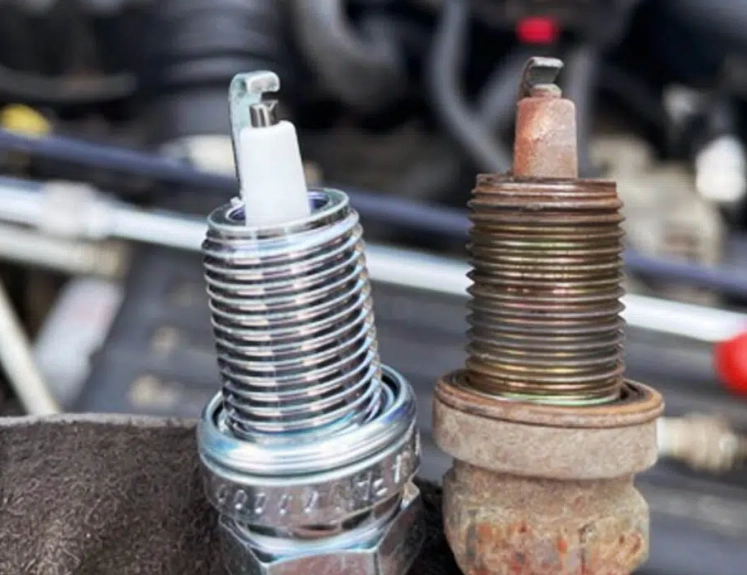
When Should You Actually Replace Them?
Don't just go by mileage. Look for the symptoms. Replacing them early is often a waste of money.
Follow your owner's manual. It's not a suggestion. It's typically 60,000, 100,000, or even 120,000 miles for modern iridium plugs.
Replace if you notice:
- Rough idling or shaking when the car is stopped.
- Poor acceleration and lack of power.
- Higher than usual fuel consumption. The U.S. Department of Energy notes that faulty spark plugs can reduce fuel economy by up to 30%.
- Engine misfires (check engine light blinking, rough running under load).
- Difficulty starting the car.
I once helped a neighbor who complained of bad gas mileage. His truck had 95,000 miles on the original plugs. They were worn to nearly nothing. After the change, he said it felt like a "new truck" and his MPG jumped by 4. He was burning money in extra fuel for months.