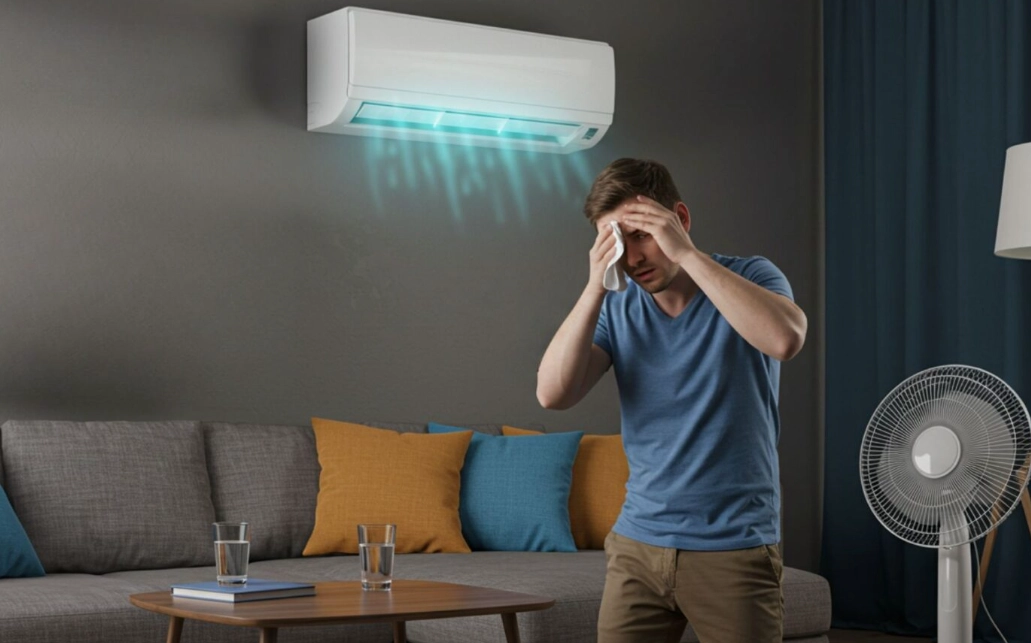
You hear the familiar hum. The fan is blowing air. But the air coming from your vents is lukewarm, or worse, just plain hot. Your air conditioner is running, but it's not doing its one job: cooling your home.
It's frustrating, especially on a sweltering day. Before you panic and assume you need a costly replacement, know this: most of the time, this problem is fixable, and often without a huge expense. I've been in the HVAC field for over a decade, and I can tell you that technicians see the same handful of issues causing this "running but not cooling" scenario week after week.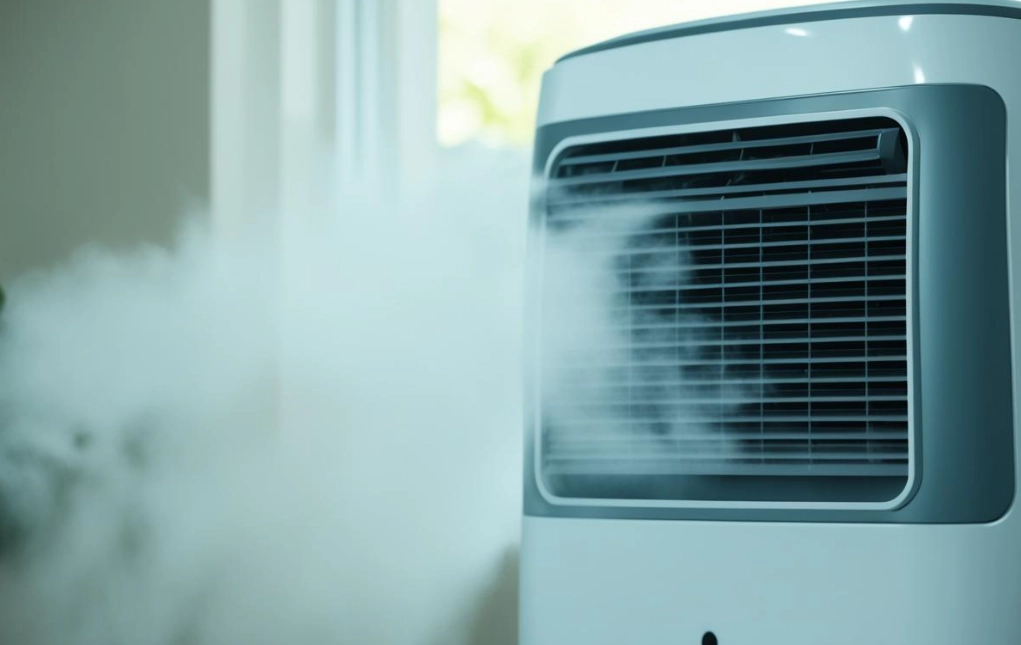
The key is a systematic approach. Jumping to conclusions—like immediately suspecting a dead compressor—can lead you to waste money on the wrong fix.
What's Inside This Guide
- Start Here: The 5-Minute Diagnostic Checklist
- The 6 Most Common Causes (Ranked by Likelihood)
- 1. A Clogged Air Filter (The Silent Killer of Efficiency)
- 2. A Dirty or Blocked Outdoor Condenser Unit
- 3. Refrigerant Problems: Leaks or Low Charge
- 4. A Frozen Evaporator Coil
- 5. A Failed Capacitor (The Most Common Electrical Fault)
- 6. Compressor Failure (The Worst-Case Scenario)
- When to Stop DIY and Call a Professional
- Your Burning AC Questions Answered
Start Here: The 5-Minute Diagnostic Checklist
Don't start taking things apart yet. Run through these quick checks first. You'd be surprised how often the solution is here.
- Check the Thermostat: Is it set to "COOL" and not "FAN" or "HEAT"? Is the temperature setting lower than the current room temperature? It sounds obvious, but you'd be amazed.
- Listen Closely: Go to your outdoor condenser unit. Is the large fan on top spinning? Is the unit making any unusual noises—buzzing, humming, or clicking sounds?
- Feel the Air: Put your hand over a supply vent. Is the air flow weak or strong? Is the air slightly cool but not cold, or is it completely room temperature?
- Inspect the Filter: Locate your indoor air filter. Is it gray and clogged with dust? Can you barely see light through it?
- Look at the Outdoor Unit: Is the condenser coil (the metal fins around the sides) visibly clogged with dirt, leaves, or grass clippings? Is there at least 2 feet of clear space around it?
Got your answers? Good. Now let's match the symptoms to the cause.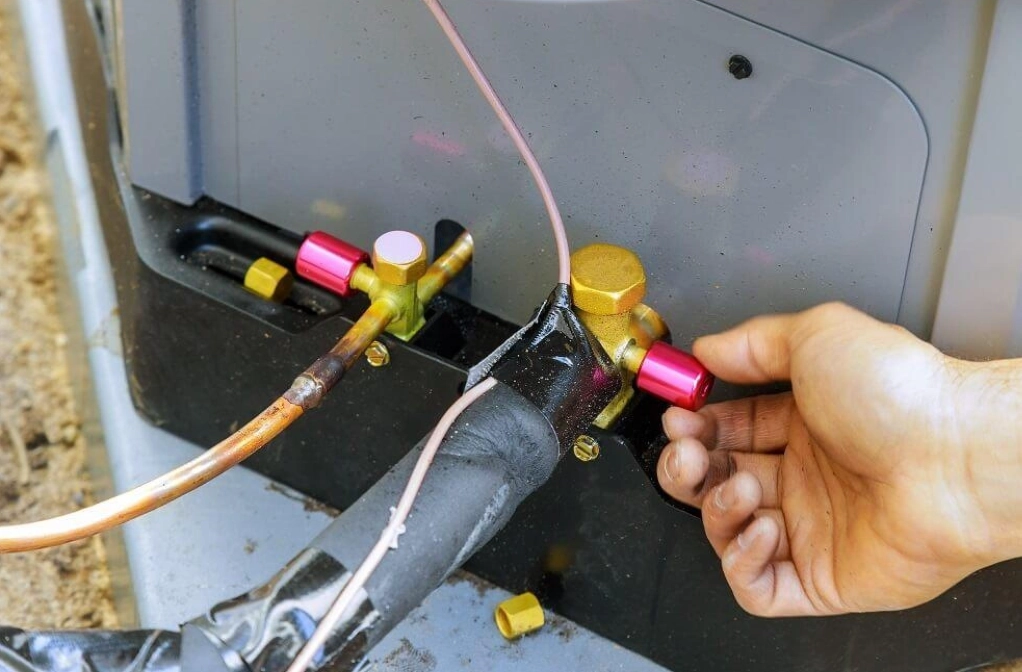
The 6 Most Common Causes (Ranked by Likelihood)
Based on service call frequency, here’s what you’re most likely dealing with. I've also included a rough cost range for repair, so you know what you're in for.
| Cause | Key Symptoms | DIY Friendly? | Estimated Repair Cost Range |
|---|---|---|---|
| 1. Dirty Air Filter | Weak airflow from vents, system runs constantly, ice on indoor pipes. | Yes, very. | $10 - $30 (for filter only) |
| 2. Blocked Condenser Unit | Outdoor fan runs but unit overheats, poor cooling on hot days. | Yes, with care. | $0 - $150 (for cleaning) |
| 3. Refrigerant Leak | Cooling declines slowly over weeks/months, hissing sound possible, ice on copper lines. | No | $200 - $1,500+ |
| 4. Frozen Evaporator Coil | Little to no airflow, ice visible on indoor unit, water leakage. | Partially (thawing) | $100 - $400 |
| 5. Failed Capacitor | Outdoor unit hums but fan doesn't start, or starts then stops. Intermittent cooling. | For experienced DIYers only. | $150 - $400 |
| 6. Compressor Failure | Outdoor unit is silent or has a loud hum/clunk but no cooling. Often the end of a chain of other problems. | No | $1,200 - $2,500+ |
1. A Clogged Air Filter (The Silent Killer of Efficiency)
This is public enemy number one. A dirty filter restricts airflow over the cold evaporator coil inside your air handler. Think of it like trying to breathe through a thick scarf.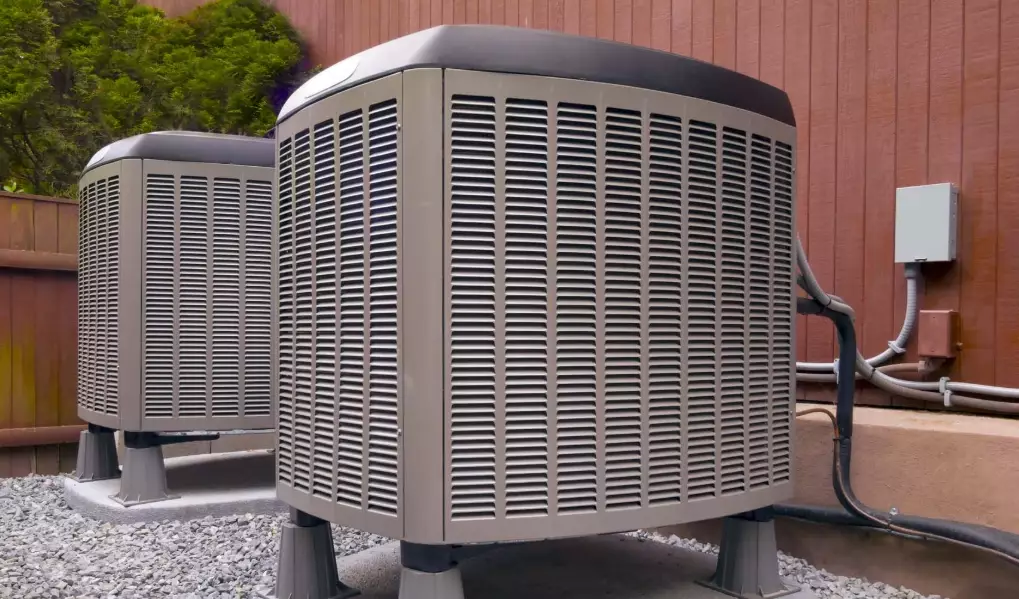
When airflow is restricted, the coil gets too cold. Eventually, the moisture in the air freezes on it, creating an insulating block of ice. Now you have zero airflow and zero cooling.
How to Fix a Dirty Filter Problem
Turn the AC off at the thermostat. Find the filter—usually in a slot on the air handler or in a return air grille on the wall/ceiling. Replace it with a new one of the exact same size. If it's a reusable filter, wash it thoroughly and let it dry completely.
After replacing the filter, turn the fan to "ON" at the thermostat (leave cooling off) for a few hours to let any ice on the coil melt. Then try cooling again.
2. A Dirty or Blocked Outdoor Condenser Unit
The outdoor unit releases the heat absorbed from your house. If its fins are matted with dirt, pollen, or grass, it can't shed that heat. The system overheats, a high-pressure switch trips, and cooling stops—even though the fan might keep running.
How to Clean Your Condenser Unit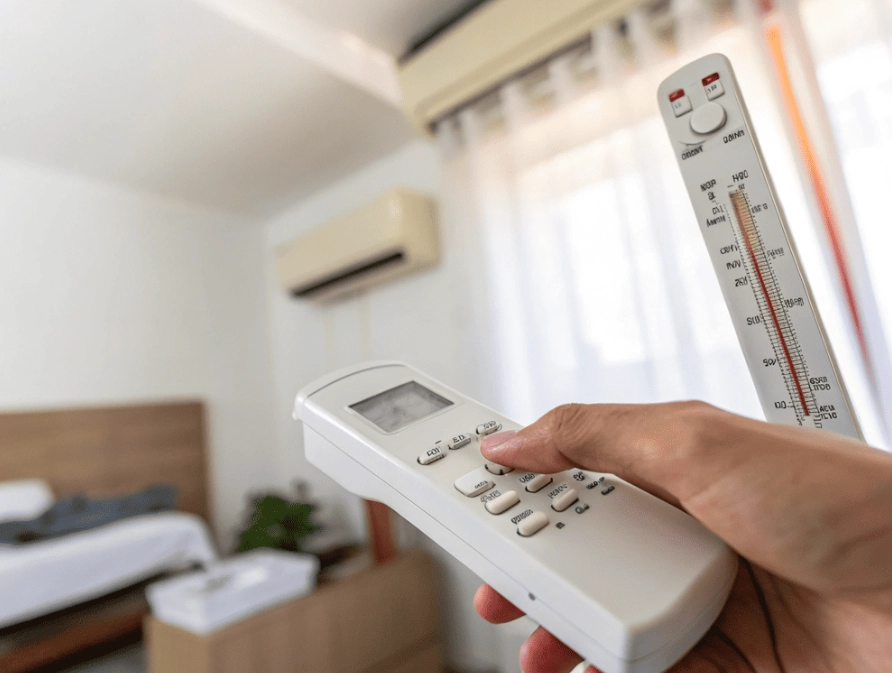
Turn off the power at the outdoor disconnect switch or circuit breaker first. Safety is non-negotiable.
- Remove any debris from around the unit (leaves, weeds, etc.).
- Use a garden hose with a spray nozzle. Spray water through the fins from the inside out to push dirt out. Be gentle—you can bend the delicate fins.
- Straighten any bent fins with a fin comb (a cheap tool from any hardware store).
I see landscapers blow grass clippings directly into condenser units all summer long. A few minutes of preventative cleaning can save a service call.
3. Refrigerant Problems: Leaks or Low Charge
Refrigerant is the lifeblood of your AC. It's a sealed system—it doesn't "use up" refrigerant like gas. If it's low, there's a leak.
Symptoms develop gradually. It cools okay in mild weather but can't keep up on a 95-degree day. You might hear a faint hissing. Often, you'll see ice forming on the large copper refrigerant line (the "suction line") at the outdoor unit or indoor coil.
A technician will need to find the leak, repair it (which could be a simple solder joint or a costly coil replacement), evacuate the system, and recharge it to the manufacturer's exact specification.
4. A Frozen Evaporator Coil
This is usually a symptom of another problem, not the root cause itself. The two main culprits are the ones we just covered: low airflow (dirty filter, failing blower motor) or low refrigerant.
You'll likely notice little or no air coming from the vents. If you open the access panel to your indoor air handler, you might see a block of ice.
What to Do If Your Coil is Frozen
Turn the AC off completely. Switch the thermostat to "FAN ON" to circulate room-temperature air over the coil to melt the ice. This can take several hours. Place towels to catch the meltwater.
Once completely thawed, address the root cause. Replace the filter. If it happens again with a clean filter, you're likely looking at a refrigerant issue or a deeper airflow problem.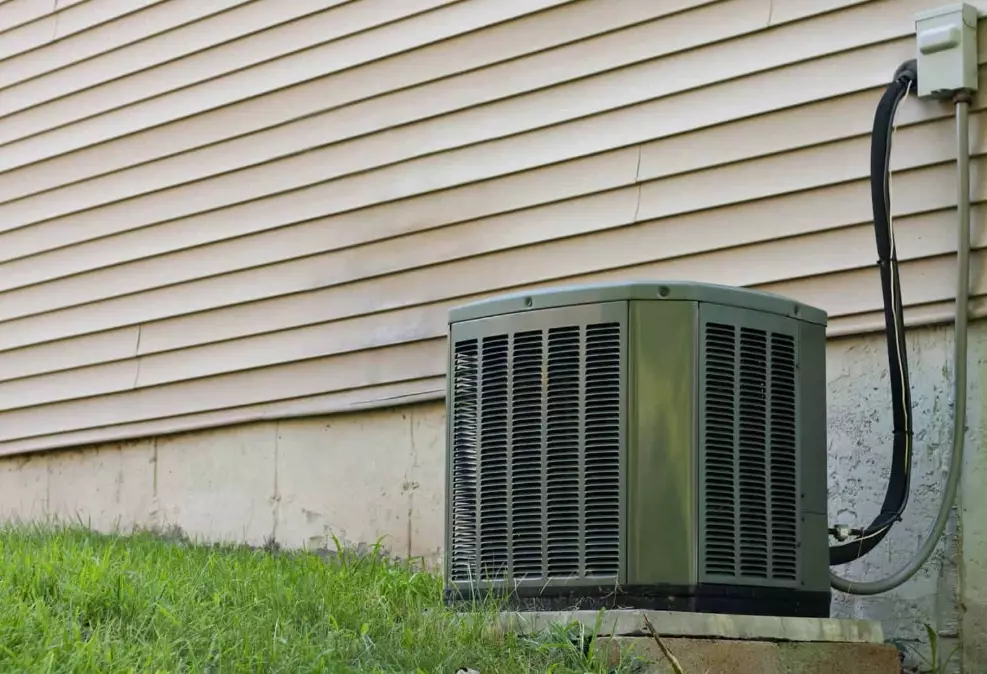
5. A Failed Capacitor (The Most Common Electrical Fault)
Capacitors give motors (the compressor and the condenser fan motor) the extra jolt of electricity they need to start. They weaken and fail over time, especially in heat.
The classic sign: you hear a humming sound from the outdoor unit, but the fan isn't spinning. Sometimes it might try to spin slowly or need a push to start. The compressor might also fail to start, leading to no cooling even if the fan runs.
Capacitors store a dangerous electrical charge. While replacing one is straightforward for someone with electrical experience, I strongly advise most homeowners to call a pro for this. A mistake here can be lethal or can fry your expensive compressor.
6. Compressor Failure (The Worst-Case Scenario)
The compressor is the heart of the system, pumping refrigerant. When it fails, the outdoor unit may be silent, or it may hum loudly or click without starting.
Often, compressor failure is the result of prolonged strain from other issues—like running for years with dirty coils, low refrigerant, or on weak capacitors. Replacing a compressor is labor-intensive and expensive. On an older system (10+ years), it's often more economical to replace the entire outdoor condensing unit or the whole system.
When to Stop DIY and Call a Professional
You've checked the filter and cleaned around the outdoor unit. The problem persists. Here's your line in the sand.
- You suspect a refrigerant leak. This is a hard stop for DIY.
- There are electrical issues (burned smells, tripped breakers, capacitors).
- The compressor or fan motor isn't running and you're not comfortable testing high-voltage components.
- You've thawed a frozen coil twice and it keeps freezing with a clean filter.
- You just don't feel confident. Paying for a service call is cheaper than fixing a mistake you made.
A good HVAC tech will perform a full diagnostic—checking pressures, temperatures, and electrical values—to give you a definitive answer, not just a guess.
Your Burning AC Questions Answered
My AC is blowing cool but not cold air. Is that different from blowing no cold air?
It's a subtle but important clue. "Cool but not cold" often points to an efficiency issue—like a slightly dirty condenser coil, a system that's slightly low on refrigerant, or one that's a bit undersized for a record heatwave. "No cold air" (room temperature or warm) suggests a more complete failure of the cooling cycle, like a non-functioning compressor or a severe refrigerant leak.
How long can I run my AC if it's not cooling properly?
Turn it off as soon as you confirm it's not cooling. Running it with a frozen coil or a failing capacitor puts immense strain on the compressor. You're essentially running the most expensive part of your system while it's trying to self-destruct. The electricity you're wasting is also significant. Let it rest until you diagnose or repair the issue.
 Is it worth repairing an old air conditioner that's not cooling?
The 5,000 rule is a decent back-of-the-napkin guide. Multiply the repair cost by the age of the unit in years. If the result is over $5,000, consider replacement. Example: A $1,000 repair on a 12-year-old unit is $12,000 (1,000 x 12). That's way over $5,000, so replacement is likely smarter. Also, modern systems are significantly more energy efficient. The monthly savings on your electric bill can help justify the investment in a new unit.
Why does my AC work fine in the morning but not in the afternoon?
This is a classic sign of a system struggling with heat load or an efficiency problem. The outdoor temperature peaks in the afternoon. A dirty condenser coil can't reject heat effectively when it's 100°F outside. A system that's slightly low on refrigerant also loses capacity as the outdoor temperature rises. Start with a thorough cleaning of the outdoor unit.
I hear a buzzing sound from the outdoor unit. What does that mean?
A sustained buzz, especially if the fan isn't spinning, almost always points to a bad capacitor. The motor is trying to start but can't get the torque it needs. A buzzing that comes and goes might be a contactor starting to fail. Don't ignore this. A struggling capacitor can overheat and damage the fan motor or compressor it's trying to start.