You're driving along, and something feels off. A hesitation, a strange noise, a smell that wasn't there before. Your gut says "transmission," and your wallet starts to sweat. You're right to be concerned. Spotting the early signs of transmission failure can mean the difference between a manageable repair and a catastrophic, multi-thousand-dollar replacement.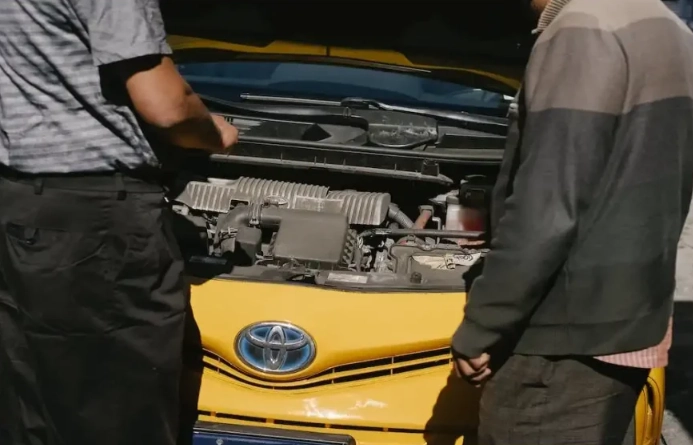
I've been under the hood for over a decade, and I can tell you most drivers miss the subtle hints until it's too late. This guide isn't just a list of symptoms. It's a practical walkthrough of what each sign actually means, how urgent it is, and the real-world decisions you'll face.
What You'll Find in This Guide
The 7 Most Common Bad Transmission Symptoms
Transmissions don't usually fail overnight. They send distress signals. Here are the ones you need to listen for, ranked by how obvious and concerning they are.
1. Delayed Engagement or "Slipping" Gears
This is a classic. You shift from Park to Drive (or Reverse), and there's a pause—a second, two seconds—before the car actually moves. You press the gas and the engine revs high, but the car accelerates sluggishly, as if it's momentarily in neutral. That's a slipping clutch or band inside the transmission.
What it feels like: The RPMs jump, but your speed doesn't match. It's like trying to walk on ice.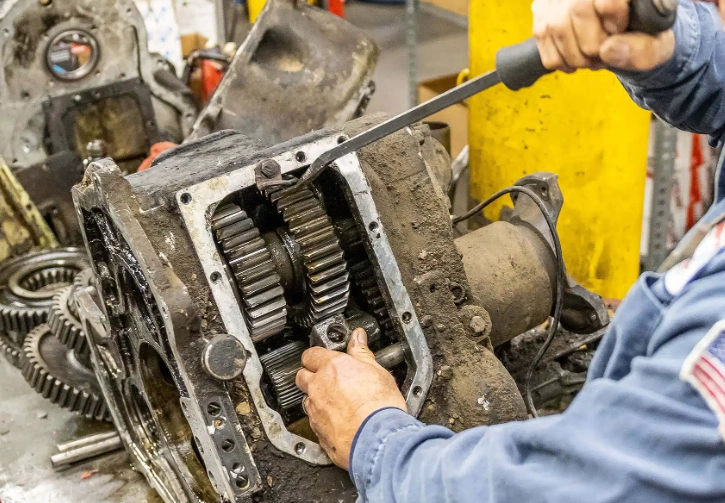
2. Rough Shifting or Jerking
Instead of smooth, barely noticeable gear changes, you feel a clunk, a bang, or a harsh jerk. It might happen during a specific shift, like 2nd to 3rd gear. This is often related to pressure problems inside the valve body or worn internal components.
I had a customer once who thought his truck just had a "sporty" feel. It was actually beating itself to death with every shift.
3. Unusual Noises
Sounds are critical clues. The context tells you everything.
- In Neutral: A whining, humming, or buzzing sound could point to a failing torque converter or low fluid.
- While Shifting: A clunk, bang, or grinding noise is a serious mechanical problem.
- A constant whine that changes pitch with speed might be a bearing on its way out.
Honestly, this noise will make you tense up immediately. Don't ignore it.
4. The Dreaded "Check Engine" Light (with Transmission Codes)
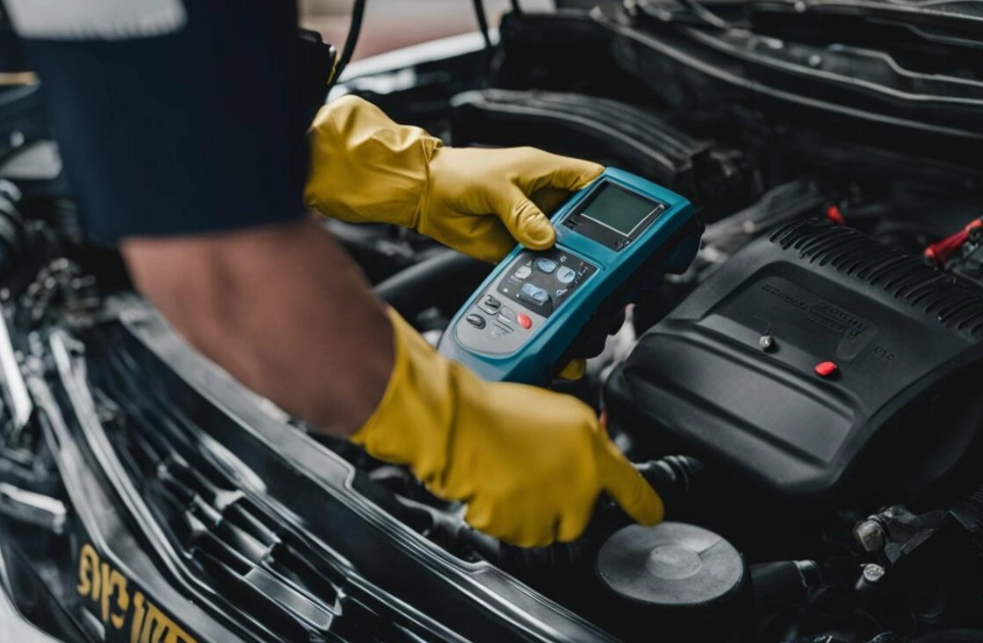
The check engine light is a generic alarm. For transmission issues, it's often accompanied by specific diagnostic trouble codes (DTCs) like P0700 (Transmission Control System) or more specific ones like P0730 (Incorrect Gear Ratio). A basic code reader from an auto parts store can often pull these.
Don't just reset the light and hope. The code is a direct message from the car's computer.
5. Burning Smell
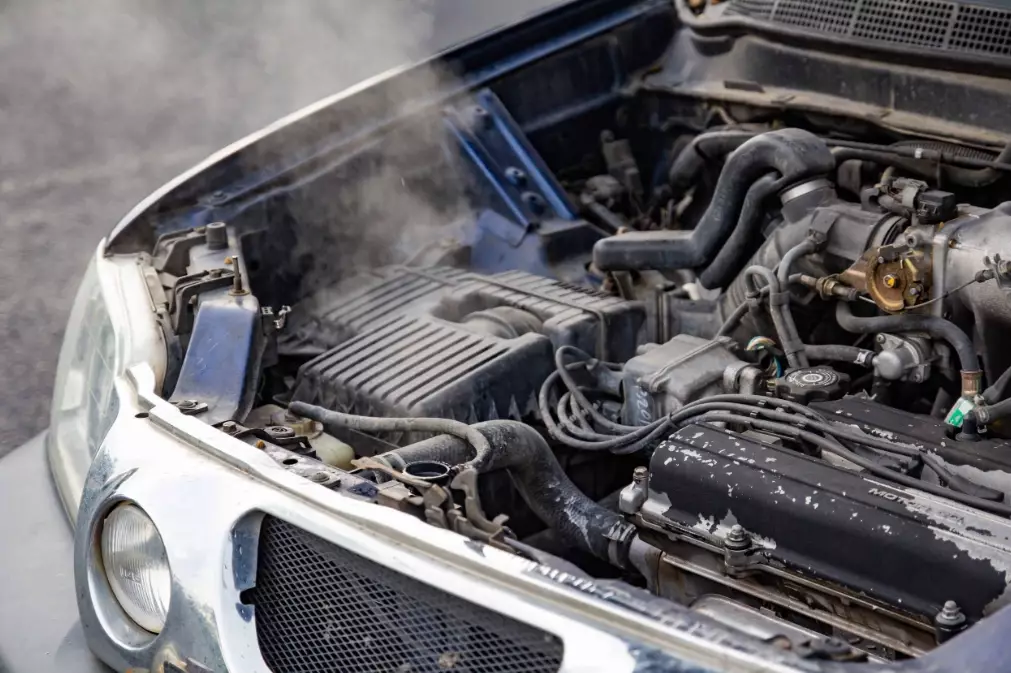
Transmission fluid is designed to operate at high temperatures, but it can burn if it gets too hot. A distinct, acrid, burnt-oil smell—especially after hard driving or towing—is a major warning. Overheating is one of the fastest ways to destroy a transmission, cooking the clutches and seals.
If you smell this, pull over safely when you can and let things cool down. Driving further is a gamble.
6. Leaking Fluid
Look for a puddle where you park. Fresh transmission fluid is usually bright red and slick. As it ages, it turns darker brownish-red. A leak means the system is losing pressure and lubrication. Common leak points are the pan gasket, cooler lines, or the front seal.
7. The Car Won't Go Into Gear
This is the final-stage symptom. You turn the key, shift into Drive or Reverse, and nothing happens. The engine runs fine, but the car acts like it's still in Park. This could be a complete mechanical failure, a severe hydraulic pressure loss, or a failed shift solenoid.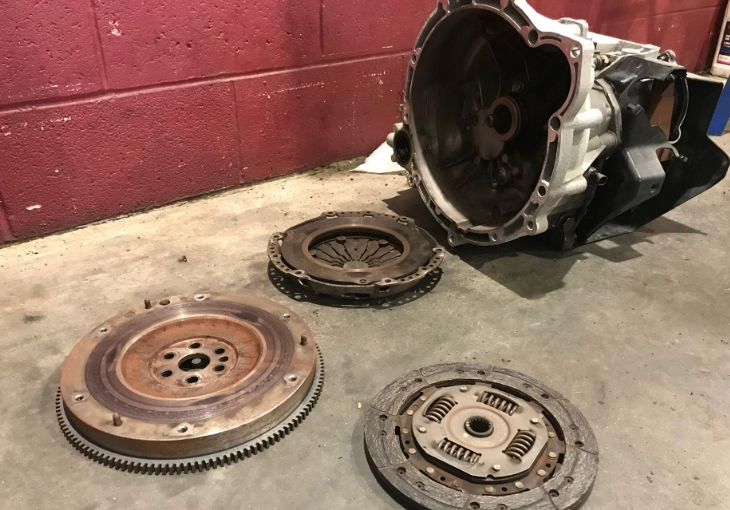
At this point, you're not diagnosing a problem; you're arranging a tow truck.
Understanding the Severity of Your Transmission Issues
Not every sign means you need a new transmission tomorrow. Here's a practical way to think about urgency.
| Symptom | Likely Cause | Severity & Urgency |
|---|---|---|
| Delayed Shifts (mild, occasional) | Low/old fluid, minor valve body issue | Moderate. Schedule a professional check soon. Could be a simple fix. |
| Rough Shifting / Jerking | Internal wear, pressure problems, solenoid issues | High. This is causing damage with every drive. Get it checked within days. |
| Burning Smell | Severe overheating, fluid breakdown | Critical. Stop driving if possible. Immediate inspection needed. |
| Fluid Leak (active drip) | Failed seal or gasket | High. Driving with low fluid is destructive. Find and fix the leak. |
| Noise in Neutral | Torque converter, pump failure | Moderate to High. Don't ignore it. Diagnosis is key to prevent worse failure. |
| Car Won't Move | Major internal failure | Critical. The transmission has likely failed. Requires major repair/replacement. |
One piece of advice I give everyone: The cost of a diagnostic fee ($100-$150) is trivial compared to the cost of guessing wrong and ruining your transmission. A good shop will check the fluid level and condition first—that's Transmission 101.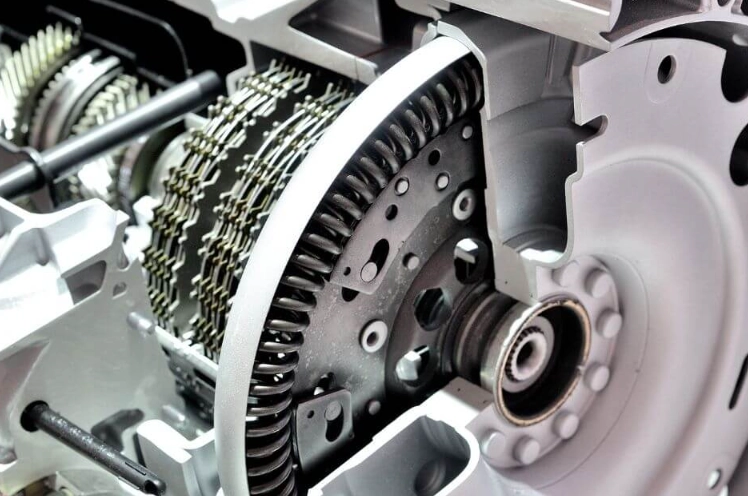
What to Do If You Suspect Transmission Problems
Okay, you've noticed a sign. Now what? Here's a step-by-step action plan.
Step 1: The Initial Self-Check (Safe & Simple)
Check the fluid. With the engine warm and running, on a level surface, pull the transmission dipstick (if your car has one—many newer models don't). Wipe it, re-insert, and pull it again. Look at two things:
- Level: Is it in the "Full" range?
- Condition: Is it bright red and translucent, or dark brown/black and smelly? Burnt-smelling, dark fluid is a bad sign, even if the level is okay. It means the fluid is degraded and not protecting the internals.
Refer to your owner's manual for the exact procedure and fluid specification. Using the wrong fluid can cause damage.
Step 2: Seek Professional Diagnosis
This is non-negotiable. A reputable transmission shop or your trusted mechanic will:
- Perform a road test to feel the issue.
- Hook up a professional scan tool to read transmission-specific codes.
- Conduct a hydraulic pressure test (if needed) to check internal pump and valve function.
Be wary of any shop that gives you a quote over the phone without looking at the car. They're guessing.
Step 3: Weighing Your Repair Options
The diagnosis will lead to one of three paths:
1. Minor Repair/Service: Things like a fluid and filter change, replacing an external solenoid, or fixing a leaky seal. This can often solve early-stage issues and is relatively affordable ($200-$600).
2. Overhaul (Rebuild): The transmission is removed, disassembled, worn parts replaced, and reassembled. This is the most common major repair for a failed unit. Prices vary wildly ($2,500 - $5,500+) based on the vehicle.
3. Replacement: Swapping in a new or used/remanufactured transmission. A used unit is cheaper upfront but a gamble. A quality remanufactured unit often comes with the best warranty.
Ask for a detailed, line-item estimate. A good shop will explain why each part needs replacement.