Yes, you can replace spark plugs yourself, and it's one of the most rewarding DIY car maintenance tasks. I've been tinkering with engines for over a decade, and I've seen countless beginners save hundreds of dollars by doing this simple job. But it's not just about saving cash—it's about understanding your car and avoiding common mistakes that even some pros make. Let's cut to the chase: if you have basic tools and patience, you can handle it. This guide will walk you through everything, from tools to torque specs, based on real-world experience.
Jump to What Matters
Why Consider Replacing Spark Plugs Yourself?
Most people ask this question because they're tired of high mechanic bills. A spark plug replacement at a shop can cost $150 to $300, depending on your car. The plugs themselves? Maybe $20 to $50 for a set. That's a huge markup for labor that often takes less than an hour.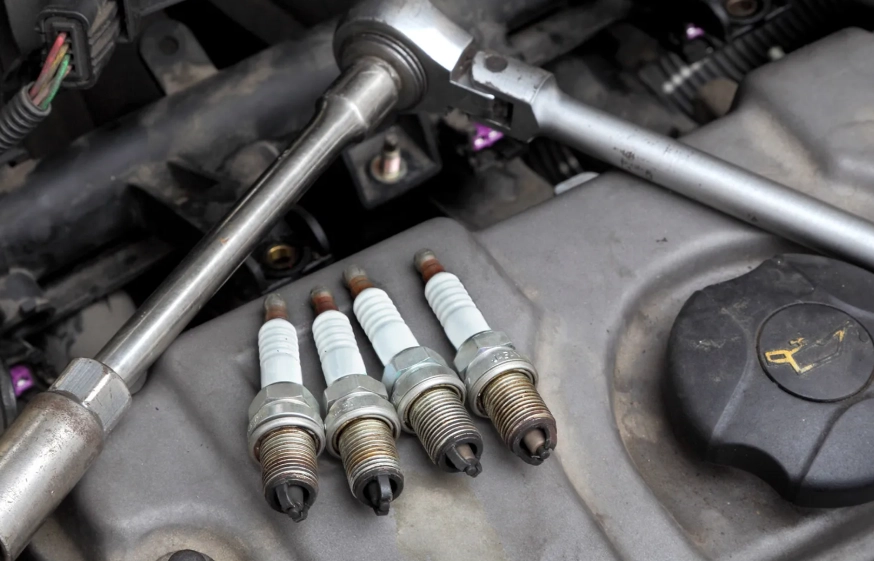
But there's more to it. When you do it yourself, you learn about your engine's condition. I once found a cracked ignition coil while changing plugs on my old Honda—something a quick shop visit might have missed. It saved me from a bigger repair down the line.
Here's the breakdown: if your car is running rough, has poor fuel economy, or struggles to start, bad spark plugs could be the culprit. Replacing them can restore performance and even improve gas mileage by up to 30%, according to the U.S. Department of Energy's maintenance tips. That's real savings over time.
The Satisfaction Factor
There's a pride in fixing your own car. I remember my first DIY spark plug job—I was nervous, but after finishing, the engine purred like new. It's a confidence booster that spills over into other repairs.
Tools You'll Need for Spark Plug Replacement
You don't need a fancy garage. Here's the essential toolkit. I've listed items based on what I actually use, not just a generic list.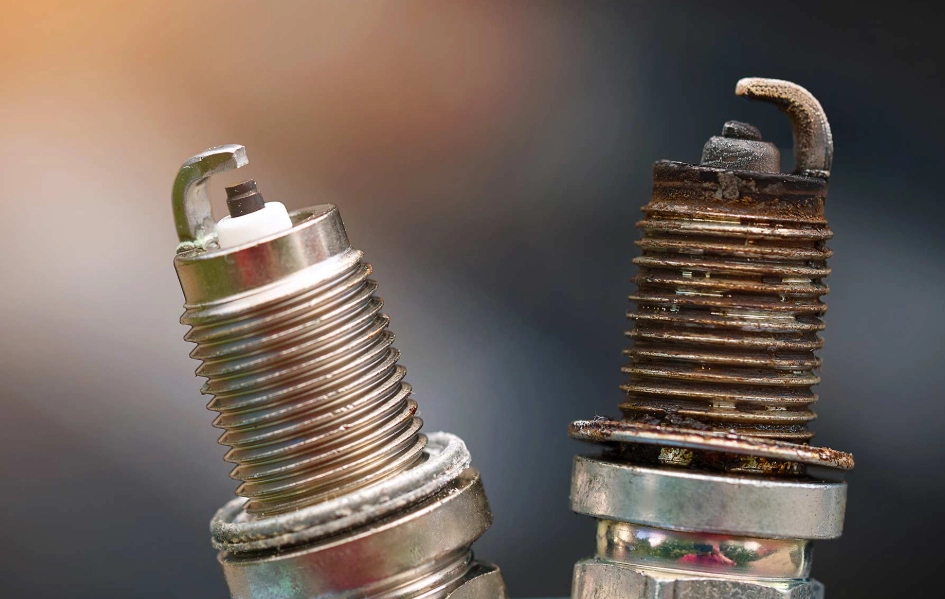
| Tool | Purpose | Approximate Cost |
|---|---|---|
| Spark plug socket | Fits snugly around the plug to remove and install | $10-$20 |
| Ratchet and extensions | Provides leverage to turn the socket | $15-$30 |
| Torque wrench | Ensures proper tightness—critical to avoid damage | $40-$100 |
| Gap tool | Checks and adjusts the spark plug gap if needed | $5-$10 |
| Dielectric grease | Prevents corrosion on the ignition coil boot | $5 |
| Compressed air or brush | Cleans debris from the spark plug wells | $10-$20 |
Skip the torque wrench, and you risk stripping threads or cracking the plug. I learned that the hard way on a Ford engine—cost me $200 to fix. Don't be that person.
For most cars, you'll also need a socket set that matches your spark plug size (usually 5/8" or 13/16"). Check your owner's manual or an online resource like the National Institute for Automotive Service Excellence (ASE) for specifics.
Step-by-Step Guide to Replacing Spark Plugs
This isn't a one-size-fits-all process, but I'll outline the universal steps. Assume your engine is cool and you're working in a well-lit area.
Preparation and Safety
First, disconnect the battery. Negative terminal first. It takes two minutes and prevents accidental shocks or short circuits. I've seen folks skip this and fry an ignition module—not worth it.
Locate the spark plugs. Inline-four engines are easy; V6 or V8 models might have plugs hidden under intake manifolds. Refer to your repair manual. If you don't have one, websites like AllData or Mitchell1 offer paid access, but for DIYers, free forums often have diagrams.
Removing Old Spark Plugs
Remove the ignition coils or spark plug wires. Use a gentle twisting motion. If they're stuck, a specialized coil puller helps, but I've used a flathead screwdriver carefully. Blow out any dirt around the plugs with compressed air. Debris falling into the cylinder can cause serious damage.
Use the spark plug socket and ratchet to loosen each plug. Turn counterclockwise. If it's tight, apply steady pressure—don't jerk. Once loose, unscrew by hand and inspect the old plug. A worn electrode or oil fouling tells a story about engine health.
Installing New Spark Plugs
Check the gap on the new plugs. Most come pre-gapped, but verify with the gap tool. Your manual specifies the gap; for example, many modern cars use 0.040 to 0.060 inches.
Apply a tiny dab of dielectric grease to the inside of the ignition coil boot. This prevents moisture and ensures good contact. Hand-thread each plug into the hole. If it doesn't spin easily, stop—you might be cross-threading. Start over.
Tighten with the torque wrench to the manufacturer's spec. Typically, it's 15-20 ft-lbs for most cars, but always check. Over-tightening is a common rookie mistake that leads to cracked plugs or damaged threads.
Final Checks
Reinstall the coils or wires, reconnect the battery, and start the engine. Listen for smooth idle. If it misfires, double-check connections. Take a short test drive to ensure everything runs normally.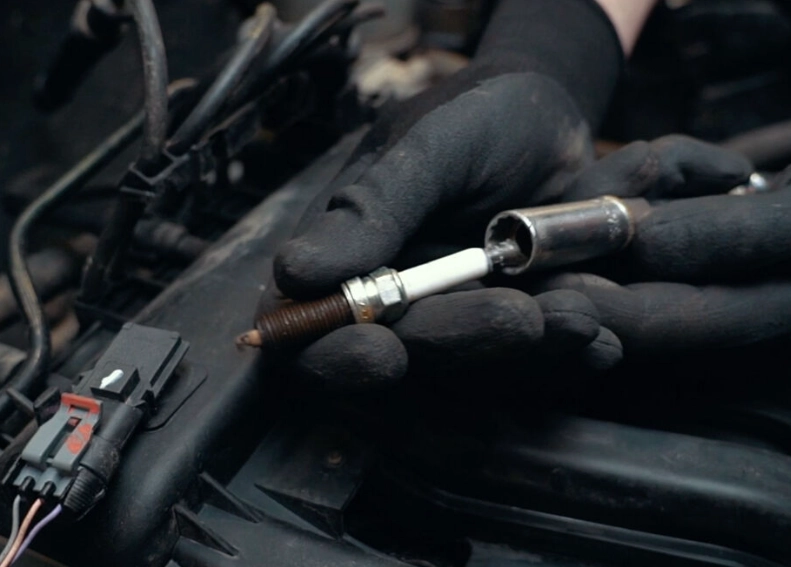
Pro tip: Replace spark plugs in sets, even if only one seems bad. Mismatched wear can cause uneven combustion. I did a partial replacement once on an old Toyota, and the engine ran worse until I swapped all four.
Common Mistakes and How to Avoid Them
After helping dozens of friends, I've seen patterns. Here are the top blunders.
Using the wrong socket: A regular deep socket can crack the ceramic insulator. Spark plug sockets have a rubber insert to grip the plug securely. Invest in one.
Ignoring torque specs: Guessing the tightness is a gamble. Too loose, and the plug can blow out; too tight, and you'll need a helicoil repair. A torque wrench is non-negotiable for me.
Forgetting to gap plugs: Even if they're pre-gapped, variations happen. A misgapped plug causes poor combustion and wasted fuel. Check every time.
Not labeling wires: On older cars with distributor systems, mixing up wires leads to misfires. Label them with tape before removal.
One time, a buddy reused old plugs to save money. The car barely started. New plugs are cheap—don't skimp.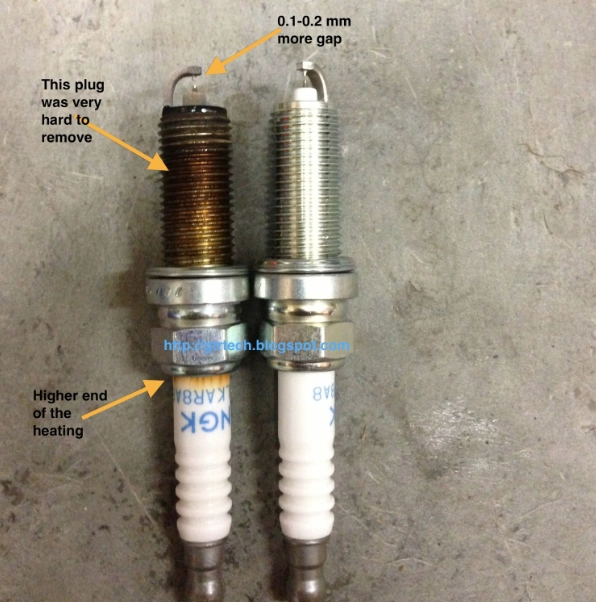
When to Call a Professional
DIY isn't for every situation. If your engine has deep-seated plugs, like in some Subarus or transverse V6s, access is a nightmare. You might need to remove half the engine bay. I attempted it on a Chrysler minivan and gave up after three hours of frustration.
Also, if you encounter stripped threads or broken plugs, it's best to let a pro handle it. They have tools like thread repair kits that can save the engine block. I've seen DIY attempts turn $50 jobs into $500 repairs.
Signs to call a mechanic: persistent misfires after replacement, oil in the spark plug wells (indicating valve cover gasket issues), or if you lack confidence. There's no shame in it—safety first.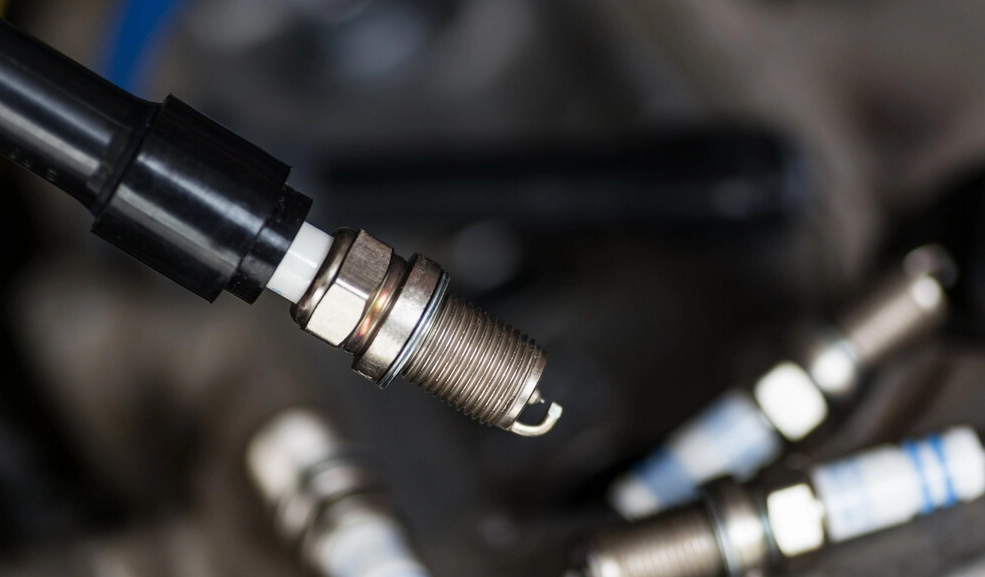
Frequently Asked Questions
Replacing spark plugs yourself is a practical skill that saves money and builds confidence. With the right tools and attention to detail, you can tackle it in an afternoon. Start with a simple four-cylinder engine, follow this guide, and you'll be surprised how straightforward it is. If you hit a snag, online communities like Reddit's r/MechanicAdvice offer real-time help. Happy wrenching!