That temperature gauge creeping into the red, or worse, a dashboard warning light flashing – it's a gut punch. Engine overheating isn't just an inconvenience; it's a direct threat to your wallet. The repair cost isn't a single number. It's a wide range, from a manageable $100 to a catastrophic $2,000+, entirely dependent on what broke, how long you drove it hot, and who fixes it. I've seen people panic and agree to the first quote, only to find out later a $20 part could have saved them $800. Let's cut through the anxiety and get specific.
What's Inside: Your Quick Repair Roadmap
Engine Overheating Repair Cost Breakdown
Forget the "average" cost. It's meaningless. Your bill depends on the specific failed component and the labor to access it. Here’s a detailed table based on common repairs, using a mix of aftermarket and OEM parts, and average independent shop labor rates ($90-$150/hour). Dealerships will be 30-50% higher.
| Failed Component | Typical Parts Cost Range | Typical Labor Cost Range | Total Repair Estimate | Critical Note |
|---|---|---|---|---|
| Thermostat | $20 - $80 | $100 - $250 | $120 - $330 | Often the first suspect. Location (easy vs. buried) drastically changes labor. |
| Coolant Temperature Sensor | $30 - $100 | $80 - $150 | $110 - $250 | Can cause false overheating readings. Cheap part, sometimes tricky spot. |
| Radiator Cap | $10 - $30 | Minimal (often DIY) | $10 - $30 | The cheapest fix. A weak cap lowers the coolant boiling point. |
| Water Pump | $100 - $400 | $300 - $900 | $400 - $1,300 | Labor is high if driven by timing belt. Always replace belt/tensioner simultaneously. |
| Radiator (Replacement) | $150 - $500 | $200 - $400 | $350 - $900 | Cost jumps for luxury cars or models requiring bumper removal. |
| Head Gasket | $200 - $500 | $1,200 - $2,500+ | $1,500 - $3,000+ | The nightmare scenario. Labor involves disassembling the top half of the engine. |
How to Diagnose the Problem (Before the Shop)
Walking into a shop and just saying "it's overheating" puts you at a disadvantage. A little self-diagnosis arms you with information. Never open a hot radiator cap. Wait until the engine is completely cool.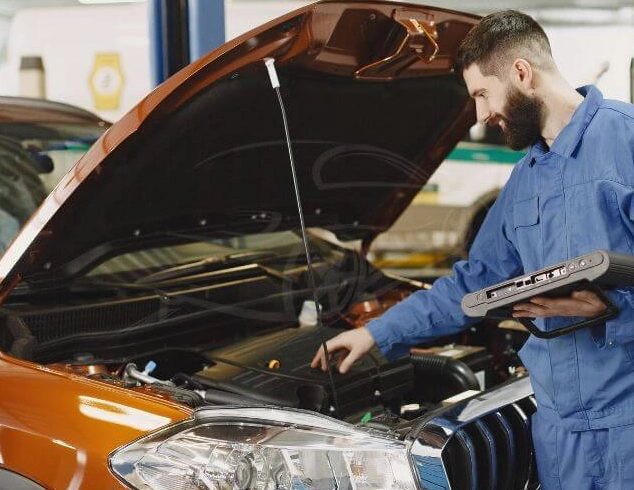
Visual Inspection (Cool Engine)
Look for obvious leaks. Green, orange, or pink puddles under the car. Check the radiator hoses – are they bulging, cracked, or soft? Inspect the radiator fins for debris (bugs, leaves). A clogged radiator can't dissipate heat.
Check the Coolant Reservoir
Is it empty? Is the coolant a milky brown or has oily film? Milky coolant often indicates a failing head gasket letting oil into the cooling system. This is a red flag.
Listen and Feel
With the engine cool, start it and let it idle. As it warms up, feel the upper radiator hose. It should stay cool until the engine reaches operating temperature, then get hot quickly as the thermostat opens. If it gets hot immediately, the thermostat is stuck open. If it never gets hot, the thermostat is stuck closed (a direct cause of overheating). Listen for gurgling sounds from the dash – that's air in the system, often from a leak or a bad bleed job.
DIY vs. Professional Repair: A Realistic Look
Can you fix it yourself? Maybe. But be brutally honest about your skill level and tools. A mistake here can lead to a destroyed engine.
Good DIY Candidates: Coolant flush and refill, radiator cap replacement, some thermostat jobs (if easily accessible), replacing a leaky hose. These require basic hand tools, a catch pan, and the correct coolant type (mixing colors can cause gel). The Car Care Council emphasizes the importance of using the manufacturer-specified coolant.
Leave it to the Pros: Water pump replacement (especially timing belt-driven), radiator replacement on complex front-end assemblies, any diagnosis involving internal engine issues (head gasket), and anything involving the cooling fan electrical system. The labor savings aren't worth the risk if you're unsure. A professional shop will also perform a cooling system pressure test – a crucial step DIYers often skip that finds tiny leaks.
I once tried to save money on my old truck by doing a water pump myself. I got the pump on, but didn't realize the gasket had shifted. It leaked slowly, I didn't notice, and it overheated on the highway, leading to a head gasket failure. That $150 DIY attempt turned into a $1,800 lesson.
How to Save Money on Overheating Repairs
The biggest save is preventing the overheat in the first place. Follow the maintenance schedule for coolant flushes (usually every 5 years/60,000 miles). Check coolant levels monthly when the engine is cold.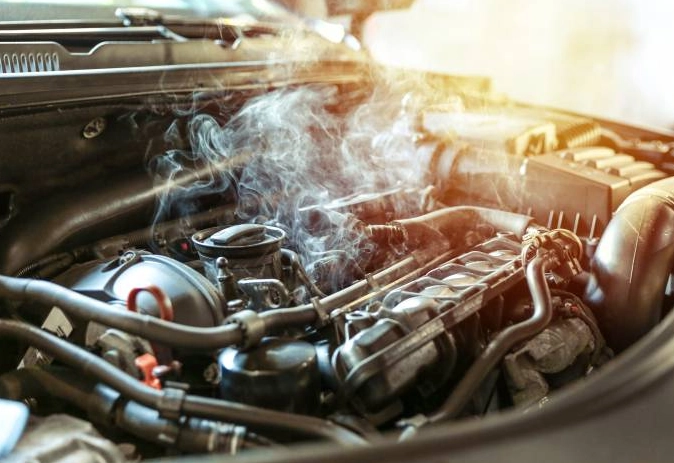
If you're facing a repair:
- Get Multiple Quotes: Not just the price, but a written estimate listing parts (brand) and labor hours. A quote for a "water pump job" should include the cost of coolant and any associated belts.
- Ask About Remanufactured vs. New: For components like water pumps or radiators, a quality remanufactured part can be 30% cheaper than new OEM and often carries a good warranty.
- Bundle Related Repairs: If your water pump is driven by the timing belt and the belt is due for replacement soon, doing both at once saves massive labor costs. The belt labor is already 90% of the job.
- Consider an Independent Shop: Dealerships have higher overhead. A reputable independent mechanic certified by the ASE (National Institute for Automotive Service Excellence) can often do the same job for less.